
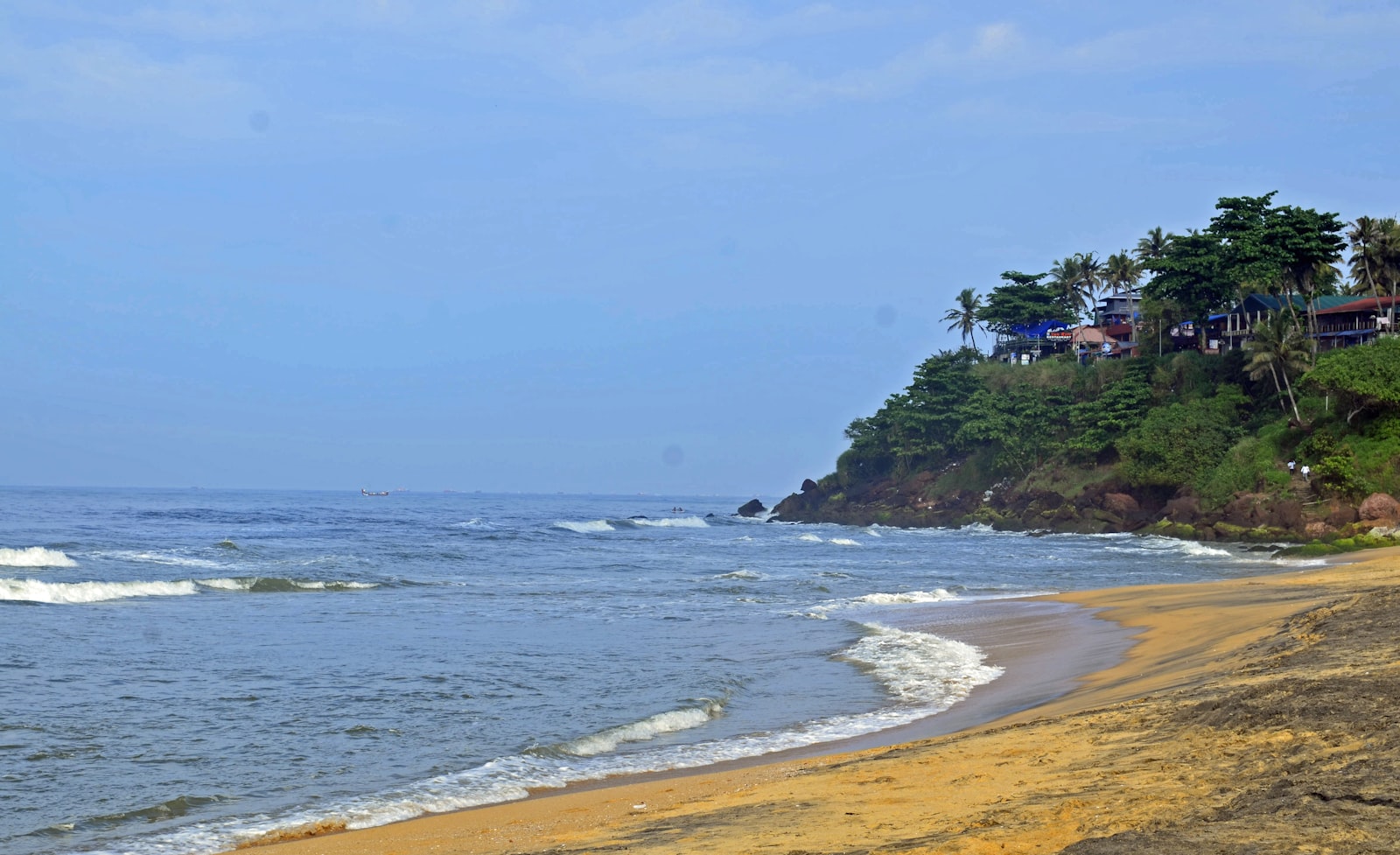
Top 10 Beaches Near Mangalore: A Real Estate Lifestyle Guide

Quick answer: The beaches near Mangalore, including Panambur, Someshwara, Tannirbhavi and Bengre, are a lifestyle factor for buyers considering the city rather than a direct investment driver. Coastal proximity adds appeal for retirees and remote workers, but any land near the coast itself should be checked for CRZ classification before assuming construction is permitted.
Published: 28 July 2026 | Updated on: 28 July 2026 | By L K Monu Borkala, CEO & Founder, OneCity Property - 15 years of property consultancy experience and over 20 years in marketing and management at OneCity Technologies Pvt. Ltd.
Mangalore's coastline is one of its clearest lifestyle differentiators, and the city sits within reach of well over a dozen public beaches, from developed, water-sports-heavy stretches near the port to quiet river-mouth spots most visitors never find. For buyers weighing coastal or sea-facing property in Mangalore, knowing which beach sits closest to which locality is a practical, checkable factor, not just a tourism footnote. This guide covers the ten beaches most commonly cited across independent travel sources, with real distances, what each one actually offers, and how a couple connect directly to projects we track.
Panambur Beach: The City's Most Developed Coastal Destination
Panambur Beach sits roughly 9 to 13 kilometres north of central Mangalore, near the New Mangalore Port Trust, with sources giving slightly different figures depending on the starting point used. Regarded by most travel sources as the cleanest and most well-maintained beach in the city, it draws the largest crowds among Mangalore's coastal spots and offers a genuine range of water sports, including jet skiing, parasailing, and banana boat rides, alongside food stalls and camel or horse rides along the shore. Panambur also hosts periodic beach carnivals and cultural events through the local district administration, and sits close enough to Mangalore International Airport, roughly 13 kilometres away, that visitors with a few spare hours before a flight commonly stop here. It is widely cited among visitor accounts as one of the best sunset spots in the city, with the sky turning shades of orange and pink most evenings.
Tannirbhavi Beach: The Quieter Alternative
Tannirbhavi Beach, roughly 10 kilometres from the city centre, is consistently described as Mangalore's least crowded major beach, offering a calmer alternative to Panambur. It sits at the point where the Gurupura river meets the Arabian Sea, and can be reached either by road near Kuloor bridge or by a historic ferry crossing from Sultan Battery, a watchtower dating to Tipu Sultan's era. Adjacent to the beach, the Karnataka Forest Department maintains a roughly 15-hectare tree park with Western Ghats species and medicinal plants. The stretch is popular with couples and families looking for a slower pace than Panambur offers, alongside a food court, a cultural area and a beach volleyball court. 
Someshwara Beach: A Rocky, Historic Coastline
Someshwara Beach, in Ullal, carries a distinct rocky character, with large boulders known locally as Rudra Shile setting it apart from Mangalore's more typical sandy stretches. Distance figures vary noticeably by source, from as little as 9 kilometres to as much as 17 kilometres from central Mangalore, so it is worth confirming the route from your own starting point rather than relying on a single number. The beach sits beside the centuries-old Someshwara Temple, close to where the Netravati river meets the sea, and the stretch is often referred to locally as the Ullal-Someshwar beach corridor, described in more detail on the Karnataka Tourismsite. A short climb up the adjoining Ottinene hillock gives a wider view of the Netravati river merging into the sea, framed by mangroves. Strong currents and sharp rocks make swimming inadvisable here, but it is particularly known for sunrise views, a distinct draw from the sunset positioning of Panambur and Tannirbhavi. 
Surathkal Beach: A Direct Connection to a Project We Track
Surathkal Beach sits roughly 12 to 16 kilometres north of the city centre depending on the source, and hosts the National Institute of Technology Karnataka (NITK) directly on its shoreline, which is why locals also call it NITK Beach. This is directly relevant to our tracked Rohan Marina Oneproject, located on NITK Beach Road in Surathkal. A lighthouse stands near the shore beside a centuries-old Sadashiva Ganapathi temple on a rocky outcrop. Surathkal railway station sits barely 1.5 kilometres away, making the beach an easy stop for anyone arriving by train rather than road, and the location draws a genuine mix of local fishing activity alongside recreational visitors and NITK students. 
Sasihithlu Beach: The Less-Crowded Northern Option
Sasihithlu Beach sits further north, roughly 20 to 25 kilometres from central Mangalore depending on the source, at the point where the Nandini and Shambhavi rivers meet the Arabian Sea. Its distance makes it a less practical daily-use amenity for most Mangalore residents, though it is consistently ranked among the cleanest and least crowded beaches in the area. The surrounding coastal stretch is also known among local birdwatchers for its variety of shorebird species, an added draw beyond the beach itself, and remains a reasonable weekend destination for those with their own vehicle. 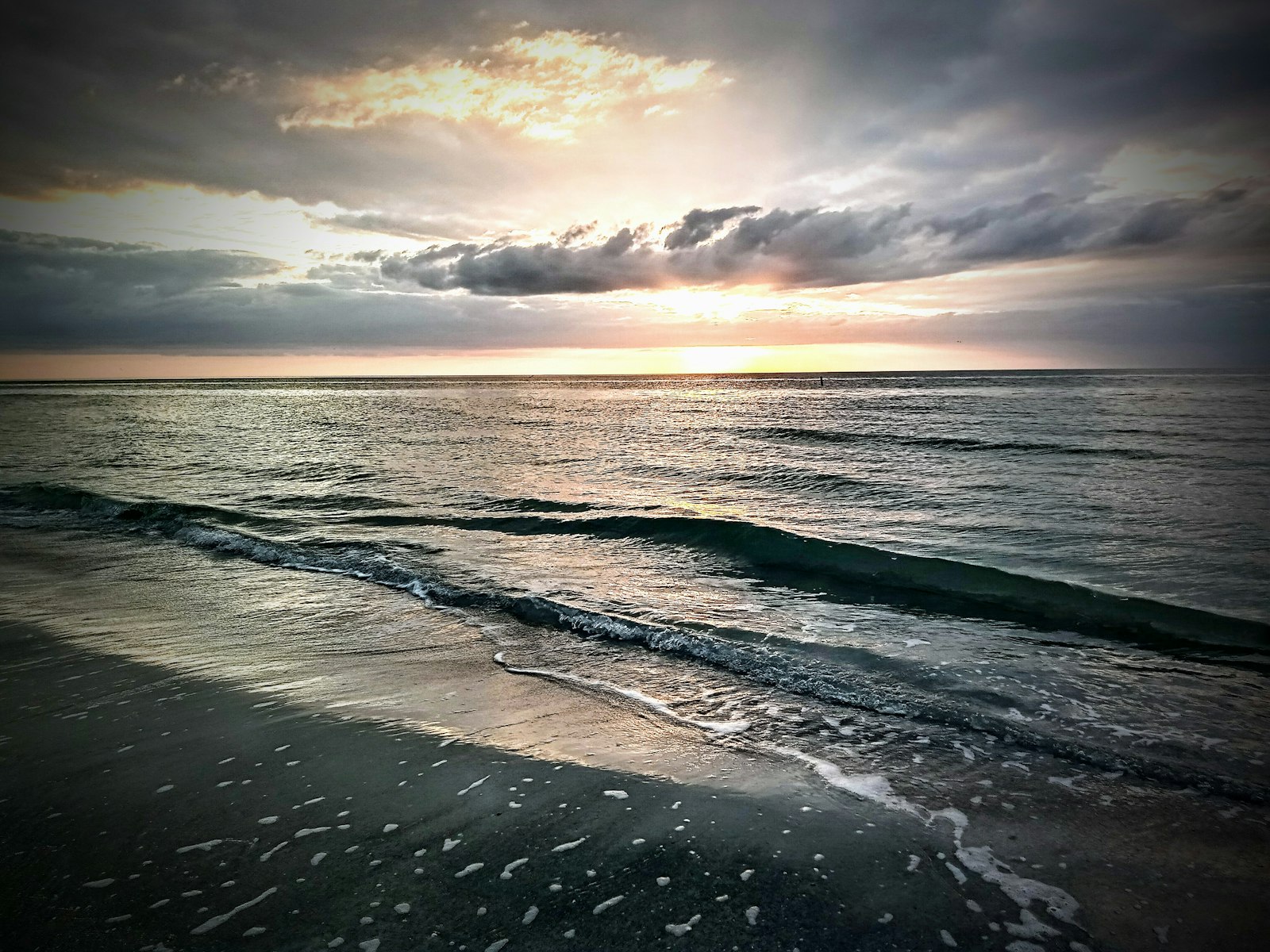
Chitrapura Beach: A Quiet Stretch in Kulai
Chitrapura Beach, in Kulai, sits roughly 10 kilometres from the city and is repeatedly described across independent sources as one of Mangalore's quieter, less commercial beaches. It occasionally hosts local festivals and cultural events that draw a bigger crowd than its usual day-to-day footfall. Unlike Panambur, there are few permanent food stalls here, so visitors typically bring their own water and snacks, but on an ordinary day it offers an uncrowded stretch of sand for anyone wanting to get away from the city without travelling far. 
Mukka Beach: Calm Waters Near NITK
Mukka Beach sits close to Surathkal and NITK, roughly 20 to 22 kilometres from central Mangalore, and is popular with students and locals from the surrounding institutional and residential belt rather than with tourists. The shoreline is wide and clean, and it sits only a few kilometres from Surathkal itself, so the two are often visited together on the same outing. Its distance from the main tourist circuit keeps it noticeably calmer than Panambur, making it a reasonable choice for an evening walk or a jog rather than a full-day outing. 
Kodical Beach: Secluded and Close to Panambur
Kodical Beach, in Baikampady near New Mangalore, sits roughly 10 kilometres from the city and is close to Panambur, but gets a fraction of its footfall. Visitor accounts consistently describe it as secluded and clean, with soft sand suited to shell-collecting, and note that swimming is not advisable given the strong waves, though shallow-water play is common. Its location near Baikampady's industrial belt means the immediate surroundings are less scenic than the beach itself, a detail worth knowing before making a special trip, and it is frequently mentioned as a good spot for a quiet outing or photography rather than a full beach-day destination with facilities. 
Bengre Beach: Where Two Rivers Meet the Sea
Bengre Beach sits on a narrow peninsula where the Netravati and Gurupura rivers meet the Arabian Sea, close to Mangalore's original Dakke port and roughly 10 kilometres from the central railway station. It is reachable either by a short passenger ferry from Dakke or by road via Tannirbhavi Road, and offers a different experience from the city's more developed beaches: a working fishing community, peacocks known to roam the area after the monsoon, and an unusual double-river view where the Netravati and Gurupura visibly join the sea. Volunteer clean-up drives have improved conditions here in recent years, a point also noted on the Karnataka Tourismpage for the beach, though it still lacks the amenities found at Panambur or Tannirbhavi. There are no lifeguards and the shoreline is thin, so this is a spot for the view rather than for swimming. 
Kaup (Kapu) Beach: The Lighthouse Landmark
Kaup Beach, also spelled Kapu, sits roughly 40 to 45 kilometres north of Mangalore along the highway toward Udupi, with sources giving slightly different figures. It is worth flagging that Kaup technically falls within Udupi district rather than Dakshina Kannada, though it is routinely included in Mangalore beach itineraries given its position on the same coastal corridor. The beach's defining feature is a lighthouse built in 1901, open to visitors for a short evening window, standing beside the ruins of a fort associated with Tipu Sultan's era. The stretch of sand also holds the ruins of old Jain Basadis, an easily missed historical detail alongside the lighthouse. The sea here is rougher than at Malpe nearby, and swimming is not recommended, but the lighthouse view at sunset is the main draw. 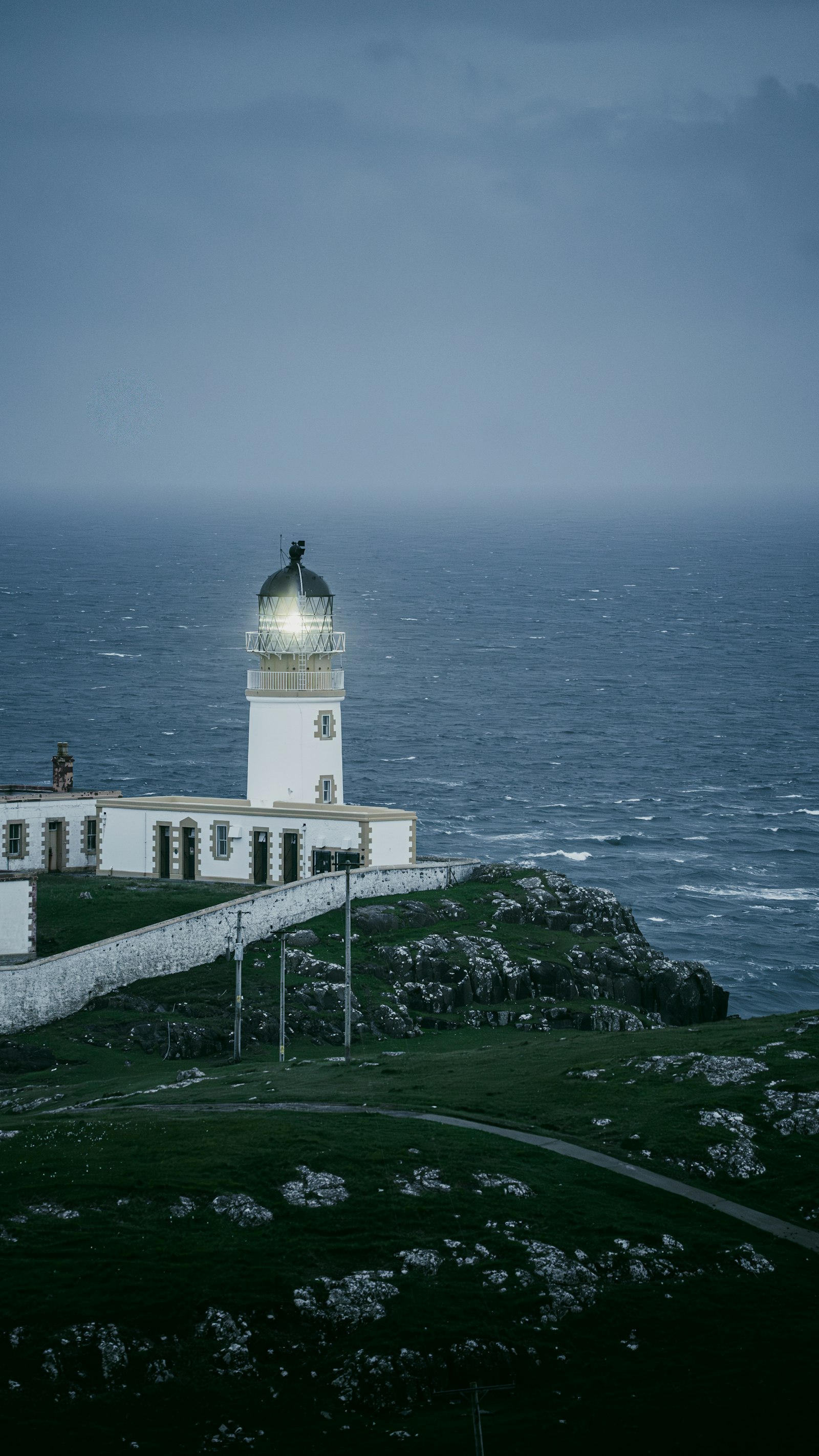
What Beach Proximity Actually Means for Property Value
Genuine walking-distance beach access is rare within Mangalore's established residential localities; most tracked properties sit a meaningful drive from the coastline rather than immediately adjacent to it. Buyers specifically prioritising beach lifestyle access should verify actual drive time to their preferred beach directly, rather than assuming a locality's general "coastal Mangalore" positioning translates to genuine walking proximity.
Sea-Facing Property Versus Beach-Access Property: A Real Distinction
It's worth separating two related but distinct concepts. Sea-facing property, covered in our luxury apartments guide, refers to a specific unit's view and often carries CRZ regulatory considerations. Beach access, by contrast, refers to practical proximity to an actual public beach for recreational use. A property can offer genuine sea views without convenient beach access, and vice versa, so buyers should clarify which of these two distinct benefits actually matters for their own priorities.
Weekend Lifestyle Value for Families and Retirees
For buyers specifically weighing Mangalore against a purely inland Karnataka city, genuine weekend beach access is a real, quantifiable lifestyle difference. Families with children, and retirees planning a slower-paced lifestyle, may reasonably weight this factor more heavily than working professionals with less discretionary weekend time, a distinction worth being honest with yourself about before treating coastal access as a universal priority.
Which Beach Fits Which Priority
Buyers weighing coastal access rarely want "the best beach" in the abstract; they want the one that fits what they actually plan to do. For water sports and a lively, well-serviced day out, Panambur remains the default choice. For a calmer family outing with facilities still on hand, Tannirbhavi is the more common pick. Anyone specifically interested in the NITK-Surathkal institutional corridor, whether for a project like Rohan Marina One or simply proximity to the university, should look at Surathkal and Mukka together, since the two sit only a few kilometres apart. Photographers and early risers tend to favour Someshwara for its rocks and sunrise light, while Sasihithlu, Chitrapura, Kodical, and Bengre all suit buyers who specifically want distance from crowds over convenience. Kaup sits in a category of its own: it is far enough that it functions as an occasional day trip rather than a regular weekend habit, and its appeal rests almost entirely on the lighthouse rather than swimming or water sports.
Safety Considerations Worth Knowing
Mangalore's beaches vary meaningfully in how safe they are for swimming. Panambur and Tannirbhavi have lifeguard presence and are generally the safer choices for families with children. Someshwara, Kodical, and Kaup all carry genuine currents or rocky terrain that make swimming inadvisable regardless of how calm the surface looks, and Bengre has no lifeguard presence at all. Families should treat these distinctions as real safety information rather than an overly cautious formality, and should ask locally before letting children swim at any beach beyond Panambur or Tannirbhavi.
Comparing Beach Access Across Localities We Track
Among Mangalore projects we track, Rohan Marina One's Surathkal location carries a specific kind of coastal proximity tied to the NITK academic-coastal corridor, distinct from the general "near the sea" positioning used in marketing for many other listings. Separately, the Mannagudda area is associated with the sea-facing luxury segment covered in our luxury apartments guide. Buyers should verify project-specific coastal proximity independently rather than assuming a locality's broad positioning applies to every listing within it.
Seasonal Considerations for Beach Access
Mangalore's monsoon season, typically running from June through September, meaningfully affects beach conditions and usability across the coastline. Rough seas, strong currents, and reduced visibility are common during this period, and several beaches see restricted swimming access or reduced footfall as a result. Buyers specifically valuing beach lifestyle access should factor this seasonal reality into their expectations, since the pleasant conditions typical of dry-season visits do not apply year-round.
Transport and Access Routes to Mangalore's Beaches
Most of Mangalore's beaches are accessible by road via taxi or private vehicle, though Tannirbhavi's ferry route from Sultan Battery and Bengre's ferry from Dakke offer more scenic alternatives for those without time pressure. Kaup, being furthest out, is best reached by car or taxi along the Mangalore-Udupi highway rather than local transport. Buyers evaluating a property specifically for beach access should confirm the actual driving route and realistic travel time from that property, rather than relying on straight-line distance figures, since Mangalore's road network and traffic patterns can meaningfully affect actual travel time beyond simple kilometre counts.
Beach-Adjacent Development: A Word of Caution
Given Mangalore's Coastal Regulation Zone framework, development directly adjacent to any of these beaches carries specific regulatory restrictions distinct from standard inland construction. Buyers considering any property marketed with direct beach-adjacent positioning should independently verify CRZ classification and any applicable construction restrictions before assuming beachfront proximity translates to unrestricted development rights, a distinction we cover in greater depth in our CRZ Rules guide.
NRI Buyers and Coastal Lifestyle Value
For Gulf-based NRI buyers specifically, Mangalore's genuine coastal lifestyle can carry particular appeal, offering a familiar sea-adjacent living pattern for those accustomed to Gulf coastal cities. Buyers in this category should apply the same FEMA compliance and documentation discipline covered in our Mangalore Gulf NRI guide, treating coastal access as one genuine lifestyle factor among the broader return-planning considerations that guide covers in depth.
Due Diligence for Coastal-Adjacent Purchases
- Verify actual drive time to your specific preferred beach directly, rather than relying on straight-line distance
- For any beachfront-adjacent property, confirm CRZ classification before assuming unrestricted construction rights
- Ask directly whether "sea view" or "coastal" marketing language refers to your specific unit's actual outlook or the broader locality's general positioning
- Factor monsoon-season beach conditions into your expectations rather than assuming dry-season conditions apply year-round
- Where a beach's distance or safety profile is described differently across sources, as with several beaches in this guide, treat the range as the honest answer rather than picking whichever figure sounds best
Closing Summary
Mangalore's ten most commonly cited beaches, from Panambur's developed recreational offering to Bengre's quiet double-river estuary and Kaup's lighthouse on the Udupi border, give the city a genuine coastal lifestyle dimension distinct from most Karnataka cities. Buyers should verify actual drive time to their specific preferred beach rather than relying on general "coastal city" positioning, and should clearly distinguish between sea-facing property value and practical beach-access convenience when weighing this factor in a purchase decision.
Who This Guide Serves
This guide serves buyers specifically factoring coastal lifestyle access into a Mangalore property decision, alongside anyone curious about the city's broader beach landscape independent of a specific purchase. It draws on our Senior Property Advisor's two decades tracking Mangalore's coastal localities firsthand, detailed on the author profile page. For buyers prioritising other factors entirely, this remains useful general context about what distinguishes Mangalore from inland Karnataka cities.
Frequently Asked Questions
Which Mangalore beach is closest to the city centre?
Panambur and Tannirbhavi are both commonly cited in the 9 to 13 kilometre range, and Chitrapura and Kodical are also close at around 10 kilometres, though exact figures vary by source and starting point.
Which beach connects to a project we track directly?
Surathkal Beach, home to NITK, connects directly to our tracked Rohan Marina One project on NITK Beach Road.
Which beaches near Mangalore are safe for swimming?
Panambur and Tannirbhavi have lifeguard presence and are the more commonly recommended choices for families. Someshwara, Kodical, Bengre, and Kaup all carry currents, rocks, or a lack of lifeguards that make swimming inadvisable.
What is the difference between sea-facing property and beach-access property?
Sea-facing refers to a unit's view and may carry CRZ regulatory considerations. Beach access refers to practical proximity to an actual public beach for recreational use. A property can have one without the other.
Which beach is best for a quiet, less crowded visit?
Kodical, Chitrapura, Mukka, and Bengre are all consistently described as far less crowded than Panambur, with Bengre being the most remote of the group.
Is Kaup Beach actually part of Mangalore?
Not administratively. Kaup falls within Udupi district, roughly 40 to 45 kilometres north of Mangalore, but it is commonly included in Mangalore beach itineraries given its position on the same coastal highway.
Considering a Mangalore property with coastal lifestyle access in mind? Call 7676870876 or WhatsApp your priorities to 9606230962, or email reach@onecityproperty.com.



News insight
 22/08/2026
Namma Metro Station Guide: Every Line, Every Stop, and What's Actually Around It
A station-by-station guide to all 86 Namma Metro stops across Purple, Green, and Yellow Lines, with...
 21/08/2026
Banaswadi Bangalore: Complete Locality Guide for Buyers
Banaswadi (560043) is a well-connected North East Bangalore locality split into Dodda/Chikka Banaswa...
 20/08/2026
Kammanahalli Bangalore: Complete Locality Guide for Buyers
Kammanahalli, nicknamed Kammanhattan, is a cosmopolitan North East Bangalore locality with close met...