



Building
Assetz City of Palms IVC Road Bangalore: 35-Acre Plotted Development at Kundana, Devanahalli
Contact
Description
Published: 25 November 2026 | By L K Monu Borkala | OneCity Property Research Desk

Assetz City of Palms: Overview
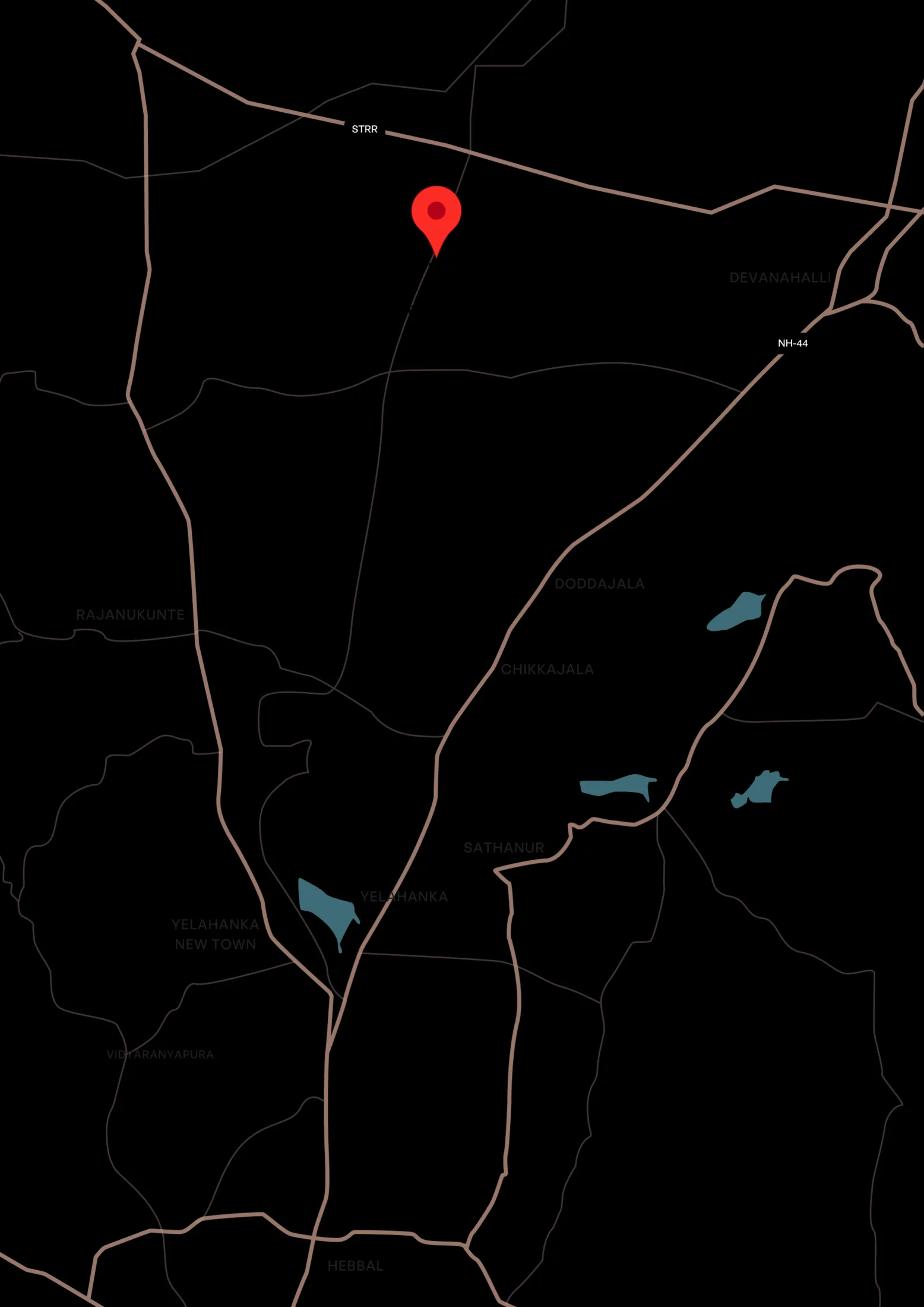
Assetz City of Palms is a plotted residential development of about 35 acres by Assetz Property Group, on the IVC Road corridor of north Bengaluru. The site address the developer publishes is Kundana, Devanahalli, Bengaluru 562110 — which is the detail that matters most here, and one the project name does not tell you. This is Devanahalli taluk, not Yelahanka, and it places the layout firmly in the airport’s growth belt rather than in the city.
What the developer has published is the land area, the road hierarchy, a 20,000 sq ft clubhouse, the amenity and landscape specification, and a RERA number. What it has not published, at the time of writing, is the plot count, the plot dimensions, the price, or a completion date. We are not going to supply those from inference. A plotted development is bought by the square foot against a specific dimension and a specific guidance value, so those four blanks are the first things to fill in from the price sheet and the RERA portal entry before you take this project any further.
Key Facts at a Glance
| Project name | Assetz City of Palms |
| Developer | Assetz Property Group, Bengaluru |
| Type | Residential plotted development |
| Location | Kundana, Devanahalli taluk, Bengaluru Rural district – 562110, Karnataka (IVC Road corridor, north Bengaluru) |
| Total land area | Approximately 35 acres |
| Total plots | Not published by the developer at the time of writing — confirm from the RERA entry |
| Plot dimensions | Not published at the time of writing |
| Internal road hierarchy | 15 metre, 12 metre and 9 metre roads |
| Clubhouse | Approximately 20,000 sq ft |
| Starting price | Not published at the time of writing — call 99023 30233 for the current price sheet |
| Completion | Not published at the time of writing — the approved date is on the RERA portal entry |
| RERA number | PRM/KA/RERA/1250/303/PR/300626/008780 |
| Signature features | Coconut palm avenue landscaping, 20,000 sq ft clubhouse, treated-water landscape irrigation, rainwater recharge pits |
*Figures as published on the developer’s official project page at the time of writing. Where a row says “not published”, we have left it blank rather than estimate it. Prices, availability and payment plans change; call us at 99023 30233 for the current price sheet.
What a Plotted Development Actually Means in Karnataka
A plotted development is not a smaller version of an apartment project. You are buying land with a title of its own, inside a layout where the developer has built the roads, drains, water lines, electrical network and common amenities, and then sold the individual sites. The legal and financial consequences run in a different direction from an apartment at almost every point:
- You own the land outright, not an undivided share of it. That is the central advantage: land does not depreciate the way a built structure does, and you decide when and what to build.
- There is no GST on the sale of land. An under-construction apartment carries 5% GST without input credit; a plot does not. On a ₹1 crore purchase that is a material difference, and it is the single most under-appreciated number in the plot-versus-apartment comparison.
- You carry the construction risk and the construction cost yourself, later, at whatever rates apply then. A plot is not a home until you have spent another substantial sum building one.
- Banks lend less, and differently. Loan-to-value on a plot is typically lower than on an apartment, and a pure land loan is not the same product as a composite plot-plus-construction loan.
- The khata and revenue paperwork is the whole ballgame. With an apartment the developer carries much of it; with a plot the quality of the layout approval and the khata you receive determines whether you can build, borrow against it, or sell it easily.
- Amenities are a shared cost with no fixed occupancy date. A clubhouse in a plotted layout gets used as owners build out, which can take years. You pay maintenance from handover regardless.
Our villa plots versus apartments comparison works through the economics in detail, and the north Bangalore plotted development guide covers what is specific to this part of the city.
Location: Kundana, Devanahalli and the IVC Road Corridor
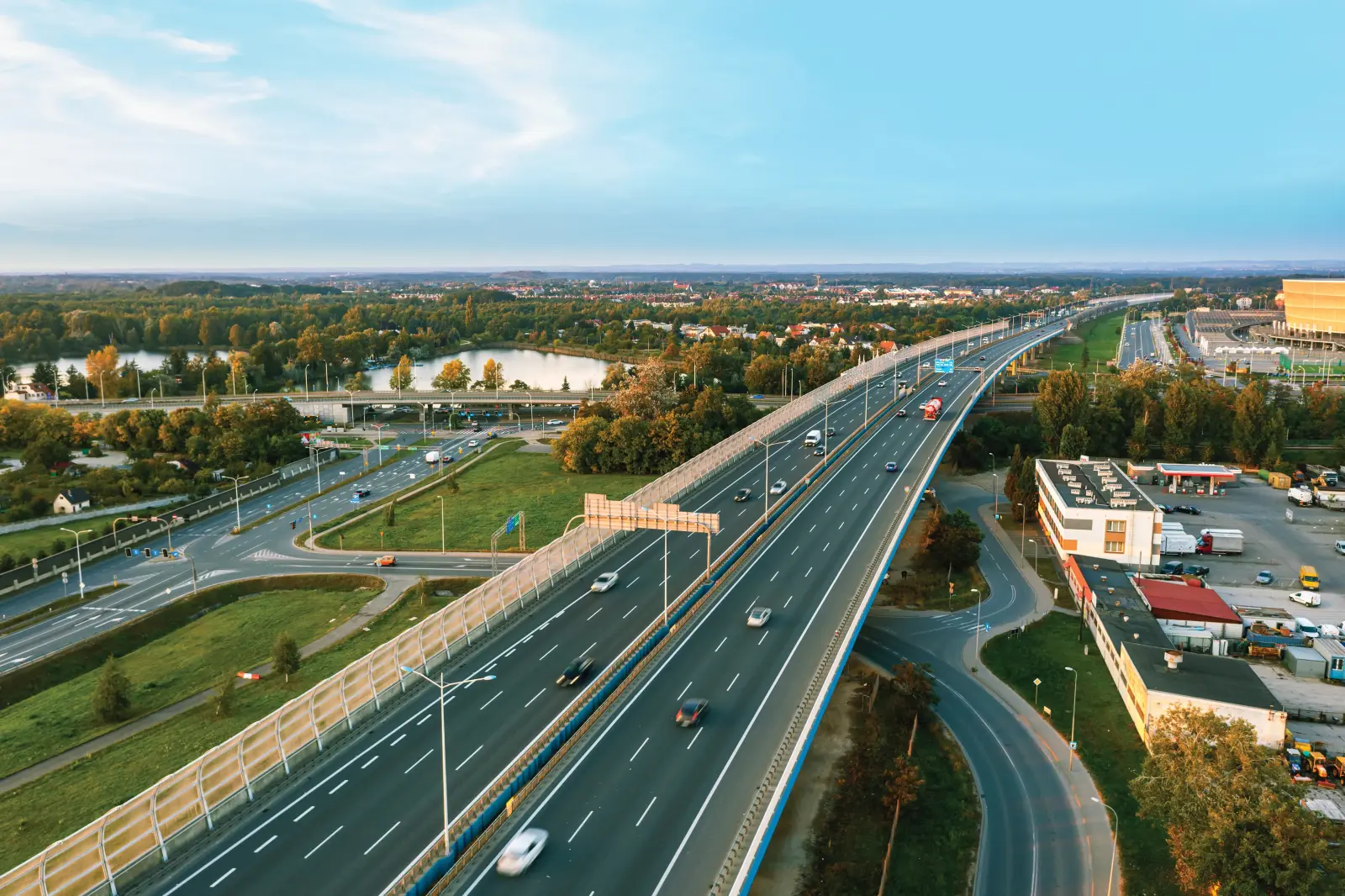
IVC Road runs between the Bellary Road axis and Doddaballapur, cutting across the band of north Bengaluru that sits behind Kempegowda International Airport. Kundana is a hobli in Devanahalli taluk, in Bengaluru Rural district rather than Bengaluru Urban, and that administrative line has practical consequences a buyer should understand before anything else.
What being in Devanahalli taluk means in practice. The layout will not fall under BBMP. Local body, property tax rates, building bye-laws, and the khata you receive all follow the panchayat or the relevant planning authority instead. None of that is a problem — large parts of north Bengaluru’s best-performing land is outside BBMP — but it changes the questions you ask. Ask which planning authority approved the layout, ask which body will issue the khata, and ask to see the approval, because an unapproved layout is the single most expensive mistake available in this market.
Why developers are building here. The driver is not the city, it is the airport and the industrial belt behind it. Devanahalli has the KIADB Hardware Park and Aerospace Park, the ITIR allocations, and now large manufacturing tenants. Add the airport itself, the education cluster that grew along IVC Road, and the ring-road and metro-oriented work the developer refers to, and you have a corridor whose demand is driven by employment and institutions rather than by proximity to the central business district. That is a more durable base than a pure commute story, which is what makes the corridor interesting.
The honest counterweight. It is also a long way from the city, the supply pipeline in north Bengaluru is heavy, and the infrastructure the growth case depends on is partly future-tense. The developer’s own phrasing — “upcoming ring roads and metro-oriented growth corridors” — is accurate precisely because it is prospective. Buy here on a view of where north Bengaluru will be in a decade, not on a view of next year.

What the Developer Says Is Nearby
The figures below are the developer’s published drive times, reproduced as published and not independently measured by us. We reproduce them because they are the project’s own claims and you are entitled to see them; we are not endorsing them. Drive times in this part of Bengaluru vary enormously with the time of day, and a number quoted off-peak can double in the morning. Drive the routes that matter to you yourself.
| Education | Cambridge Institute of Technology 3 min · Harrow International School 5 min · Vidyashilp University 7 min · Stonehill International School 12 min · Presidency University 22 min |
| Employment | Foxconn 12 min · Prestige Tech Cloud 18 min · Bengaluru Signature Business Park 20 min · Amazon office 23 min · KIADB Hardware Park 25 min |
| Healthcare | Aadya Hospital 15 min · Manipal Hospital Doddaballapur 18 min · Akash Super Speciality 18 min · Ramaiah Leena 20 min · Cytecare 20 min |
| Retail | DMart Doddaballapur 15 min · The Galleria Mall 25 min · Phoenix Mall of Asia 25 min · Bhartiya Mall of Bengaluru 28 min · Esteem Mall 30 min |
Read as a group, these tell you something useful about the micro-market: the education cluster really is close, with four institutions inside twelve minutes, while retail and healthcare of scale are 15 to 30 minutes away. That is the profile of a corridor that families with school-age children move to early and that everybody else moves to later. It is also why the schools, not the offices, are the demand story worth checking on a site visit.
The 35 Acres: Road Hierarchy and What It Tells You
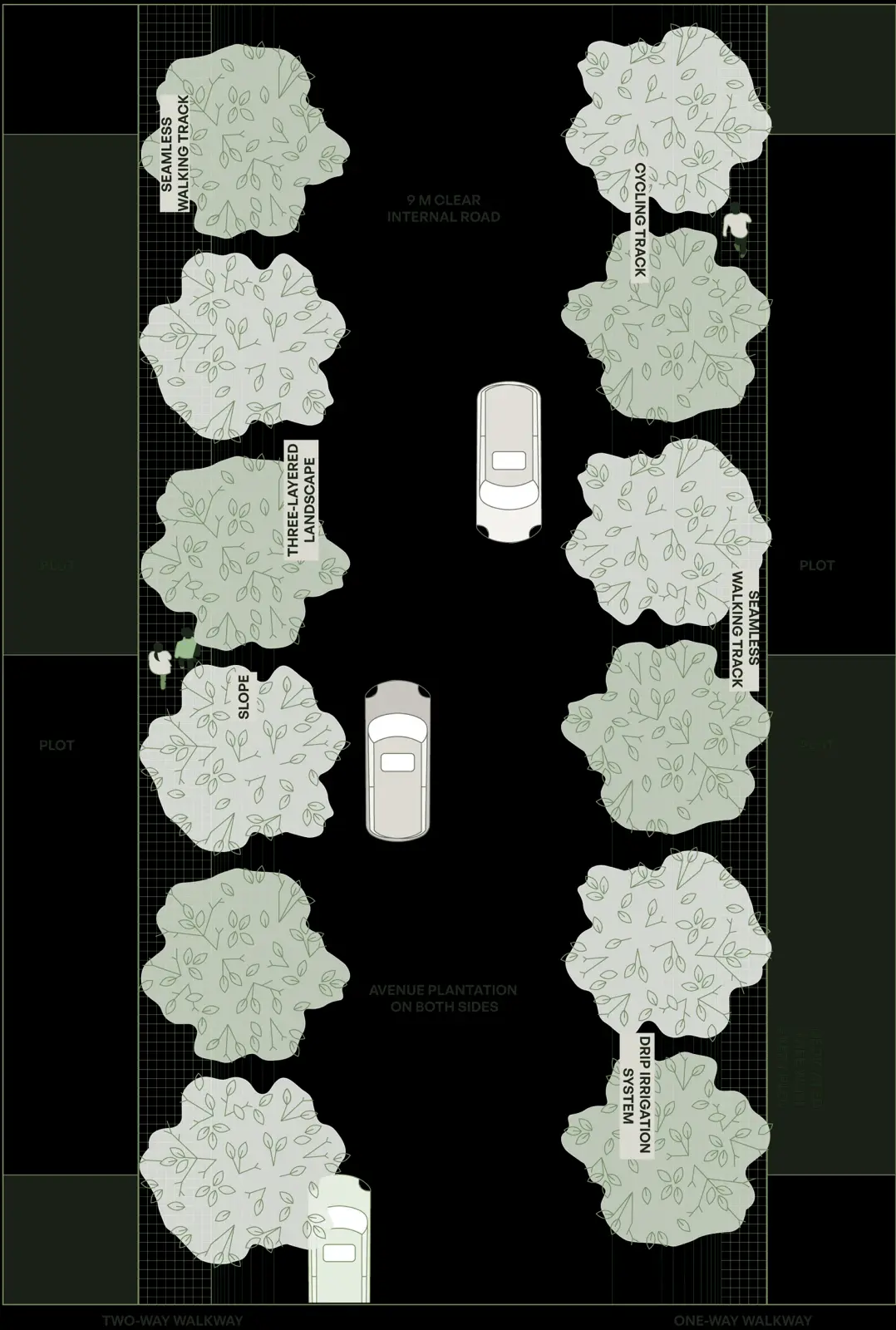
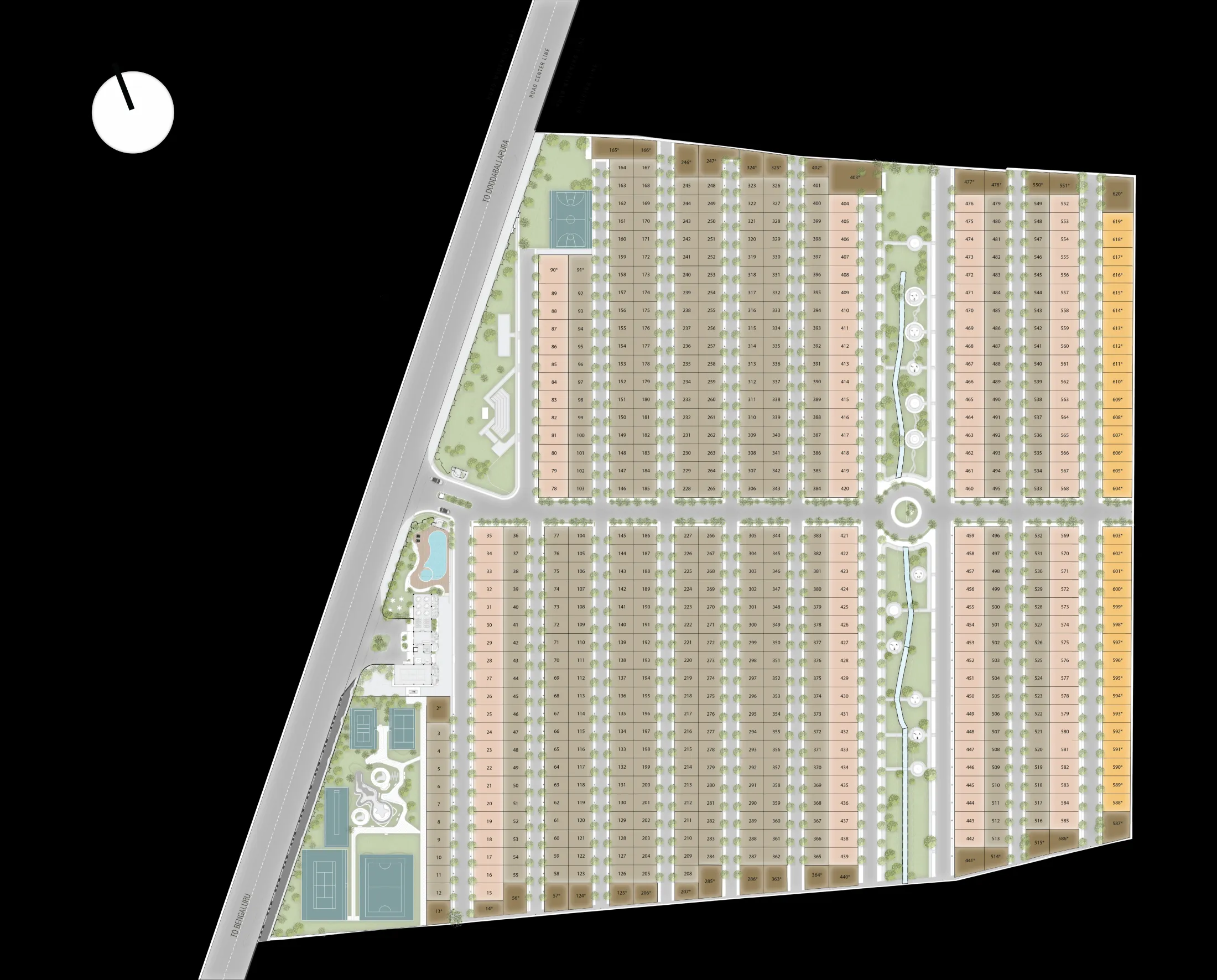
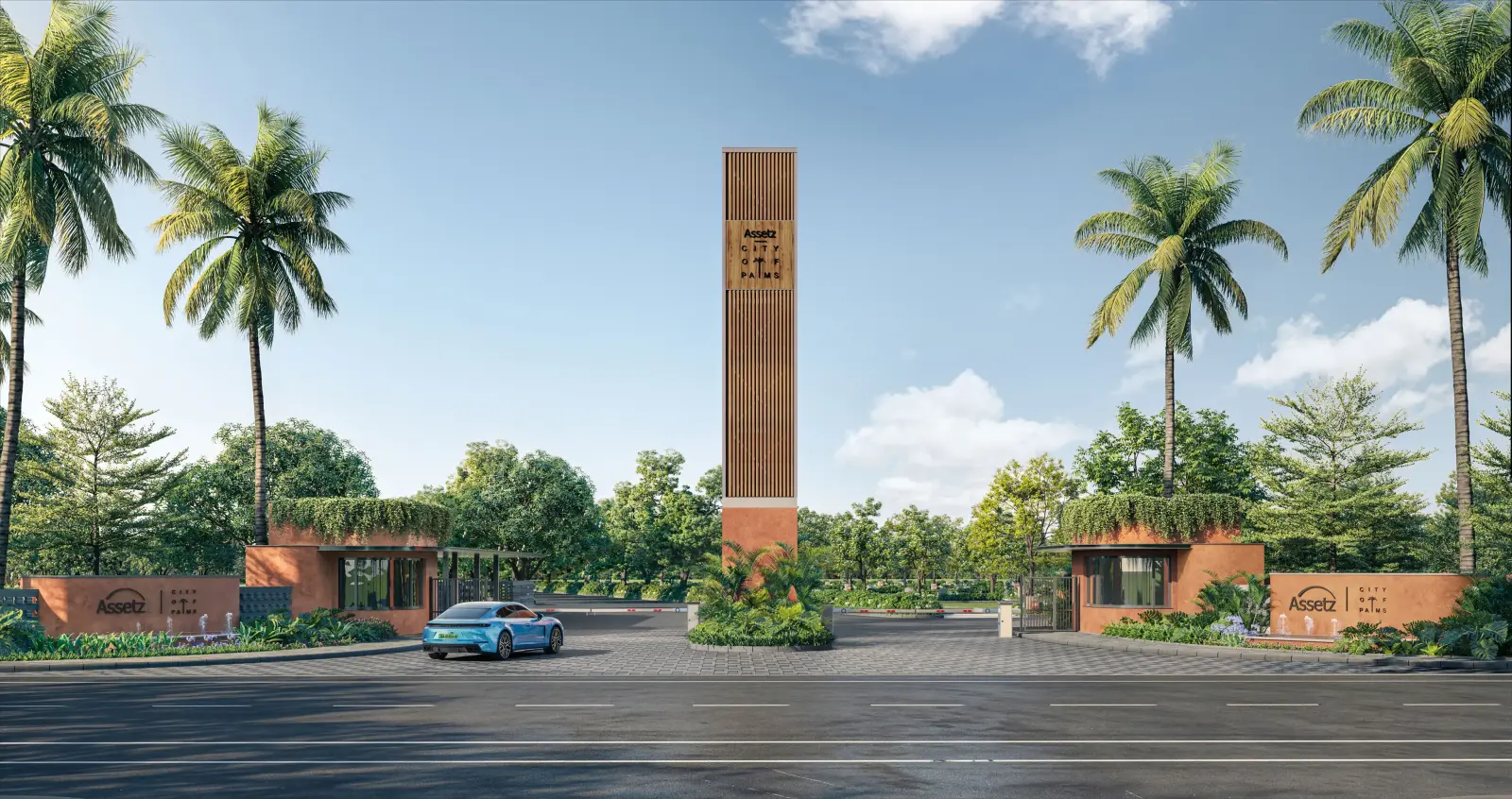
The developer publishes a three-tier internal road network of 15 metre, 12 metre and 9 metre roads. This is worth more attention than it usually gets, because road width in a plotted layout is not a cosmetic specification. It determines whether two cars can pass outside your gate, whether a cement truck can reach your site during construction, whether fire services can get in, and — directly — what your plot is worth on resale.
- A 15 metre (roughly 50 ft) spine road is generous for a residential layout and typically carries the main approach and the clubhouse frontage. Plots on it usually command a premium and carry more passing traffic.
- 12 metre (about 40 ft) is the comfortable middle: two-way traffic with on-street parking, which is what most buyers should want.
- 9 metre (about 30 ft) is the minimum width at which a plotted layout still works day to day. Ask specifically which roads are 9 metre and where, because that is where the cheaper plots will be, and the saving is real but so is the constraint.
The question to ask: get the master plan and find your specific plot on it, then note the width of the road it faces and the width of the road you would reach it by. A plot on a 9 metre road behind another 9 metre road is a different asset from one on the 15 metre spine, even at the same square footage and the same price per square foot.


Plot Sizes and Pricing: What Has Not Been Published
At the time of writing the developer publishes neither plot dimensions nor a price. We will not print an estimate dressed up as a quoted figure, so instead here is how to read the price sheet when you get it, because a plot price sheet hides more than an apartment one does.
- Ask for the rate per square foot and the plot area separately, then multiply it yourself. Plotted layouts are often quoted as an all-in plot value, which makes comparison against neighbouring layouts impossible until you break it down.
- Ask what the rate includes. In plotted developments the amenity or infrastructure charge is frequently a separate line, sometimes a large one, and it is not always in the headline rate. Get the total.
- Ask about corner and road-facing premiums. A corner plot or one on the 15 metre spine carries a premium. Know what you are paying it for, and whether you would recover it on resale.
- Check the rate against the guidance value for Kundana on the Kaveri portal. If the agreement value is below guidance value, stamp duty is still levied on the guidance value, so a “cheap” plot can carry a higher duty than you budgeted. Our guide to checking guidance value on the Kaveri portal walks through it.
- Ask what the construction timeline obligation is. Some plotted layouts require you to begin building within a stated period. Others do not. This materially changes the asset: a plot you must build on in three years is not a land bank.
One number you can assess today: 35 acres is about 1,524,600 sq ft of gross land. After roads, parks, the clubhouse and the statutory open-space reservation — which together typically absorb 40 to 50% of a plotted layout — the saleable plot area will be meaningfully smaller than the headline acreage suggests. When the plot count is published, divide saleable area by it and see whether the average plot size matches what the sales team is describing.

Amenities and the 20,000 Sq Ft Clubhouse
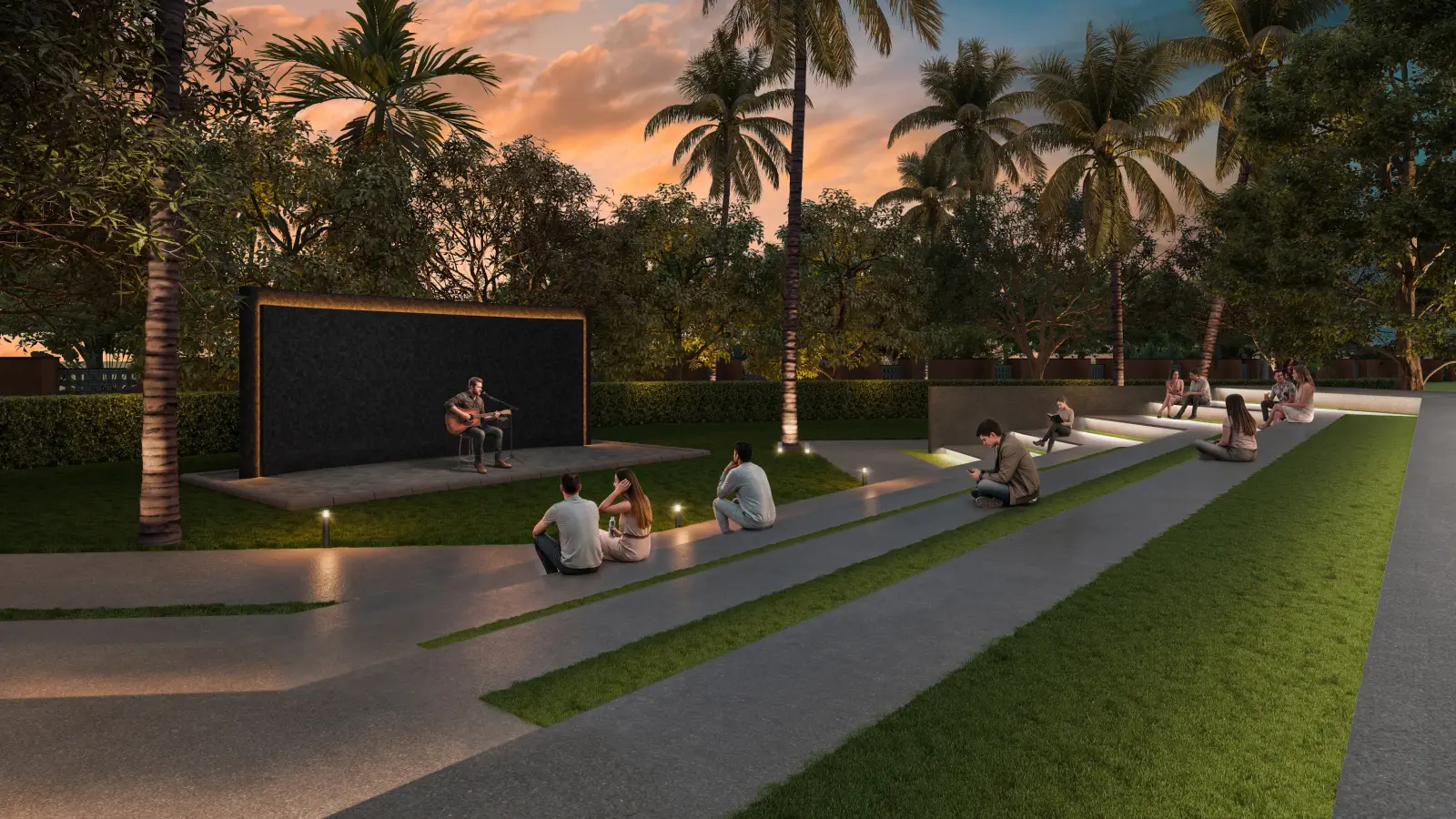
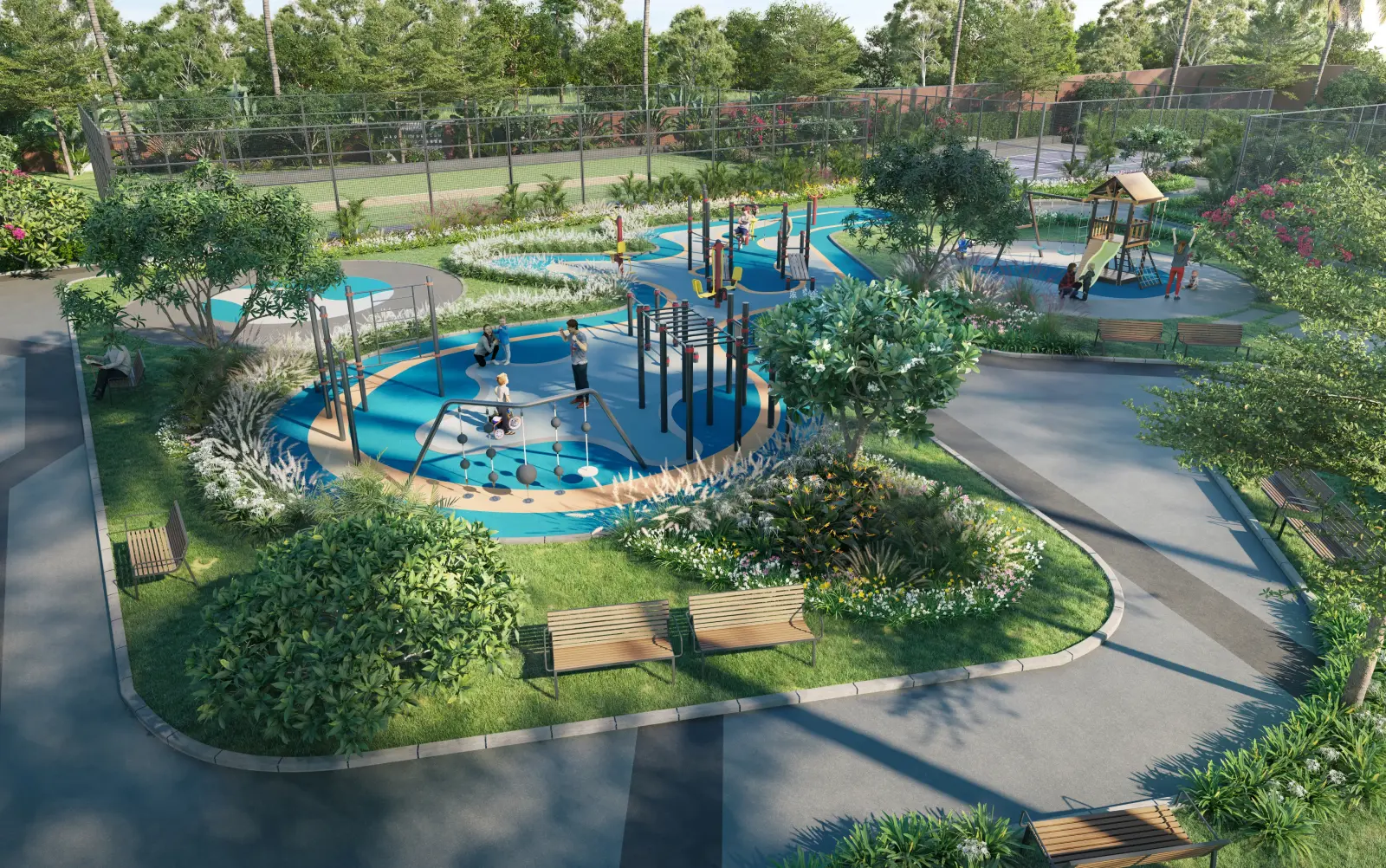
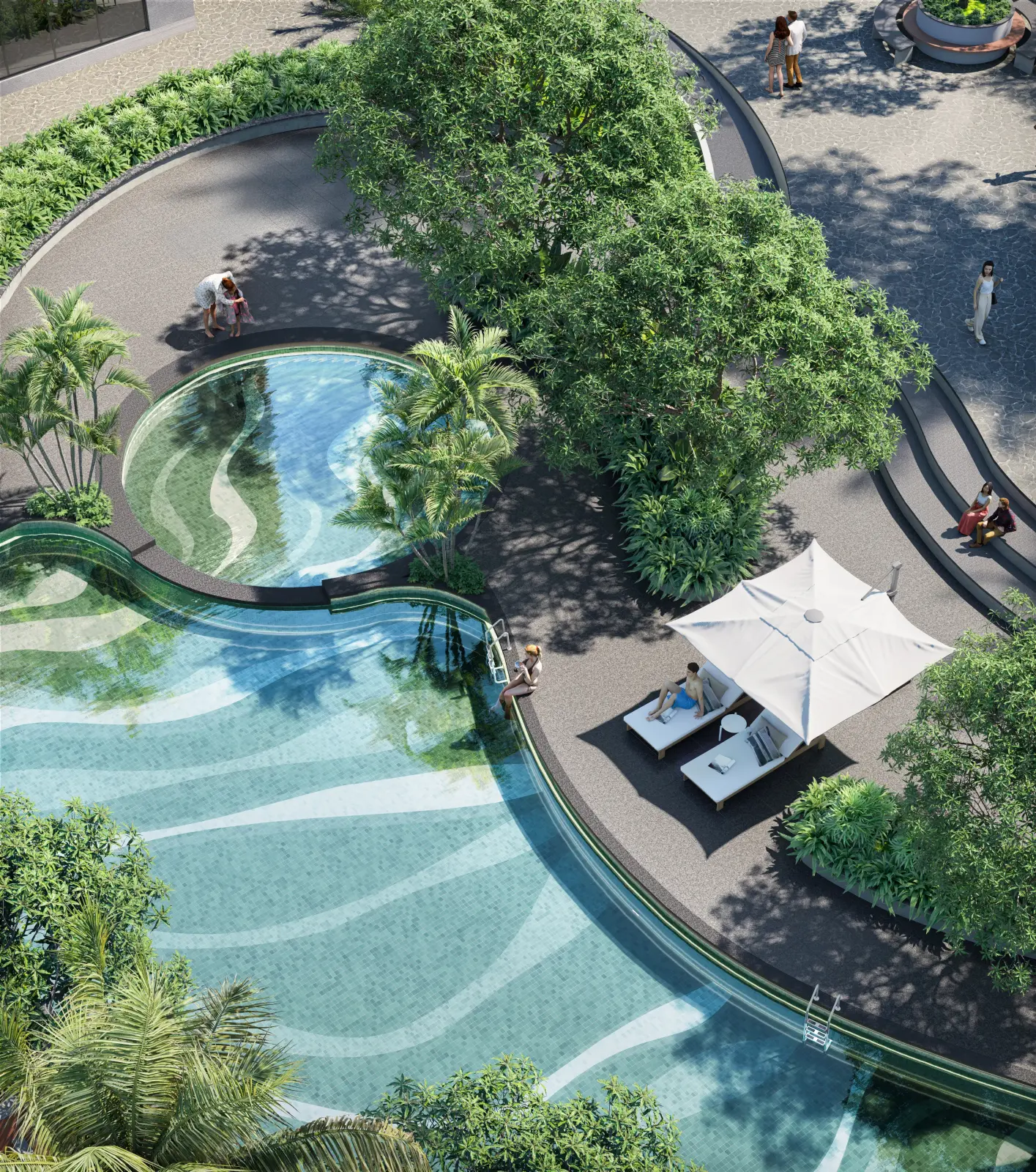
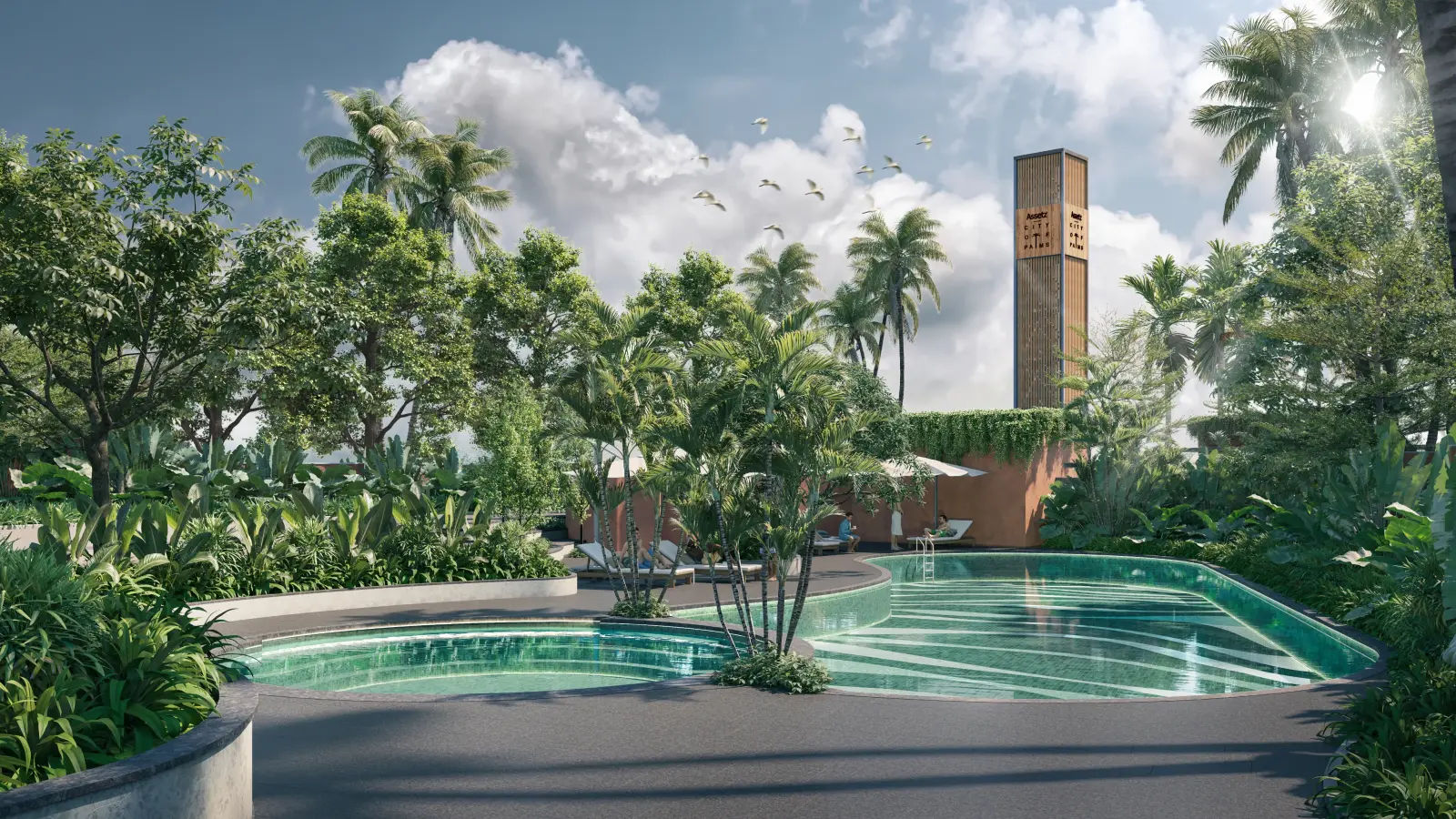
The developer publishes a clubhouse of approximately 20,000 sq ft, together with a swimming pool, an amphitheatre, a multi-purpose court, children’s play areas and landscaped garden space across the layout. On a 35-acre plotted development that is a reasonable amenity provision — large enough to be useful, not so large that the maintenance burden becomes the dominant cost.
The timing question that matters more than the list. In an apartment project the amenities and the homes complete together. In a plotted layout they do not: the clubhouse may be finished while most plots are still empty, and the layout fills in over five to ten years as owners build. Two consequences follow, and neither appears in a brochure:
- You will pay maintenance for amenities you share with very few people for several years. Ask for the projected monthly maintenance per square foot, ask what occupancy it assumes, and ask who funds the gap.
- You will live beside construction. Every neighbour building a house generates noise, dust, material stacked on the road and construction traffic, for years. This is the single most common complaint from early buyers in plotted layouts, and the only defence is to expect it.
Ask for the amenity list and the clubhouse area as an annexure to the agreement, and ask when the clubhouse is contractually due relative to plot handover. A clubhouse promised “on completion of the project” in a layout with no published completion date is not a dated commitment.



Water, Power and Sustainability on a Plotted Layout
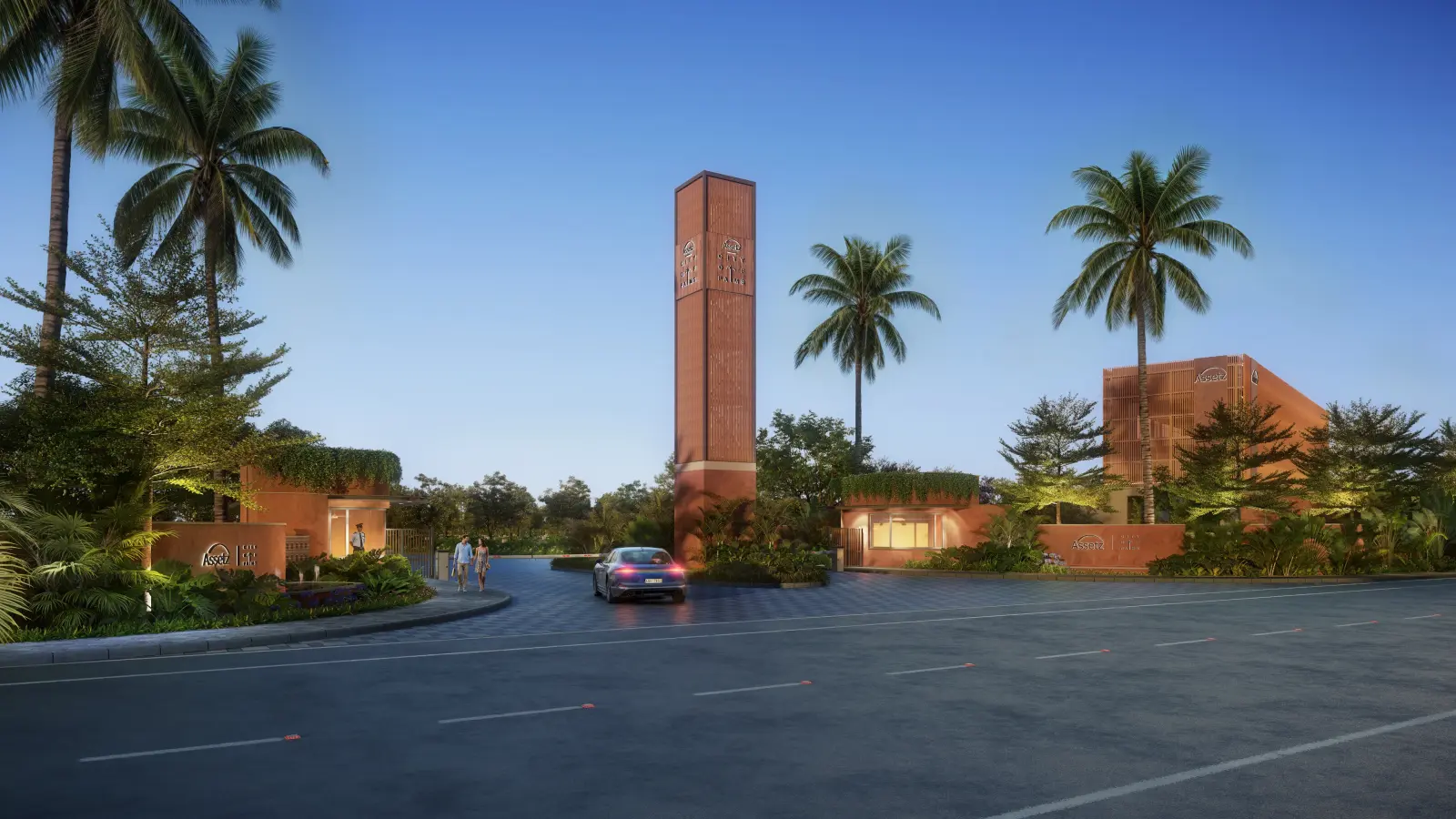
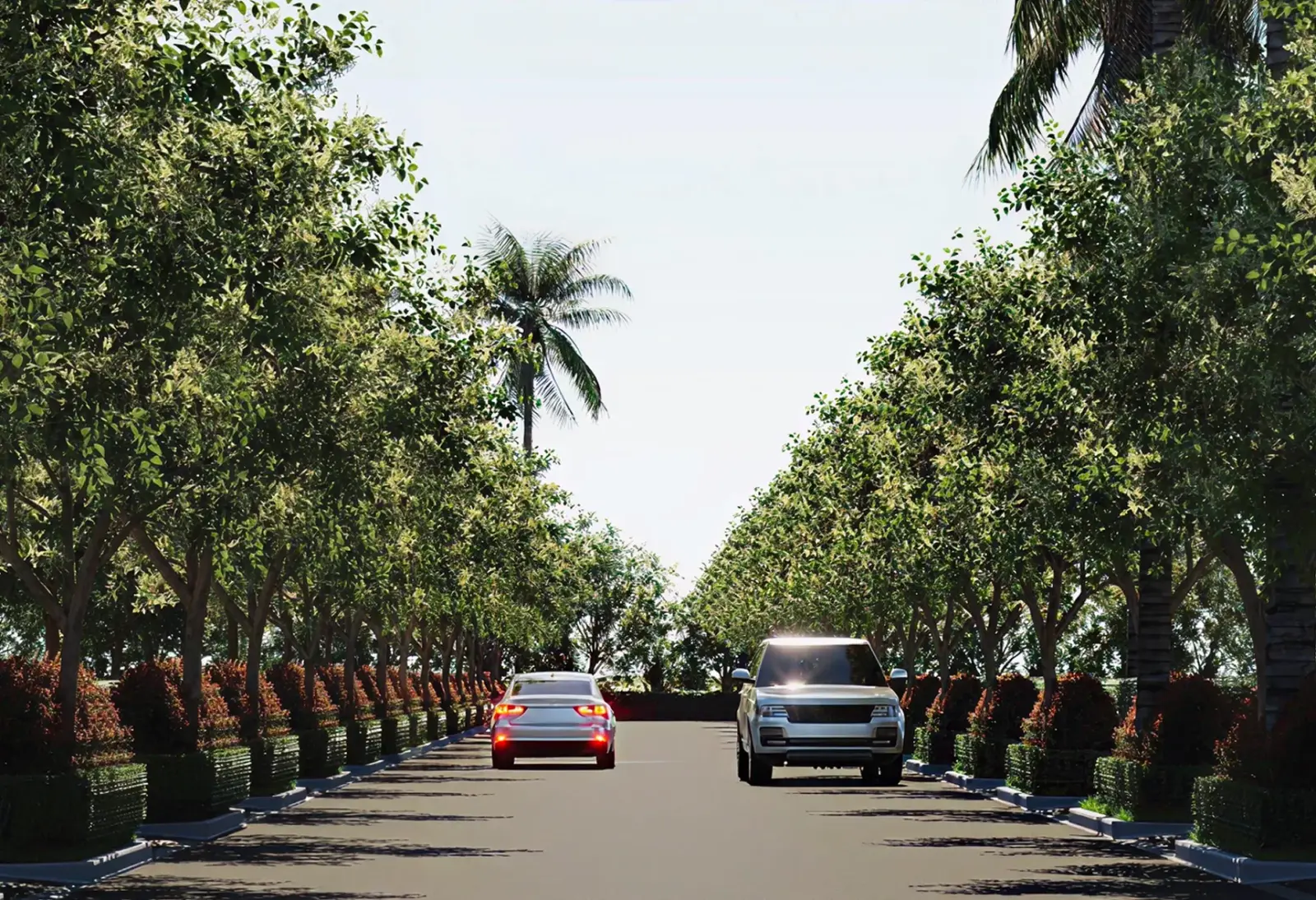
The developer’s published specification includes treated water used for landscape irrigation, rainwater harvesting recharge pits, energy-efficient fixtures in common areas, timer-controlled streetlights, avenue plantation along internal and main roads, low-maintenance roadside planting, and a clubhouse designed for natural light and ventilation. Surveillance is specified at entry and exit points and at the children’s play area.
That is a credible list for a layout of this type. But the question it does not answer is the one that decides what living here is like, and you should put it directly to the sales team and get the answer in writing:
What is the drinking water source for the individual plots, and is it sanctioned? In Devanahalli taluk this is not a formality. A plotted layout outside the Cauvery network depends on borewells, tankers or a local body supply, and the answer determines your cost, your reliability and your resale story. Ask for the borewell yield and depth if that is the source, ask how many borewells serve 35 acres, and ask what the contingency is in April and May. Treated water for the landscape is a good sign about intent, but it is not drinking water.
Second, which Bescom division serves the layout, and is the electrical infrastructure underground? Underground cabling is a real quality marker in plotted developments and is worth confirming against the specification rather than the render.

About Assetz Property Group
Assetz Property Group is a Bengaluru-headquartered developer with completed residential projects across the city, concentrated historically in the eastern and southern corridors. The group is now building in four directions at once, and the four projects we carry are different products in different markets rather than variations on one.
The most useful due diligence on any developer is not reading the track-record page but walking a handed-over project. Assetz 63 Degree East on Sarjapur Road is completed and occupied: you can see the common-area finish some years on, and you can ask a resident about maintenance, water and how long the paperwork took. That single visit tells you more about what gets delivered than any brochure.
For a plotted development specifically, ask a second question: what plotted layouts has this developer handed over, and what is the khata position of the buyers in them? Building apartments well and delivering a clean plotted layout are different competencies, and a developer’s apartment record does not transfer automatically.
The Real Cost: Stamp Duty and Registration on a Plot
Karnataka levies stamp duty on the higher of the agreement value and the government guidance value. The slabs, at the time of writing, are 5% above ₹45 lakh, 3% between ₹21 lakh and ₹45 lakh, and 2% up to ₹20 lakh, with 1% registration and a 0.5% cess and surcharge component on top.
Worked through on a ₹1 crore plot, so you can check the arithmetic yourself:
| Plot value (or guidance value, whichever is higher) | ₹1,00,00,000 |
| Stamp duty at 5% | ₹5,00,000 |
| Registration at 1% | ₹1,00,000 |
| Cess and surcharge at 0.5% | ₹50,000 |
| Total registration cost (about 6.5%) | ₹6,50,000 |
| GST on land | Nil |
Now the comparison that decides a lot of purchases. An under-construction apartment at the same ₹1 crore carries the same 6.5% plus 5% GST without input credit — so roughly ₹11,50,000 against ₹6,50,000 on the plot. That is a ₹5 lakh difference on day one, in the plot’s favour, before anything else is considered.
The honest other side: you have not bought a home. Building on the plot later will cost you construction money at future rates, and construction does attract GST if you engage a contractor. The plot advantage at purchase is real; it is not the same as the asset being cheaper overall. Run your own figure through our Karnataka stamp duty calculator, and budget separately for legal fees and the advocate’s title opinion, which you should not skip on a plot.
Khata, Form 9 and Form 11: the Karnataka Paperwork That Decides Everything
On a plot outside BBMP limits, the khata question is not administrative detail — it is the asset. The khata determines whether you can get a building plan sanctioned, whether a bank will lend against the plot, and how easily you can sell it. Get these answers before you pay anything substantial:
- Which authority approved the layout, and can you see the approval? An approved layout produces clean khatas. An unapproved one produces plots that are cheap for a reason and very hard to exit.
- Which body will issue your khata, and will it be an A khata equivalent? Get this in writing. “It will come later” is not an answer.
- Has the land been converted from agricultural use? Ask for the DC conversion order. Unconverted agricultural land cannot lawfully be sold as residential plots, and this is the first thing a competent advocate checks.
- Form 9 and Form 11, where the property falls under a panchayat, are the records that establish the property and its assessment. Our Form 9 and Form 11 explainer sets out what each one is and which you need.
- The RTC or Pahani for the parent survey numbers, to see the recorded ownership and land classification. Our guide to downloading the RTC online shows how to pull it yourself rather than accepting a photocopy.
- The e-khata position. Karnataka has moved khata issuance online, and the practical timelines are longer than buyers expect. Our e-khata application guide covers the current process.
If the sales team cannot produce the layout approval and the conversion order on request, that is your answer about how far to take the conversation.
Financing: Why Banks Treat Plots Differently
Lenders do fund plot purchases, but on terms that differ from an apartment loan in three ways worth planning around:
- Lower loan-to-value. Expect to fund more of a plot from your own capital than you would an apartment. Confirm the ratio with the lender before you commit to a payment schedule.
- A plot loan is not a home loan. A pure land loan and a composite plot-plus-construction loan are different products with different tenures and different tax treatment. If you intend to build, ask about the composite product at the outset rather than refinancing later.
- Tax treatment is narrower. Interest deduction under the home loan provisions generally applies to a residential house, so the benefit typically arrives once you have built and the property is self-occupied or let — not from the moment you buy the land. Take this from your own tax adviser on your own facts, not from a sales desk.
Ask which banks have already approved this specific project. An approved project list shortens the process substantially, and a project no major lender has approved is worth asking about directly.

How We Evaluate Any Plotted Development: the 10-Point Framework
We run these ten checks over every plotted layout we list, this one included. None of it is specific to Assetz.
- Is the layout approved, and by which authority? Ask to see the approval, not a reference to it. This one question eliminates most of the risk in the Karnataka plot market.
- Has the land been converted from agricultural use? The DC conversion order, for every survey number in the layout.
- Is the RERA registration live, and does the portal copy match the brochure? For this project the number is PRM/KA/RERA/1250/303/PR/300626/008780. Compare the portal’s plot count and completion date against what you were told.
- What khata will you receive, from which body, and when? In writing.
- What is the water source for individual plots, and is it sanctioned? In this corridor, the question that most affects daily life.
- What is the road width your plot faces, and the width of the road reaching it? Find the plot on the sanctioned layout plan, not the marketing map.
- What proportion of the gross area is saleable? Roads, parks and civic amenity reservations absorb 40 to 50% of a plotted layout. Know the number.
- Is there a construction obligation? A deadline to start building changes the asset from a land bank into a committed project.
- What is the maintenance charge, what does it assume about occupancy, and when does the association take over?
- Who would buy this plot from you in year seven, and at what price? If you cannot name the buyer, the investment case is thinner than it looks.
Documents to Verify Before You Book
A plot is bought on paper and the paper is all there is to inspect. Ask for every item below in writing, and have an advocate read them — not the developer’s summary of them.
- The approved layout plan from the sanctioning authority, with your plot identifiable on it by number and dimension.
- The DC conversion order for all parent survey numbers.
- The RERA registration certificate, cross-checked against the Karnataka RERA portal entry.
- Title documents and the encumbrance certificate going back at least thirteen years, read by a property advocate who gives you a written opinion.
- The RTC or Pahani and the mutation register extracts for the parent land.
- Khata and tax-paid receipts for the parent land, and written confirmation of what khata you will receive for your plot.
- The release certificate or no-objection from any bank that has financed the developer against this land. Plotted layouts are frequently mortgaged during development; your plot must be released.
- The sale agreement, read for the delay clause, the compensation payable to you, the escalation clause and any construction obligation.
- The infrastructure and amenity specification as an annexure, including road widths, underground cabling, water source, and the clubhouse area.
- The maintenance agreement and the corpus amount, with the handover trigger to the owners’ association stated.
Our first-time buyer guide for Bangalore runs the same sequence, and the A khata plots buyer’s guide explains what distinguishes a clean plot title in this market.

Who This Project Suits, and Who It Does Not
We would rather lose a sale than put a buyer in the wrong asset. On the published facts, this one fits a specific profile.
It suits you if:
- You want to build your own house, to your own design, and you have both the appetite and the capital to run a construction project. This is the central case for a plotted development and everything else is secondary to it.
- Your horizon is ten years or more. The IVC Road corridor’s case rests on infrastructure and employment that is partly still arriving. Land rewards patience here; it punishes a three-year view.
- Your children are school-age and the Kundana education cluster matters to you. Four institutions inside twelve minutes of the site is the strongest verified-adjacency claim this project has.
- You work in the Devanahalli industrial belt, the airport, or the Hardware and Aerospace Park, where this location is a short commute rather than a long one.
- You want land title rather than an undivided share, and the absence of GST on the purchase is material to your numbers.
It does not suit you if:
- You need somewhere to live soon. A plot is not a home. Add the design, approval and construction cycle to whatever the layout handover date turns out to be.
- You want rental income. Vacant land yields nothing and costs you tax and maintenance. If income is the objective, buy built stock — our current listings include ready apartments and houses.
- You are stretching to afford it. Lower loan-to-value on plots means more of your own capital at the start, and then a construction budget afterwards. Thin margins and plotted developments are a bad combination.
- You want to be in the city. Kundana is Devanahalli taluk. If your life runs through Indiranagar or Koramangala, this is the wrong direction and no amenity list fixes that.
- You cannot tolerate living beside construction. For the first several years, your neighbours will be building houses.
Plot or Apartment in North Bengaluru: the Honest Comparison
Most buyers looking at this project are also looking at an apartment somewhere on the same corridor. The two are not competing versions of the same purchase, and the table below sets out where each one actually wins.
| Plot, as here | Under-construction apartment | |
| What you own | Land, with its own title | A unit plus an undivided share of land |
| GST on purchase | Nil | 5% without input credit |
| Ready to live in | No — design, approval and build come after | Yes, on possession |
| Rental income | None until you build | From possession |
| Loan-to-value | Lower; more of your own capital | Higher; the standard home loan product |
| Depreciation | Land does not depreciate | The structure ages and needs capital spending |
| Ongoing cost before use | Maintenance and tax on an empty site | Maintenance from possession, but the asset is in use |
| Effort required from you | High — you run a construction project | Low — the developer delivers a finished home |
The short version: a plot is the better asset and the worse product. It wins on title, tax at purchase and long-run land value; it loses on convenience, income and time to use. If you want to build, the plot is right. If you want to live in something, it almost never is. Our full plots-versus-apartments analysis works the numbers through, and our note on under-construction projects covers the other side of the trade.
On the Site Visit: What to Actually Inspect
There is no house to view, so a site visit is a fact-finding trip. Done properly it is the most valuable two hours of the whole purchase.
- Stand on your actual plot. Ask them to walk you to the specific plot number, not to a show area. Note the road in front of it, what adjoins it on all four sides, and the ground level relative to the road — a plot sitting below road level is a drainage problem you will pay to solve.
- Walk the boundary of the layout. You are looking for what adjoins 35 acres: active quarrying, a high-tension line, a storm water drain, a graveyard, a future road alignment. None of this is on the master plan and all of it affects value.
- Ask to see the sanctioned layout plan on site and match the plot numbering against it.
- Check whether the infrastructure is in the ground or on the drawing. Are the roads laid? Are the drains built? Is the cabling in? A plotted layout sold before infrastructure is a longer wait than the brochure suggests.
- Ask about water, on site, and write the answer down with the name of the person who gave it.
- Drive your real commute at your real time. Kundana to your office on a Monday morning, not the sales-office route at noon.
- Visit the schools you are counting on. If the education cluster is part of why you are buying, confirm admission reality, not just drive time.
- Find out what else is launching within two kilometres. Standing on the site you can usually see it. That is your resale competition.
- Photograph everything, including the site board with the RERA number, and keep it dated.


How OneCity Property Helps
We are a Bengaluru property consultancy, and on a plotted development our job is mostly to make sure the paperwork is checked before the deposit is paid. Concretely:
- We pull the RERA record and the layout approval and hand them to you next to the brochure, so you can see any discrepancy for yourself rather than take our word for it.
- We get the current price sheet as a total: rate, plot area, infrastructure or amenity charge, corner or road premium, corpus and registration, in one figure rather than a per-square-foot headline.
- We check the guidance value for Kundana so you know what stamp duty will actually be levied on before you budget.
- We arrange the site visit and come with you, with the inspection list above on paper, and we will walk you to your specific plot.
- We put you in front of a property advocate for the title opinion and the conversion and khata position. We do not do that work ourselves, and a consultancy that claims it does is one to be careful with.
- We will tell you when the answer is no. If your horizon, your budget or your commute does not fit a plot in Devanahalli taluk, we would rather move you to something that does.
Call 99023 30233, see what we do, or get in touch. Our other project pages and research notes are free to read, including our Sarjapur Road plot analysis if you are weighing north against south-east.
Frequently Asked Questions
Where exactly is Assetz City of Palms?
The site address the developer publishes is Kundana, Devanahalli, Bengaluru, Karnataka 562110, on the IVC Road corridor of north Bengaluru. Note that this is Devanahalli taluk in Bengaluru Rural district, not Bengaluru Urban and not BBMP limits, which affects the local body, the property tax and the khata you will receive. Ask for the survey numbers and verify them on the RERA portal entry and the RTC before you book.
What is the RERA number for Assetz City of Palms?
The number published by the developer is PRM/KA/RERA/1250/303/PR/300626/008780. Search it yourself on the Karnataka RERA portal rather than relying on the brochure. The portal entry carries the approved completion date, the sanctioned plot count and the promoter’s declared project cost — all three of which the developer’s own website does not publish, and all three of which you need.
Is this a plotted development or an apartment project?
It is a plotted development. The developer describes it as a roughly 35-acre luxury residential plotted development, and the published specification is consistent with that: a layout of internal roads at three widths, avenue plantation, a clubhouse and common amenities, with no BHK configurations or carpet areas anywhere. You are buying land inside a developed layout, then building on it yourself.
What are the plot sizes and prices at City of Palms?
Neither has been published by the developer at the time of writing, and we are not going to estimate them. For a plotted development the dimension and the rate are the two numbers the whole purchase turns on, so treat their absence as a reason to ask rather than a detail. Call 99023 30233 for the current price sheet, and ask for the rate per square foot and the plot area as separate figures, plus any infrastructure or amenity charge, corner premium and road-facing premium stated individually.
How large is the project, and what are the internal road widths?
About 35 acres, with internal roads at 15 metre, 12 metre and 9 metre widths. The road width in front of your plot is a real value driver, not a specification detail: it decides vehicle access during construction, everyday parking, and what the plot fetches on resale. Find your plot on the sanctioned layout plan and note both the road it faces and the road you reach it by, because a plot on the 15 metre spine is a different asset from one on a 9 metre road behind another 9 metre road.
What amenities does Assetz City of Palms have?
A clubhouse of approximately 20,000 sq ft, a swimming pool, an amphitheatre, a multi-purpose court, children’s play areas and landscaped common gardens, with palm avenue plantation along the internal and main roads. The published sustainability specification includes treated water for landscape irrigation, rainwater harvesting recharge pits, energy-efficient fixtures in common areas and timer-controlled streetlights. Get the amenity list and the clubhouse area as an annexure to the agreement, and ask when the clubhouse is contractually due relative to plot handover.

Will I get an A khata for my plot?
Get this answer in writing from the developer before you pay anything substantial, because it is the single most important question about a plot in this part of Karnataka. The property falls outside BBMP limits, in Devanahalli taluk, so the khata will come from the relevant local body or planning authority rather than BBMP. What determines whether it is clean is whether the layout is approved and whether the land carries a valid DC conversion order. Ask to see both documents. Our A khata plots buyer’s guide and the e-khata application guide explain what to look for.
What is the stamp duty and registration cost on a plot here?
In Karnataka, stamp duty is 5% above ₹45 lakh, with 1% registration and 0.5% cess and surcharge, so budget about 6.5% — levied on the higher of the agreement value and the government guidance value. On a ₹1 crore plot that is roughly ₹6.5 lakh. Crucially, there is no GST on the sale of land, where an under-construction apartment at the same price would carry 5% GST on top, a difference of about ₹5 lakh. Check the guidance value for Kundana first, and run your figure through our Karnataka stamp duty calculator.
Can I get a home loan for a plot at City of Palms?
Yes, but on different terms from an apartment loan. Expect a lower loan-to-value ratio, meaning more of your own capital up front. A pure land loan and a composite plot-plus-construction loan are two different products, so if you intend to build, ask about the composite option at the outset rather than refinancing later. Interest deduction under the home loan provisions generally attaches to a residential house rather than to vacant land, so take the tax position from your own adviser. Ask the developer which banks have already approved this project.
Is Assetz City of Palms a good investment?
We are not licensed to give investment advice, and with no published price we could not assess the entry point even if we were. What we can give you is the structure. The case for the IVC Road corridor rests on the airport, the Devanahalli industrial belt including the Hardware and Aerospace Parks, the education cluster, and ring-road and metro-oriented infrastructure that is partly still prospective — which is a demand base driven by employment rather than by commuting to the central business district, and that tends to be more durable. Against that: north Bengaluru has a heavy supply pipeline, and a plot generates no income until you build on it. On a ten-year horizon with land title and no GST, the asset has real merits. On a three-year horizon, it does not.
Do I have to build within a fixed period after buying?
Ask, and get it in writing, because the answer changes what you have bought. Some plotted layouts in Karnataka impose a construction obligation — a deadline to commence or complete building, sometimes with a penalty — while others leave the timing entirely to the owner. A plot you must build on within three years is a committed construction project with a deadline; a plot with no such clause is a land holding you can develop when you choose. The developer has not published this condition, so it is a question for the sale agreement.
How do I arrange a site visit?
Call 99023 30233 or use our contact page, and we will arrange it and come with you. Ask to be walked to a specific plot number rather than a show area, go on a weekday at the time you would really travel, and bring the inspection list above. If you want to compare against other north Bengaluru plotted layouts in the same trip, we will put two or three together — seeing them side by side on one day is far more informative than three separate visits weeks apart.
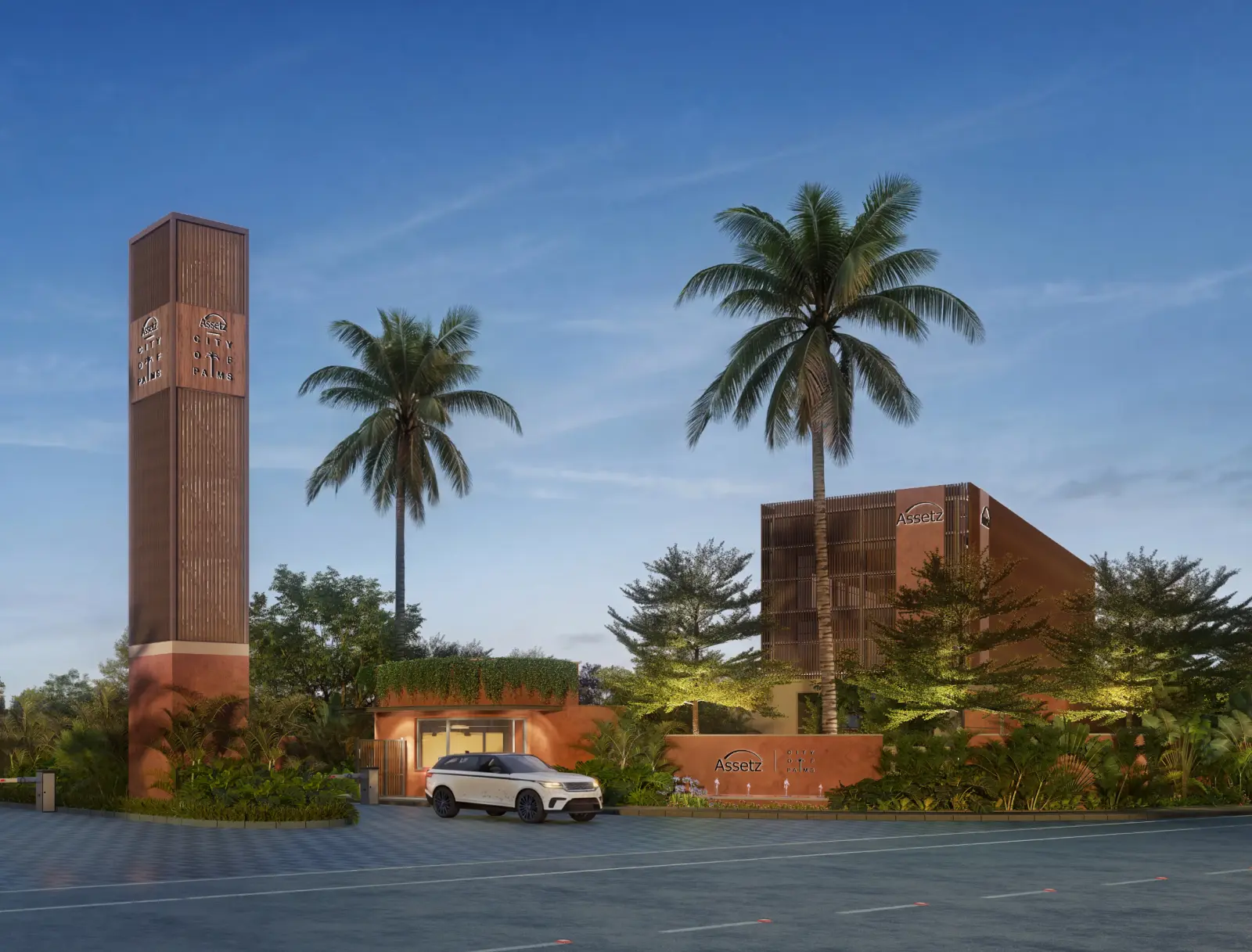
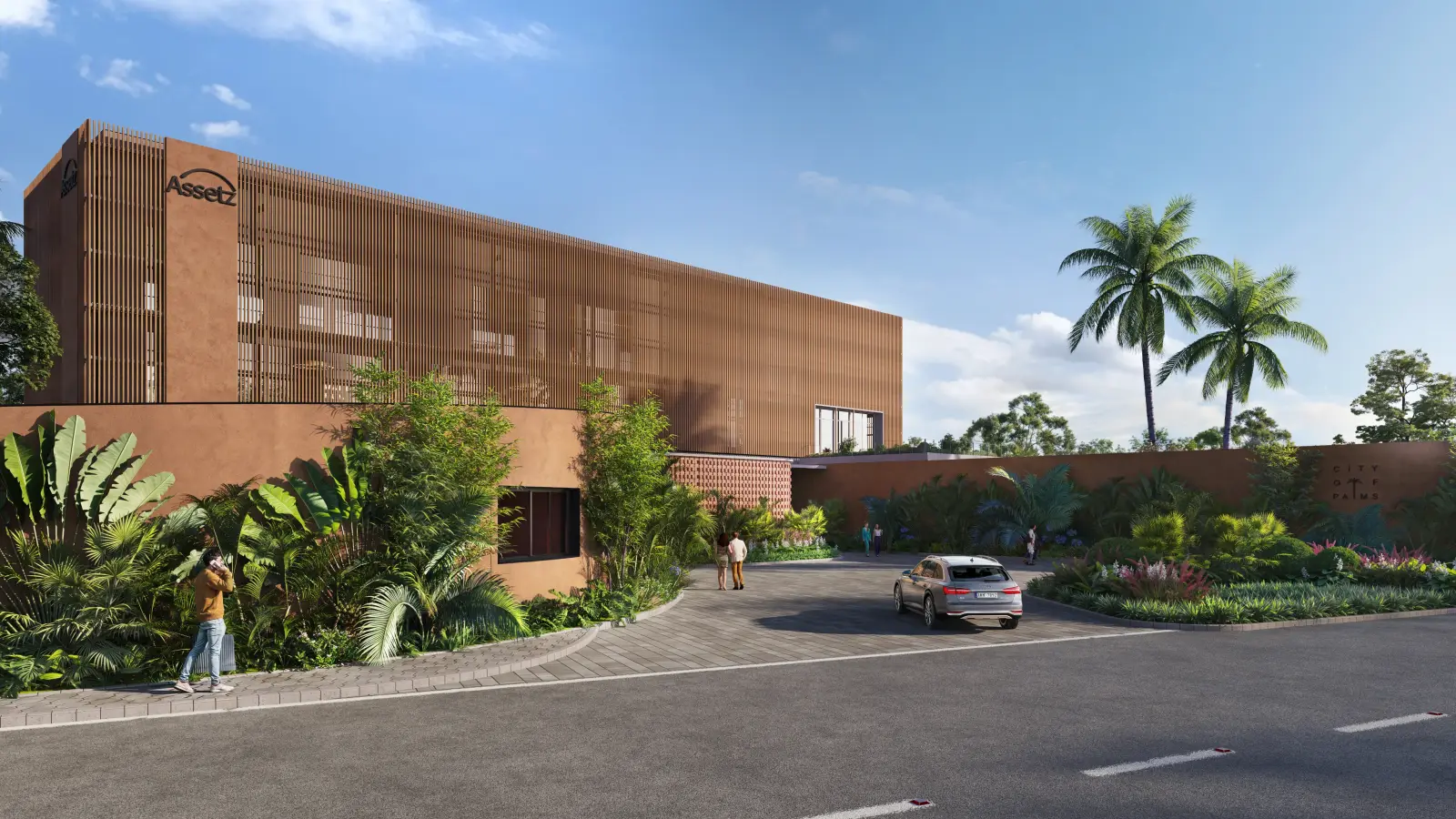
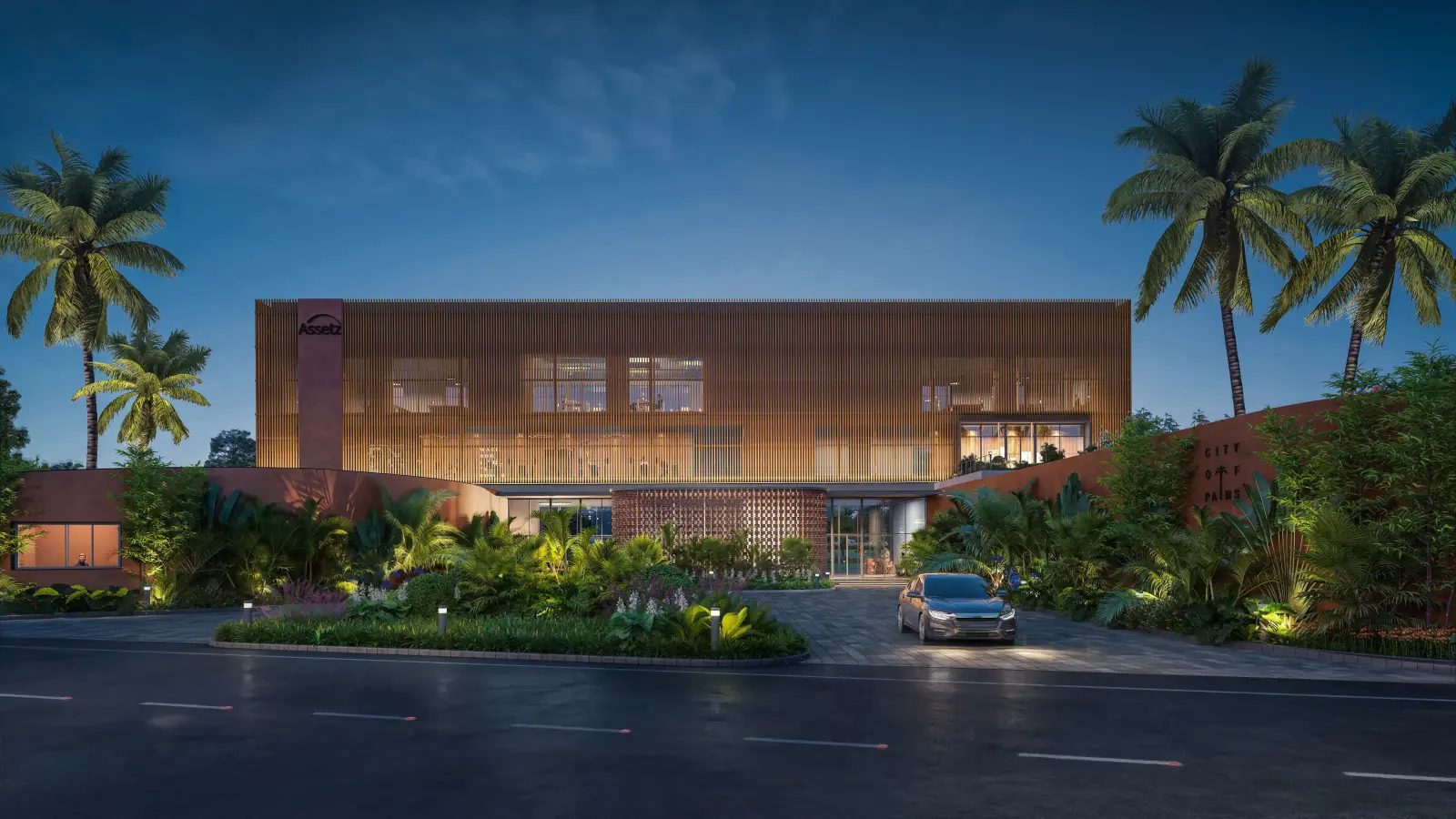
Last updated 25 November 2026. Figures on this page are as published by the developer at the time of writing; plot dimensions, plot count, price and completion date had not been published. Drive times shown are the developer’s own claims, reproduced as published and not independently measured. All images are developer renders or representative visuals, not photographs of a completed layout. Verify the RERA entry, the layout approval, the DC conversion order and the current price sheet before booking.
Overview
Project ID: 240
Type:PLOT
Share:



Write A Review
0 Reviews
0 out of 5
 Building
Assetz City of Palms IVC Road Bangalore: 35-Acre Plotted Development at Kundana, Devanahalli
PLOT
Bangalore, Karnataka