

Understanding Karnataka's Land Revenue

Quick answer: Karnataka land revenue is the tax the state levies on land, administered under the Karnataka Land Revenue Act 1964 through the Bhoomi portal. The RTC (Record of Rights, Tenancy and Crops) is the core document, showing ownership, survey number, extent and land classification. Buyers of any non-urban land should check the RTC before paying an advance.
Published: 24 July 2024 · Updated: 23 May 2026 · By L K Monu Borkala, CEO & Founder, OneCity Property - 15 years of property consultancy experience and over 20 years in marketing and management at OneCity Technologies Pvt. Ltd.
Introduction to Karnataka's Land Revenue Act:
The Karnataka Land Revenue Act is a law that organizes how land is used, taxed, and recorded in Karnataka. This law contains the rules regarding collection of taxes from the land owners by explaining the way they are calculated and paid to the government. The second part of this law concerns keeping accurate land records showing who owns each piece of land and helping to avoid disputes regarding ownership. The Act points out rights and obligations between landowners. That means they can sell or usee their land but also tax it and follow guidelines that exist about land use. With this article, property owners will have a clear overview of how this law can affect their land ownership as well as responsibilities.
Historical Background
The Karnataka Land Revenue Act has evolved and has been influenced by various historical developments and administrative reforms. Initially, the British introduced land revenue systems in India during the colonialperiod, with the primary aim of generating revenue for the government. Over the years, these systems underwent numerous changes to address the needs of a growing population and the complexities of land management.
Objectives of the Act
The primary objectives of Karnataka's Land Revenue Act are:
1. Systematization of Land Tax Collection: That land taxes should be collected in an orderly and intelligible manner.
2. Maintenance of Accurate Land Records: That there must exist, up-to-date records, which would reflect ownership of every piece of land.
3.Settlement of Disputes Regarding Land: There must be provisions regarding settlement of arguments about the land.
4.Protection of Rights of Landowners: There must be provision regarding the protection of rights of the landowners.
5. Land Use Efficiency: Helps the government manage and monitor land use more effectively.
These goals help bring in a fair, organized pattern of land use and holding in Karnataka.
Key Definitions
Land: In the context of Karnataka's Land Revenue Act, “land” refers to any area of the earth's surface defined and identified by specific boundaries. This includes agricultural, non-government lands.
Revenue: Revenue refers to the money earned from land, mostly collected through land taxes and other fees linked to owning or using the land.
Landholder: A “landholder” is any individual or entity with legal rights to own, manage, or lease a piece of land.
people also read: Conversion of Agricultural Land to Non-Agricultural
Structure of the Act
The Karnataka Land Revenue Act is structured into various sections and chapters, each dealing with specific aspects of land revenue administration. The Act encompasses land classification, revenue assessment, land records maintenance, and dispute resolution provisions.
Classification of Lands
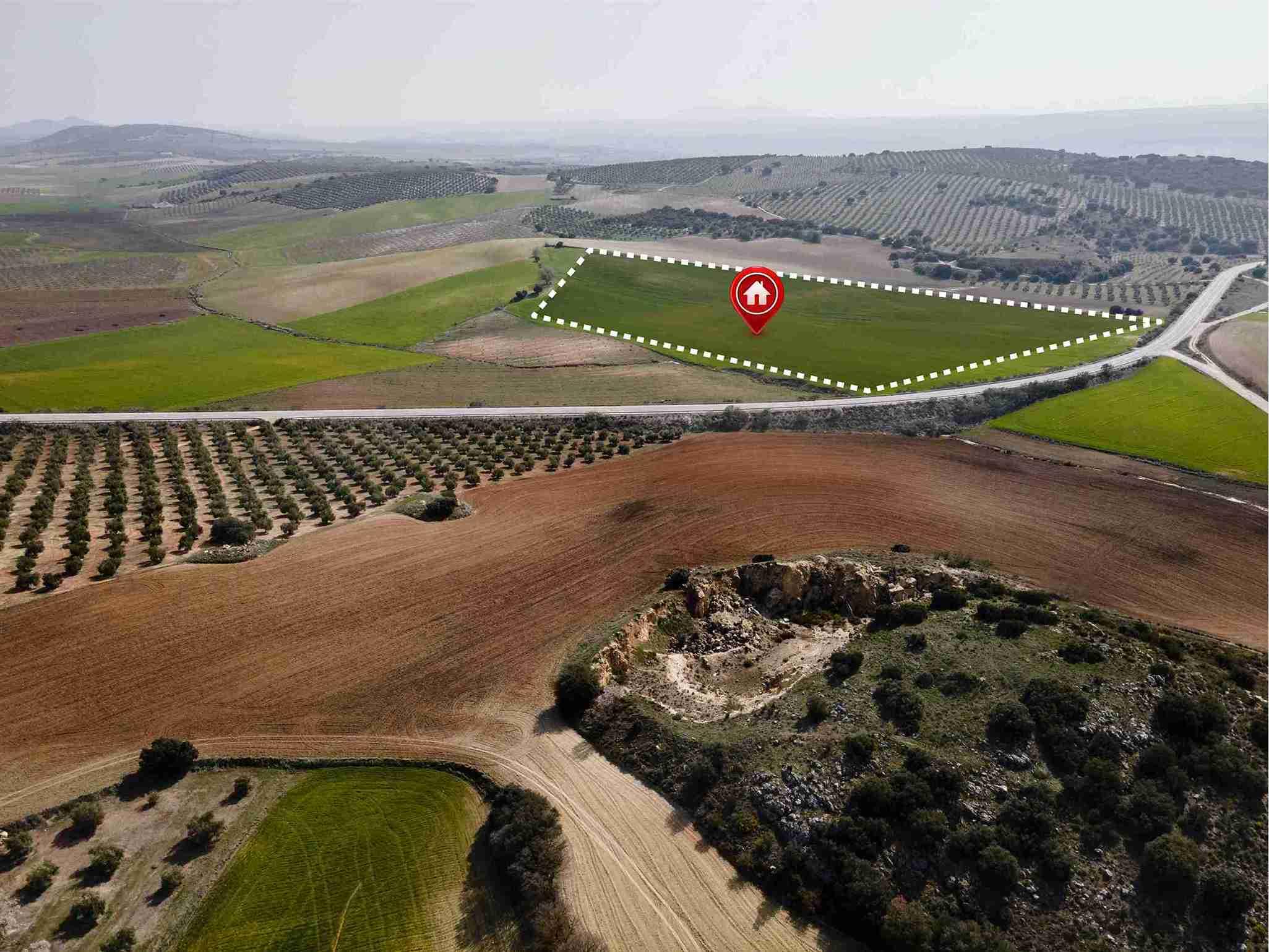
Agricultural Land:Agricultural land is primarily used for farming and cultivation purposes. It includes fields, orchards, and plantations.
Non-Agricultural Land:Non-agricultural land encompasses areas used for residential, commercial, industrial, and other non-farming purposes.
Government Land:Government land refers to areas owned and managed by the state for public use or administration.
Administration and Authorities
Roles of Revenue Officers: Revenue officers play a key function in implementing the provisions of the Act. They are responsible for assessing and collecting land revenue, maintaining land records, and overseeing the resolution of land-related disputes.
Duties of Revenue Inspectors: Revenue inspectors assist revenue officers in their duties. They conduct field inspections, verify land records, and maintain compliance with the Act's provisions.
Functions of Tahsildars: Tahsildars are senior revenue officials responsible for managing revenue administration at the taluk (sub-district) level. They oversee land surveys, revenue assessments, and dispute resolution within their jurisdiction.
Land Records and Their Importance
Types of Land Records:
Land Records is one of the important records which includes property deeds, survey records, revenue receipts, and mutationregisters. All these are records which prove the ownership of the land and other related transactions.
How to Obtain Land Records:
Copies of land records may be obtained by the owners or inhabitants from the revenue office concerned of the local district. Sometimes, it is also required to confirm ownership and pay some amount.
Importance of Accurate Land Records
Accurate records of the land are essential to solve the disputes over a piece of land, easily buy and sell property, determine who owns the land and is therefore the rightful owner, and calculate and collect proper land taxes.
Survey Process
Land surveys involve measuring and mapping land boundaries to create accurate land ownership and usage records. The process includes field measurements, data analysis, and the creation of survey maps.
Settlement Operations
Settlement operations refer to determining and recording land ownership and revenue liabilities. This includes updating land records, assessing land revenue, and resolving land boundaries and ownership disputes.
Land Revenue Assessment
Methods of Assessment
Land revenue can be assessed using various methods, such as:
1. Annual rental value.
2.The market value of the land.
3.Area-based assessment.
Assessment Process
The assessment process involves
- determining the value of the land
- calculating the applicable revenue and
- issuing demand notices to landholders.
Revenue officers conduct periodic assessments to maintain fairness and accuracy.
Revision of Assessment
Landholders can request a revision of their land revenue assessment if they believe it needs to be more accurate or fair. The revision process involves reviewing the valuation by higher revenue authorities.
Collection of Land Revenue

Payment Methods
Land revenue can be paid through various methods, including:
- Online payment portals.
- Banks and authorized payment centers.
- Direct payment at revenue offices.
Penalties for Non-Payment
Failure to pay land revenue on time can result in penalties, including fines, interest on overdue amounts, and legal actions such as property seizure.
Revenue Recovery Processes
If land revenue remains unpaid, the government can initiate recovery processes, including the attachment and auction of the land to recover the dues.
Rights of Landholders

Ownership Rights
The law allows landholders to own, use, and manage their land, including the right to sell, lease, or transfer it.
Transfer of Land
Land transfer involves legally transferring ownership from one party to another. This requires executing a sale deed, registering the transfer, and updating land records.
Succession and Inheritance
Landholders can pass on their land to heirs through succession or inheritance. This process involves legal procedures to transfer ownership to the rightful heirs.
Responsibilities of Landholders
Payment of Land Revenue
Landholders are responsible for paying land revenue promptly and maintaining compliance with revenue laws and regulations.
Maintenance of Land
Landholders must maintain their land well, preventing illegal encroachments and maintaining proper usage per the land classification.
Dispute Resolution Mechanisms
Types of Disputes
Common land-related disputes include boundary disagreements, ownership claims, and revenue assessment issues.
Resolution Processes
Disputes are resolved through mediation, arbitration, and legal proceedings in revenue courts. Revenue officers play a key role in helping with dispute resolution.
Role of Revenue Courts
Revenue courts handle cases related to land revenue disputes, maintaining fair and just resolution by the law.
Penalties and Punishments
Common Offenses
Common offences under the Act include non-payment of land revenue, illegal encroachments, and falsifying land records.
Penalties Imposed
Penalties for offences include fines, imprisonment, and the confiscation of land or property.
Amendments and Revisions to the Act
Significant Amendments
The Act has undergone several amendments to address changing needs and challenges in land revenue administration. Significant amendments include changes to assessment methods, dispute resolution processes, and penalties.
Current Status
The Act's current status reflects the latest amendments and revisions, maintaining its relevance and effectiveness in contemporary land revenue administration.
Impact of the Act on Property Owners
Benefits
The Act provides a clear legal framework for land revenue administration, protecting the rights of landholders and helping with efficient land management.
Challenges
Challenges faced by property owners include navigating complex legal procedures, dealing with bureaucratic delays, and resolving disputes effectively.
Case Studies
Successful Implementation
Case studies of successful implementation highlight best practices in land revenue administration, showcasing efficient revenue collection, accurate land records maintenance, and effective dispute resolution. One such example is the digitization of land records in Karnataka, which has simplified the process of accessing and verifying land records for property owners. This initiative has reduced the time and effort required to obtain land records and minimized instances of fraud and discrepancies in land ownership.
Case Study 1: Digitization of Land Records In recent years, Karnataka has made significant strides in digitizing land records under the BhoomiProject. This initiative aimed to create a comprehensive digital land records database, making it easier for property owners to access and verify their land details online. The Bhoomi Project has been praised for its efficiency and transparency reducing the need for physical visits to revenue offices and enabling faster resolution of land-related disputes.
Case Study 2: Effective Dispute Resolution Another successful implementation is the establishment of revenue courts dedicated to resolving land-related disputes. These courts have specialized judges and simplified procedures that focus on expeditious resolution of cases. An example is the resolution of a long-standing boundary dispute in a rural village in Karnataka, where the intervention of the revenue court led to an amicable settlement between the parties, confirming that both landholder's rights were upheld.
Conclusion
Understanding Karnataka's Land Revenue Act is crucial for property owners to manage the complexities of land management and administration. The Act provides a strong framework for land revenue assessment, collection, and dispute resolution, verifying the rights and responsibilities of landholders are well-defined and protected. By staying informed about the provisions of the Act, property owners can better manage their land, comply with legal requirements, and resolve any disputes that may arise.
FAQs
1.What is the purpose of Karnataka's Land Revenue Act?
The Act aims to establish a systematic approach to land revenue collection, maintain accurate land records, protect landholders rights, and provide a legal framework for resolving land-related disputes.
2.How can I obtain land records in Karnataka?
Land records can be obtained by submitting a request to the local revenue office or accessing the digital database through the Bhoomi Project's online portal.
3.What are the penalties for non-payment of land revenue?
Penalties for non-payment of land revenue include fines, interest on overdue amounts, and legal actions such as property seizure and auction.
4.How are land disputes resolved under the Act?
Land disputes are resolved through mediation, arbitration, and legal proceedings in revenue courts, with revenue officers playing a key function in helping with the resolution process.
5.What rights do landholders have under the Act?
Landholders can own, use, manage, sell, lease, or transfer their land by the law. They also have the right to pass on their land to heirs through succession or inheritance.
6.What responsibilities do landholders have under the Act?
Landholders are responsible for paying land revenue promptly, maintaining their land in good condition, preventing illegal encroachments, and maintaining proper usage per the land classification.
7.How has digitization impacted land revenue administration in Karnataka?
Digitization has simplified the process of accessing and verifying land records, reduced instances of fraud and discrepancies, and helped with faster resolution of land-related disputes through initiatives like the Bhoomi Project.
8.Have there been any recent amendments to the Act?
Yes, the Act has undergone several amendments to address changing needs and challenges in land revenue administration, including changes to assessment methods, dispute resolution processes, and penalties.
9.What challenges do property owners face under the Act?
Property owners face challenges such as navigating complex legal procedures, dealing bwith bureaucratic delays, and effectively resolving disputes.
10.How can I verify my land records are accurate?
Property owners should regularly verify their land records, promptly report any discrepancies to the local revenue office, and usee digital platforms like the Bhoomi Project for accurate and up-to-date information.
11.What is the role of revenue officers under the Act?
Revenue officers are responsible for assessing and collecting land revenue, maintaining land records, and overseeing the resolution of land-related disputes.
12.How is land revenue assessed?
Land revenue is assessed using various methods, such as annual rental value, market value of the land, and area-based assessment, with periodic reviews to maintain fairness and accuracy.
13.Can I request a revision of my land revenue assessment?
Yes, landholders can request a revision of their land revenue assessment if they believe it is inaccurate or unfair by submitting a request to higher revenue authorities for review.
14.What happens if I fail to pay my land revenue?
Failure to pay land revenue on time can result in penalties, including fines, interest on overdue amounts, and legal actions such as property seizure and auction.
15.What is the significance of maintaining accurate land records?
Accurate land records are crucial for resolving disputes, helping with property transactions, maintaining rightful ownership, and efficiently collecting land revenue.
16.How does the Act protect the rights of landholders?
The Act provides a clear legal framework that defines the rights of landholders, maintains fair assessment and collection of land revenue, and offers mechanisms for dispute resolution and protection against illegal encroachments.
17.What should I do if I encounter a land-related dispute?
If you encounter a land-related dispute, you should report it to the local revenue office, seek mediation or arbitration, and, if necessary, pursue legal proceedings in the revenue courts.
18.How are government lands classified under the Act?
Government lands are classified as areas owned and managed by the state for public use or administration, including reserved lands for specific purposes.
19.What is the role of Tahsildars in land revenue administration?
Tahsildars are
1.senior revenue officials responsible for managing revenue administration at the 2.taluk (sub-district) level
3.overseeing land surveys
4.revenue assessments, and the resolution of disputes within their jurisdiction.
20.How can I transfer ownership of my land?
To transfer ownership of your land, you must execute a sale deed, register the transfer with the local revenue office, and update the land records to reflect the new ownership.
21.What are the common offences under the Act?
Common offences under the Act include non-payment of land revenue, illegal encroachments, falsification of land records, and unauthorized use of agricultural land for non-agricultural purposes.
22.How are penalties for offences determined?
Penalties for offences are determined based on the nature and severity of the offence e, with fines, imprisonment, and confiscation of land or property being common penalties.
23.How has the Act evolved?
The Act has evolved through various amendments and revisions to address changing needs and challenges in land revenue administration, incorporating modern practices and technologies for efficient land management.
24.What is the importance of land surveys?
Land surveys are essential for measuring and mapping land boundaries, creating accurate records of land ownership and usage, and maintaining proper assessment and collection of land revenue.
25.How does the Act help with efficient land management?
The Act helps with efficient land management by providing a clear legal framework for land revenue administration, maintaining accurate land records, and verifying the rights and responsibilities of landholders are well-defined and protected.
Future Prospects and Improvements
Karnataka's Land Revenue Act is poised to continue evolving, focusing on incorporating new technologies and practices to enhance land management and revenue collection. Prospects include further digitization, increased transparency, and more efficient dispute-resolution mechanisms.
Digitization and Technology Integration
Integrating advanced technologies such as Geographic Information Systems (GIS),blockchain for land record management, and artificial intelligence for predictive analytics in land revenue assessment can reshape land administration. These technologies can verify more accurate land records, prevent fraud, and simplify administrative processes.
Increased Transparency
The Karnataka government is likely to expand public access to land records and revenue information to increase transparency. Online portals and mobile applications can provide property owners real-time updates on their land status, revenue dues, and dispute resolutions, supporting greater trust in the system.
Efficient Dispute Resolution
Future improvements may also include establishing specialized revenue courts and mediation centers to handle land-related disputes more efficiently. This can reduce the backlog of cases and provide quicker resolutions, benefiting property owners and maintaining justice.
Policy Recommendations
To further strengthen the Karnataka Land Revenue Act and its implementation, several policy recommendations can be considered:
1. Regular Updates to Legislation: Continuous updates to the legislation to address emerging challenges and incorporate best practices in land revenue administration.
2. Capacity Building: Training programs for revenue officers, inspectors, and other stakeholders to enhance their skills and knowledge in modern land management practices.
3. Public Awareness Campaigns: Initiatives to educate property owners about their rights and responsibilities under the Act, the importance of maintaining accurate land records, and the procedures for resolving disputes.
4. Collaboration with Technology Partners: Partnerships with technology firms to develop and implement advanced solutions for land record management, revenue assessment, and dispute resolution.
Conclusion
Karnataka's Land Revenue Act is a critical piece of legislation that verifies the systematic administration of land revenue, protection of landholder rights, and maintenance of accurate land records. Understanding the Act is essential for property owners to effectively manage their land and comply with legal requirements. With ongoing improvements and adaptations to modern technologies, the Act is set to continue playing a key function in Karnataka's land revenue
people also read: Impact of Karnataka Land Reforms Act on Property Ownership
Revenue records establish land history, but it is the sub-registrar stamp at registration that creates legally enforceable ownership in Karnataka - the property registration process for 2026 covers what changed after the Kaveri 2.0 mandatory online submission requirement came into effect.
After a sale, revenue records continue showing the previous owner until property mutation in Karnataka is completed - buyers who skip this step face serious title objections when attempting to sell or use the property as loan collateral two years later.
Disclaimer: All project names, logos, images, floor plans, and trademarks on this page are the exclusive intellectual property of their respective developers and owners, reproduced here for informational purposes only. Prices, specifications, and possession timelines are subject to change - verify all details directly with the developer before any purchase decision. OneCity Property is an independent information portal and is not liable for any loss arising from reliance on this information. Read our full Disclaimer →
Need expert property advice?
OneCity Property offers independent advisory across Bangalore, Mangalore and Mysore — zero commission for buyers on projects under ₹1 Cr.
💬 WhatsApp Us📞 Call 7676870876


News insight
 12/09/2026
Builder-Buyer Agreement Karnataka: Key Clauses, RERA Rules, and What to Negotiate Before Signing
Guide to builder-buyer agreements in Karnataka. Covers RERA-mandated clauses, possession delay penal...
12/09/2026Resale Flat Checklist Bangalore: 15 Documents and Verification Steps Before You Buy
Complete checklist for buying a resale flat in Bangalore. Covers title deed verification, EC, Khata...
11/09/2026Sale Deed Format Karnataka: Must-Have Clauses, Registration Process, and Common Mistakes
Complete guide to sale deed format in Karnataka. Covers the essential clauses every sale deed must c...