
Habitability Standards and the Compliance Duties of Property Owners
Published: 30 July 2026 | Updated: 1 August 2026 | By L K Monu Borkala, Senior Property Advisor, 20+ Years Bangalore & Karnataka Real Estate
Want to keep tenants safe and avoid expensive legal trouble?
Owners of properties have legal obligations when it concerns habitability. They're not guidelines but enforceable standards that ensure tenants have safe homes. Many landlords are going to be surprised at just how detailed the regulations are regarding air conditioners.
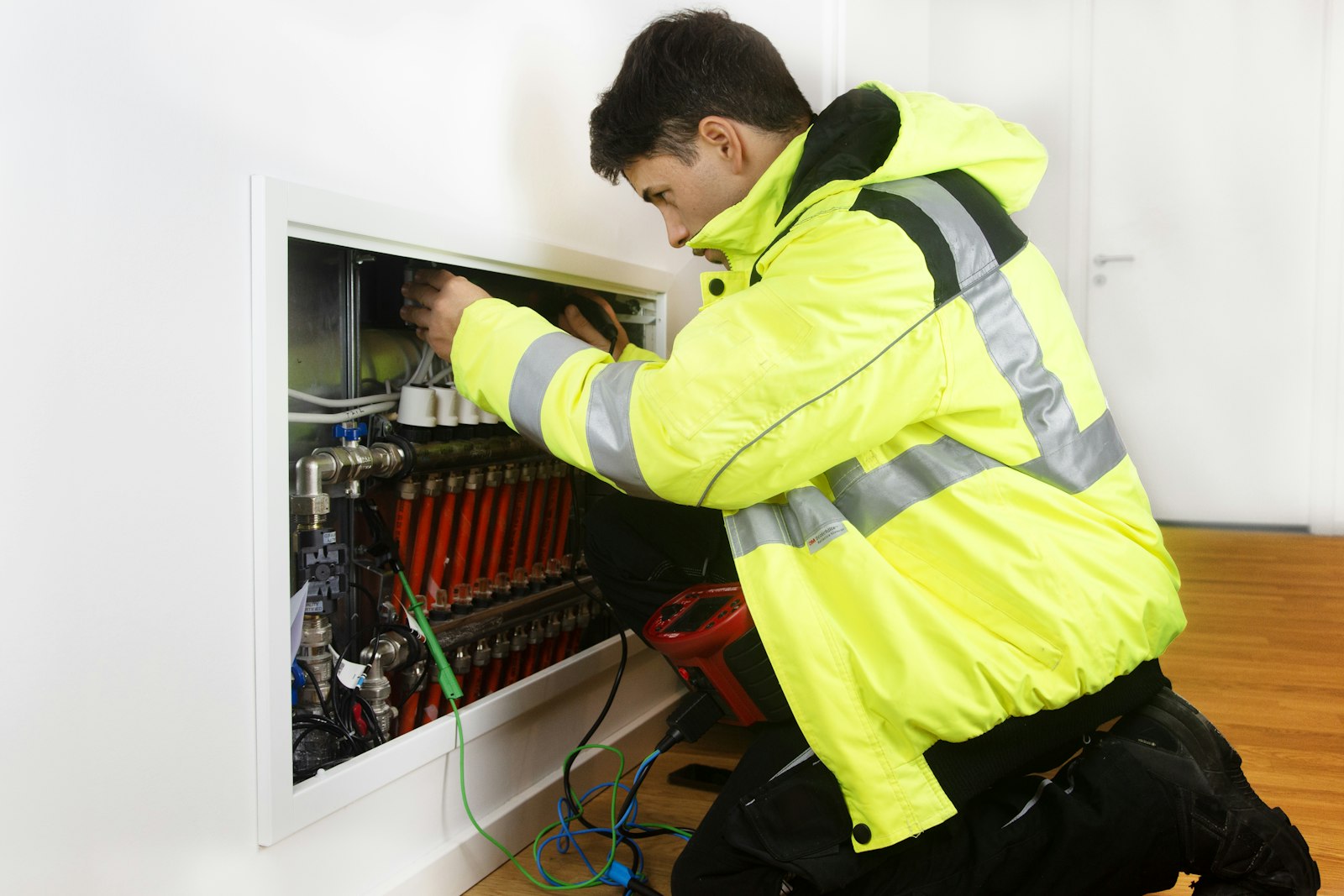
Here's the thing:
Having a functioning HVAC system is often considered an implied requirement for a habitable rental property. Neglecting annual AC maintenance could leave a landlord open not only to a miserable summer, but also in violation of their compliance responsibilities.
This guide breaks down exactly what property owners need to know.
Here's What's Inside:
- Why Habitability Standards Matter
- The Core Compliance Duties Owners Must Meet
- Why an AC Tune-Up Is a Compliance Essential
- Documentation & Response Times
- What Happens When Owners Skip Maintenance
Why Habitability Standards Matter
Habitability standards exist for one simple reason...
Ensure rental properties meet standards of safety, cleanliness and habitability. States have different ways of describing this concept, but the principle is universal. When a dwelling is uninhabitable, the landlord is responsible.
For rental properties, that responsibility becomes even more important when it comes to AC. If a rental unit comes with air conditioning as part of the lease or if the climate logically assumes it, the landlord is responsible for maintaining it. A preventative AC tune up is where that begins. Farrell Air Conditioning has promised to help landlords stay ahead of these problems by making routine tune-ups easy.
Why does this matter so much?
Because tenants have real legal remedies when habitability standards aren't met, including:
- Withholding rent
- Repair-and-deduct actions
- Breaking the lease with no penalty
- Filing formal complaints with local housing authorities
None of these scenarios are beneficial to a homeowner. Preventative maintenance can help avoid most of these situations.
The Core Compliance Duties Owners Must Meet
Landlords have a number of obligations that they must meet in order to comply with the implied warranty of habitability. These obligations vary depending on state law, local housing codes, and the implied warranty itself.
The most common duties include:
- Providing working plumbing, electricity, and gas
- Keeping heating systems in working order
- Maintaining structural integrity
- Handling pest control
- Responding to repair requests within a reasonable time
- Meeting local building codes
In most jurisdictions a home must have heating that can keep living areas at or above 70° F during the winter months. California has this requirement codified in its civil code.
Cooling is where things get less clear.
Air conditioning is not federally mandated and only a few states consider it a requirement. However, that doesn't absolve owners of responsibility. If it's offered with the unit or in the lease, it should be maintained. A few cities have even begun implementing indoor temperature ordinances that render cooling a habitability concern in summer months.
And that changes the game entirely for owners in warm climates.
Why an AC Tune-Up Is a Compliance Essential
Here's what most property owners miss...
An AC tune-up isn't just about tenant comfort. It's about compliance. Failure to perform regular maintenance is one of the quickest ways to find yourself with an emergency repair, an angry tenant and a habitability complaint on your desk.
Statistics prove it. Did you know preventative HVAC maintenance can save you approximately $4 for every $1 you spend on preventative maintenance? Preventative maintenance also reduces the chance you'll have an untimely breakdown of your system.
A proper AC tune-up covers:
- Cleaning coils and filters
- Checking refrigerant levels
- Inspecting electrical connections
- Testing thermostat calibration
- Lubricating moving parts
- Looking for leaks or worn components
Routine maintenance can add another 5 to 7 years to the life of your system as well. Money in your pocket instead of going up in smoke on premature equipment replacement.
And here's the kicker...
Did you know routine maintenance can reduce energy usage by 5-20% annually according to the U.S. Department of Energy? Lower utility bills, extended equipment life, and a fully operational and compliant unit...all achieved with just one service call per year.
Documentation & Response Times
This part is huge and most owners get it wrong.
One thing to understand about habitability compliance is... It doesn't matter if you did the work. If a tenant complains, the court wants to see RECORDS of you doing the work. If you have no records, you have no defense.
Every owner should keep:
- Dated invoices from every AC tune-up
- Photos before and after repairs
- Written copies of service requests from tenants
- Signed acknowledgments when work is done
- A log of every contractor visit
Timelines are important as well. Emergency repairs usually have a timeframe of 24-72 hours. Requests without urgency usually fall between 7-30 days depending on the repair. Falling behind these deadlines can easily escalate a small problem to a complete lawsuit.
Good documentation also defends owners against false claims. If a tenant claims a repair was never completed, a signed invoice and dated photo quickly refute that assertion.
What Happens When Owners Skip Maintenance
Let's talk about the worst-case scenario.
An owner neglects to get their AC tuned up annually. It malfunctions during a hot spell. The tenant grumbles. Now the owner has to deal with:
- Emergency repair bills that can run into the thousands
- Potential rent withholding
- A habitability lawsuit
- Damaged tenant relationships
- Possible fines from local housing authorities
Compare that to the cost of a simple tune-up. There's really no comparison.
Wait, there's more. A poorly maintained AC unit can also lead to secondary issues such as mold growth, poor indoor air quality and even electrical issues. Each of those is a habitability issue by itself.
The takeaway is simple:
Neglecting maintenance doesn't save money. You just incur a larger expense later, plus legal liability.
The Bottom Line
Building habitability standards aren't going away, they're only becoming more stringent. Indoor temperature/AC requirements are becoming stricter nationwide. Property owners who prepare now will avoid headaches later.
Here's the plan every owner should follow:
- Schedule an annual AC tune-up before summer hits
- Keep detailed records of every service and repair
- Respond to tenant complaints inside the required time window
- Understand the local habitability laws that apply
- Work with a trusted HVAC provider who understands compliance
Compliance responsibilities can seem like an overwhelming burden. Once you get down to it however, the vast majority of them require only two things: consistent upkeep and proper documentation.
If you get those two things right most habitability problems just won't happen.



News insight
 25/07/2026
Inheritance and Succession Property Rules: Mangalore Context
Aliyasantana history still affects Mangalore property titles today. Inheritance, succession certific...
 24/07/2026
Building Plan Approval Process: Mangalore City Corporation
MCC own building plan approval process, distinct from Bangalore BBMP - including the 2024-launched B...
 24/07/2026
RERA Karnataka Registration Check for Mangalore Projects
How to verify any Mangalore project RERA registration directly on the official Karnataka portal - st...