

Resale Plots vs New Plots: Which Should You Buy in Bangalore?

Quick answer: A resale plot in an established Bangalore layout gives immediate infrastructure, clear neighbourhood character and often A-Khata, but at a higher price and with a longer title chain to verify. A new layout plot costs less with appreciation potential, but carries delivery risk on roads, water and electricity, and approval status needs careful checking.
Published: 7 May 2025 · Updated on: 23 May 2026 · By L K Monu Borkala, CEO & Founder, OneCity Property — 15 years of property consultancy experience and over 20 years in marketing and management at OneCity Technologies Pvt. Ltd.
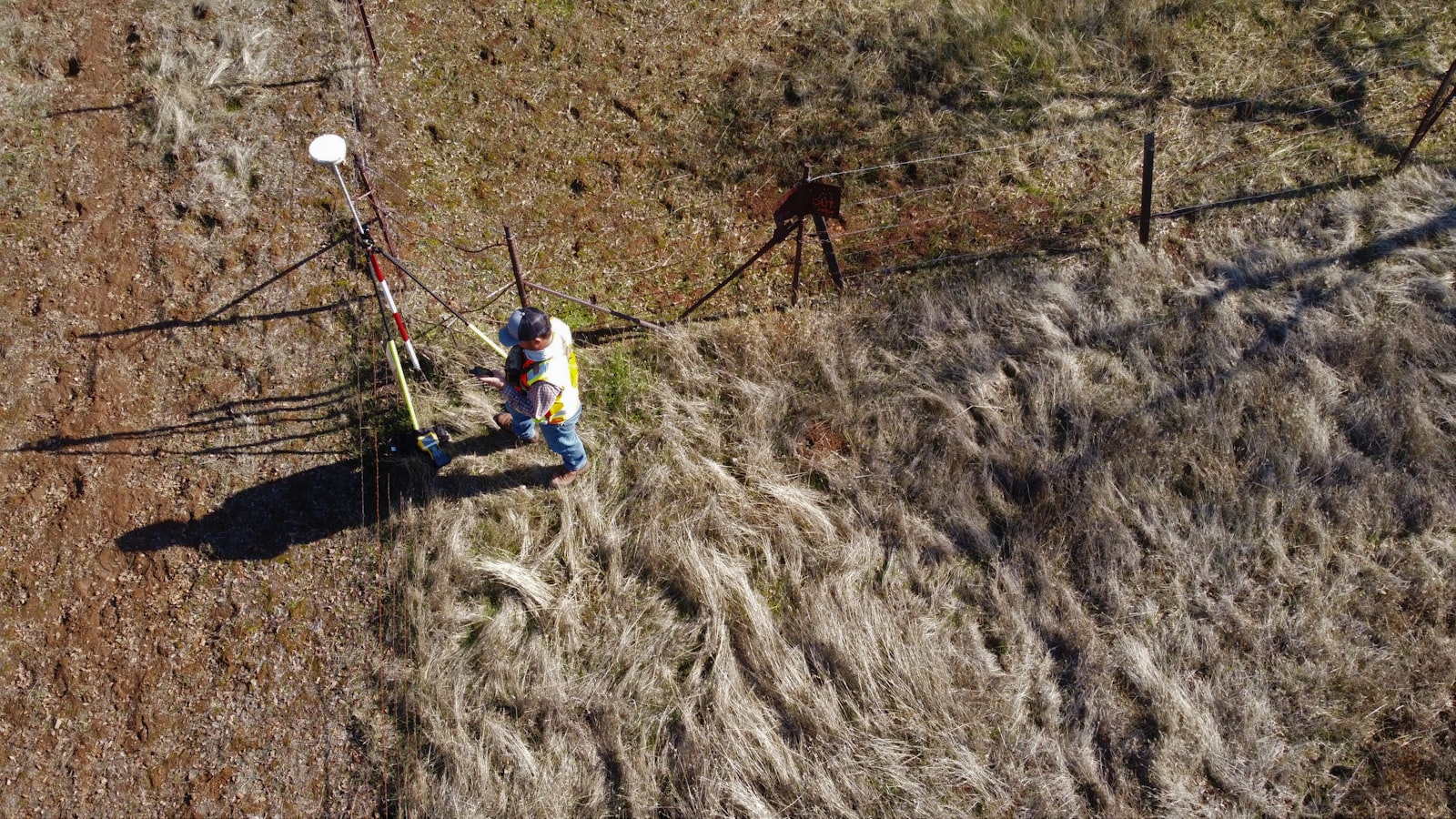
The choice between a resale plot and a new developer plot in Bangalore is not simply about price. It is about which category of risk you are more comfortable carrying, what your timeline for construction is, and whether you want to see the actual infrastructure before you pay or trust a developer's plan. Both categories have buyers who make the right choice. Both also have buyers who choose wrong because they did not understand what they were actually comparing.
This guide maps the full comparison across nine dimensions: price and premium, infrastructure reality, title risk profile, RERA coverage and its limits, BDA resale as its own special category, bank loan considerations, negotiability, appreciation potential, and the specific red flags that apply to each type. The goal is a clear decision framework, not a generic "both have pros and cons" conclusion, but a specific answer for your specific situation.
What Is the Actual Price Difference Between Resale and New Plots in Bangalore in 2026?
A new developer plot in a RERA-registered, BMRDA-approved layout in an emerging Bangalore corridor, Sarjapur outer belt, Devanahalli STRR belt, Bagalur Road, typically commands a twenty to forty percent premium over a resale plot with comparable documentation in a comparable location. This premium has multiple components: the developer's land acquisition cost, the layout formation cost (roads, drainage, utilities, compound wall), the approval charges (BMRDA fees, RERA registration), the developer's profit margin, and the marketing cost embedded in every launch price.
On a twelve hundred square foot plot in Dommasandra at current market rates, the resale-versus-new spread looks like this in practice: a resale BDA-allotted 30×40 plot with clean title transacts at ₹78 - ₹95 lakh (₹6,500 - ₹7,900 per sqft) based on Kaveri 2.0 registered transactions. A new BMRDA-approved developer layout in the same sub-market launches at ₹90 - ₹1.1 crore (₹7,500 - ₹9,200 per sqft) for comparable specifications. The new plot buyer is paying a 15 - 25% premium for the developer's layout infrastructure and RERA registration, and accepting that the infrastructure shown on the brochure plan may not fully exist on the ground at the time of purchase.
The Kaveri 2.0 benchmarking point is critical for resale buyers. Before accepting any resale asking price, pull the last three to five registered transactions for similarly-sized plots in the same layout on kaveri.karnataka.gov.in. Registered transaction values, not listing portal prices, are the factual benchmark. Listing prices for resale plots in Bangalore are frequently ten to twenty percent above the price at which transactions actually complete. Use registered data, not listing data, to establish your negotiating floor.
Infrastructure, The Gap Between Plan and Reality
This is the dimension where the comparison is most consequential and least discussed in standard buying guides. When you buy a resale plot in an established layout, a BDA-allotted site in Kengeri, or a resale in a BMRDA layout in Hoodi, you are standing on or near the actual plot. The road in front of you is either there or it is not. The drainage works or it does not. The streetlights are functional or they are absent. You are buying based on observable reality.
When you buy a new plot in a developer layout, you are buying a plan. The brochure shows internal roads, a clubhouse, a park, boundary walls, and utilities. What is actually on the ground at the time of sale may be significantly different, sometimes just formed internal roads and a compound wall, with all other amenities in various stages of promise versus delivery. The distance between the brochure and the ground truth is where the most common plot investment disappointments in Bangalore occur.
RERA mandates quarterly construction progress updates and prohibits developers from changing the sanctioned plan significantly without buyer consent. It provides a legal complaint mechanism. What it cannot do is prevent a developer from delivering a layout where the park space is not maintained, the clubhouse is never built to specification, or the internal roads are formed to sub-standard widths. RERA protects against non-delivery of the project itself, it provides limited recourse for quality shortfalls in amenities that were delivered at a lower standard than promised.
The infrastructure delivery risk is systematically lower for resale plots. When you buy resale, the layout's infrastructure has either been delivered and is visible, or its absence is visible and can be priced into the negotiation. When you buy new, you are accepting delivery risk for a period that may extend 12 - 36 months after purchase, during which the developer's financial health, project management capacity, and commitment to the original plan all remain unknowns.
Title Risk, Different Risk Profiles, Not One Universally Safer
The conventional wisdom is that new plots have cleaner titles than resale plots. This is partially true, but the full picture is more nuanced. Here is how the title risk profiles actually differ:
Resale plot title risk: The title chain is older and longer. A 30×40 BDA-allotted site in Banashankari has a chain going back to a 1970s or 1980s BDA allotment, through one or more sale deeds, to the current seller. Each transaction in that chain is a point where a documentation error, an undisclosed mortgage, an unregistered family transfer, or a legal dispute could have created a defect. The risk is historical, it exists in the past and requires a thorough title search to identify. If the title chain is clean after a complete verification (thirty-year EC, Bhoomi RTC, physical SRO search), it is typically very clean, the time test itself filters out most major defects.
New developer plot title risk: The title chain is shorter and more recent, but the risk is different in character. The developer's land acquisition may have been from multiple agricultural land parcels, consolidated and converted, introducing hissa-level conversion issues, potential tenancy record problems, or acquisition of land that was subject to revenue dispute or restriction that the developer did not fully disclose. The RERA registration verifies that the developer has submitted disclosures, it does not independently verify the accuracy of those disclosures. A developer's RERA filing may show clear title while underlying land issues exist that will only surface when an individual buyer attempts to register their specific plot or build.
The BDA resale exception: BDA-allotted sites from the 1970s through 2000s are a special category within resale. The BDA Allotment Letter as the mother deed, a government document from a statutory authority, is arguably a stronger title anchor than a recently-consolidated private agricultural land parcel that a developer acquired for a new layout. The risk in BDA resale is operational (are all ground rent arrears cleared, has the leasehold been converted to freehold), not documentary (the BDA records exist and are verifiable). An experienced plot buyer who knows how to verify BDA records and clear conversion charges will often find BDA resale lower-risk than a new developer layout on consolidated agricultural land.
RERA Coverage, What It Applies To and Where It Stops
RERA registration is mandatory for developer layouts with more than twenty plots or covering more than five hundred square metres of land area. RERA registration gives the buyer three specific protections: a legally committed project completion timeline; a dedicated bank account where the developer must park a defined percentage of collections (protecting against fund diversion); and a formal complaints mechanism with the RERA adjudicating officer for disputes on delivery, specifications, or timeline.
RERA does not apply to resale plots. A resale transaction between two individuals, even for a plot in a RERA-registered developer layout, is not governed by RERA. The original buyer has RERA protection during the under-construction phase. The resale buyer is outside RERA's scope entirely, their protections are the standard property law provisions (Registration Act, Transfer of Property Act) rather than RERA's regulatory framework.
The practical implication: if a developer defaults on a new plot, fails to complete the layout, diverts funds, or abandons the project, a RERA-registered buyer has a defined complaint and recovery mechanism. The complaint goes to the RERA adjudicating officer, who can order refund with interest or compel completion. This mechanism has been used with varying effectiveness across Karnataka, RERA has more teeth for large apartment projects than for small plotted layouts where developer insolvency can make recovery practically difficult regardless of orders. But the mechanism exists for new plots. It does not exist for resale.
What RERA does not protect against in new developer plotted layouts: quality shortfalls in infrastructure delivery that fall below what was promised but above the legally unacceptable threshold; delays that were technically covered by force majeure provisions in the agreement; and layout amenities that were "planned" in the disclosures but not formally committed with specifications.
Bank Loan Considerations: Do New or Resale Plots Have Better Financing Options?
Both resale plots and new developer plots can attract bank loans. The conditions differ:
For resale plots with clean documentation, thirty-year EC with no encumbrances, BBMP A-Khata or BMRDA E-Khata in the seller's name, DC conversion complete, RERA-registered layout if from a developer, SBI, HDFC, Axis Bank, and most scheduled lenders will process plot loans up to sixty to seventy percent of the registered value (lower LTV than for apartments). The loan processing time is longer than for apartments because plot documentation requires more detailed legal verification.
For new developer plots in RERA-registered layouts, many banks have pre-approved specific projects, meaning the developer has already done the legal documentation work with the bank, and buyers in that layout get faster loan processing and potentially better LTV (up to seventy to eighty percent for pre-approved projects). This is a genuine advantage of new developer layouts over individual resale transactions where the buyer must do the documentation work from scratch.
Plot loans carry a specific tax consideration: the interest on a plot loan is not eligible for Section 24(b) income tax deduction (unlike home loan interest) until construction begins and is completed. Once a house is constructed on the plot, the interest on the construction portion of the loan becomes eligible. Pure plot loans without construction have less favourable income tax treatment than apartment home loans, factor this into the financial comparison, particularly for buyers in the thirty percent tax bracket where the home loan interest deduction is meaningful.
Negotiability, Where Each Category Gives You use
Resale plots are significantly more negotiable than new developer plots. A resale seller is an individual with a specific motivation for selling, often a liquidity need, relocation, or inherited property disposal. The Kaveri 2.0 registered price data gives you a factual benchmark for negotiation. If the last three registered transactions in the same layout at the same survey area were at ₹78 - ₹85 lakh, and the seller is asking ₹95 lakh, you have a documented basis for a counter-offer. The seller knows you have this data. Negotiations in resale typically close ten to fifteen percent below the initial asking price when the buyer is informed and patient.
New developer plots have significantly less negotiating room. Launch prices are set by the developer's pricing model, and most developers maintain price integrity across buyers in the same launch to prevent early buyers from feeling disadvantaged. Discounts are more likely to appear as added value (free covered parking, extra plot square footage, deferred payment plan) than as direct price cuts. Some flexibility exists at the margins, particularly for bulk purchases (buying multiple plots) or for later phases of a launch when the developer has met their initial absorption targets. But the headline price is rarely moved by the same percentage that resale prices are.
Appreciation Potential, Which Category Has More Remaining Upside?
This question does not have a universal answer, it depends entirely on the specific location and its position in the appreciation cycle.
New plots in emerging corridors, the STRR belt in Devanahalli, the Sarjapur-Attibele outer stretch, Bagalur Road, are bought at prices that do not yet fully reflect the infrastructure that is coming. When the STRR opens, when metro connectivity arrives, when SWIFT City employment is established, these plots will reprice upward. The buyer is paying a developer premium but capturing appreciation that has not yet occurred. The risk is that the infrastructure takes longer than expected.
Resale plots in established corridors, Kengeri, Hoodi, older Sarjapur Road layouts, Hebbal BDA sections, have already captured much of their infrastructure-linked appreciation. The land is finite, the supply of resale plots is limited, and the established nature of the area supports steady demand. The upside is more moderate but more certain, appreciation follows area demand rather than infrastructure speculation.
The comparison is fundamentally between a lower-risk, lower-upside resale in an established area and a higher-risk, higher-upside new plot in an emerging one. Both are valid investment theses. The right choice is the one that matches your timeline and risk tolerance, not the one that abstractly offers "more appreciation potential."
What Are the Red Flags Specific to Each Plot Type?
For resale plots, the red flags that indicate a problematic transaction: a seller who cannot produce the original mother deed (BDA Allotment Letter, Saguvali Chit, or first registered sale deed); an EC that shows any mortgage without a corresponding registered release deed; a Bhoomi RTC that still shows agricultural land classification for your specific hissa; and a Khata that shows a name other than the current seller. These are documentation failures that indicate either historical problems in the title chain or ongoing concealment by the seller.
For new developer plots, the red flags are different in character: a developer who markets the project as "RERA applied" without a confirmed registration number on rera.karnataka.gov.in; a project page with no quarterly progress updates for two or more quarters after launch; a developer whose other completed projects show RERA complaints for incomplete amenities or delayed handover; a brochure that uses artistic renderings of a clubhouse, park, and trees without any contractual commitment to these specific amenities in the signed agreement; and a project where the payment plan is "time-linked" rather than "construction-linked", meaning you pay by calendar date regardless of whether the infrastructure is delivered.
The Seven-Question Decision Framework
For any buyer trying to decide between resale and new, answering these seven questions makes the right choice clear for their specific situation:
Question 1: When do you want to begin construction? If immediately or within six months, resale only, new layouts are not construction-ready immediately. If your construction timeline is three years or more, new developer plots become viable.
Question 2: What is your risk tolerance on documentation? If you have a property lawyer who can do a thorough title search and you are comfortable with complexity, resale can offer better value. If you want the relative simplicity of a developer's consolidated documentation, new plots reduce the verification burden (while introducing developer risk).
Question 3: Are you buying for appreciation in an emerging corridor? If yes, new plots in the emerging corridor are typically the right choice, resale supply in truly emerging corridors is limited. If you are buying in an established area, resale offers better value for comparable location.
Question 4: Do you have flexibility on price negotiation? If negotiating down from asking price is important to you and you have the Kaveri 2.0 data to support it, resale gives you more room. If you want a fixed, predictable price without negotiation, new launches are cleaner.
Question 5: Is RERA protection important for your risk management? If you are not confident in your ability to independently verify a resale title chain and want a formal regulatory safety net, RERA-registered new developer plots provide this. If you have verified the resale title chain thoroughly and are comfortable with its history, RERA protection is less critical.
Question 6: Do you need a bank loan? If yes, check whether your bank has pre-approved the specific new developer layout you are considering, this accelerates loan processing significantly. For resale, budget an additional four to six weeks for the bank's legal verification process.
Question 7: What is your income tax situation on loan interest? If you plan to borrow and are in a high tax bracket, the Section 24(b) interest deduction on a home loan (available only after construction is complete) matters. A plot loan interest is not immediately deductible, construction must begin and be completed first. Factor the tax timeline into your cost comparison.
For the full verification process for either plot type: Legal Checklist Before Buying Plots in Bangalore 2026
For understanding which plot approval types matter most: BDA vs BBMP vs Gramathana: Which Property Is Safer to Buy in Bangalore?
Frequently Asked Questions: Resale Plots vs New Plots in Bangalore
Is it safer to buy a new developer plot or a resale plot in Bangalore?
Neither is universally safer, they carry different risk profiles. A new RERA-registered developer plot reduces title chain complexity and provides a regulatory accountability mechanism, but introduces developer insolvency risk, infrastructure delivery risk, and a future-facing timeline for construction. A resale plot in an established BDA or BMRDA layout with a thoroughly verified title chain is very clean once verification is complete, with zero delivery risk since the infrastructure is observable. The right choice depends on your ability to verify documentation, your construction timeline, and your tolerance for developer-dependent risk versus historical title risk.
How much more expensive are new plots compared to resale in Bangalore?
New developer plots command a twenty to forty percent premium over comparable resale plots in the same general location. A resale plot in Dommasandra transacts at Rs 6,500 - 7,900 per sq ft on Kaveri 2.0 registered data. A new BMRDA-approved developer layout in the same sub-market launches at Rs 7,500 - 9,200 per sq ft. The premium covers the developer's layout formation cost, approval charges, RERA registration, profit margin, and marketing, you are paying for the developer's consolidated documentation and planned infrastructure, not just the land.
Does RERA apply to resale plots in Bangalore?
No. RERA protection applies only to the original purchase from a developer in a RERA-registered project. A resale transaction, even of a plot within a RERA-registered developer layout, is not governed by RERA. The resale buyer's protections are standard property law provisions: the Registration Act and Transfer of Property Act. If a developer defaults on a new plot, RERA provides a complaints mechanism. If a resale seller misrepresents title, the remedy is a civil suit for breach of contract or specific performance, the same mechanism as any other property dispute.
Can I negotiate the price of a resale plot in Bangalore?
Yes, significantly. Resale plots are more negotiable than new developer plots. Use Kaveri 2.0 (kaveri.karnataka.gov.in) to pull the last three to five registered transactions for similar plot sizes in the same layout. This gives you factual price benchmarks. Resale negotiations typically close ten to fifteen percent below the initial asking price when the buyer is informed and patient. New developer plots have significantly less room, developers maintain price integrity across buyers and discounts appear as added value rather than direct price cuts.
How is bank loan eligibility different for resale versus new developer plots?
Both attract bank loans if documentation is clean. New developer plots in pre-approved RERA layouts get faster processing, the developer's documentation has already been vetted by the bank, and LTV can reach seventy to eighty percent. Resale plots require four to six additional weeks for the bank's independent legal verification, and LTV is typically sixty to seventy percent. Both plot types have less favourable Section 24(b) interest deduction treatment than apartment home loans, plot loan interest is not deductible until construction begins and a house is completed on the plot.
Disclaimer: All project names, logos, images, floor plans, and trademarks on this page are the exclusive intellectual property of their respective developers and owners, reproduced here for informational purposes only. Prices, specifications, and possession timelines are subject to change, verify all details directly with the developer before any purchase decision. OneCity Property is an independent information portal and is not liable for any loss arising from reliance on this information. Read our full Disclaimer →
Featured Projects in This Area
Need expert property advice?
OneCity Property offers independent advisory across Bangalore, Mangalore and Mysore. Zero commission for buyers on projects under ₹1 Cr.
💬 WhatsApp Us📞 Call 076768 70876


News insight
 20/10/2026
How to Protect Your Belongings During a Home Renovation
Practical guide to protecting furniture, fragile items and valuables during a home renovation: work...
 31/08/2026
What Homebuyers Should Look for in a Modern Apartment Security System
A guide to evaluating apartment security systems before buying, covering access control, cameras, pa...
 25/07/2026
Water Damage and Its Long-Term Impact on Property Value
Water damage can quietly slash a home's resale value. A look at why it happens, the real cost of ign...