
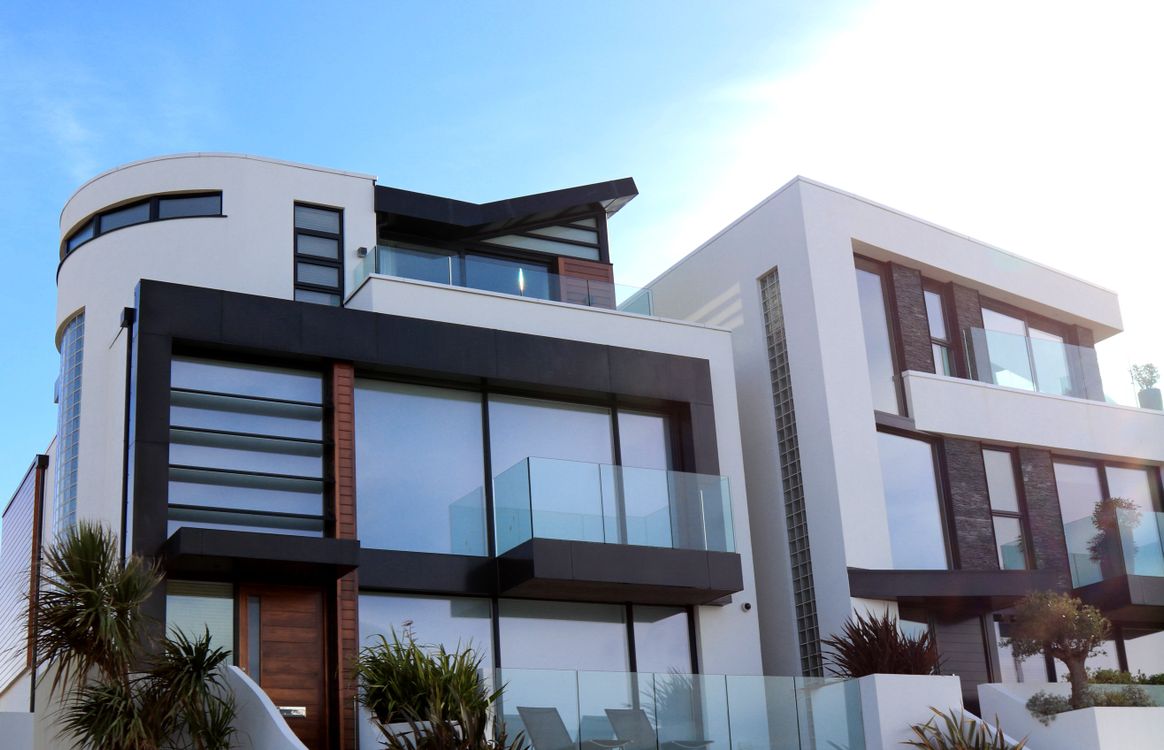
What Homebuyers Should Look for in a Modern Apartment Security System

Published: August 31, 2026 | By L K Monu Borkala, CEO & Founder, OneCity Property — 15 years of property consultancy experience and over 20 years in marketing and management at OneCity Technologies Pvt. Ltd.
When buying an apartment, most people carefully inspect the floor plan, parking, water supply, power backup, maintenance charges, and amenities. Security deserves the same level of scrutiny.
Recent numbers show why. In a 2025 survey of 20,000 renters, 48% named safety and security as a top consideration, while 66% said concerns about crime or safety could make them stop considering a property. Another 2025 survey found 62% of renters wanted to feel safe and secure in their community.
The issue extends beyond apartment doors. The FBI recorded nearly 6 million property crimes in the United States in 2024, including 779,542 burglaries. Package security is another concern, with 2025 research finding apartment and condo residents experienced package theft 3.5 times more often than people in single-family homes during the survey's recent three-month period.
For homebuyers, the takeaway is simple: do not ask only whether an apartment community has cameras. Ask how the entire security system actually works. Here are seven things worth checking before you buy.
1. Start With Entrances and Access Control
A modern apartment security assessment should begin at the property's boundaries. Look at the main gate, pedestrian entrances, lobby doors, parking access, and entrances connecting shared amenities to residential areas.
Ask how residents enter. Does the community still depend heavily on easily shared codes or physical keys? Can lost credentials be revoked? How are domestic workers, contractors, delivery personnel, and other regular visitors handled?
The difference becomes clearer in everyday situations. If a resident loses an access credential on Monday morning, management should have a practical way to disable it rather than leaving a potential security gap until locks or codes can be changed.
During your property visit, check whether entry points are clearly controlled and adequately lit, side and parking entrances receive the same attention as the main lobby, management can revoke or change access when necessary, and entry systems cover important common areas without making daily access unnecessarily difficult.
Access control should make legitimate entry convenient while making unauthorized entry harder. A sophisticated lobby means little if a poorly protected side entrance creates an easy alternative route into the building.
2. Check Whether Cameras Are Actually Monitored
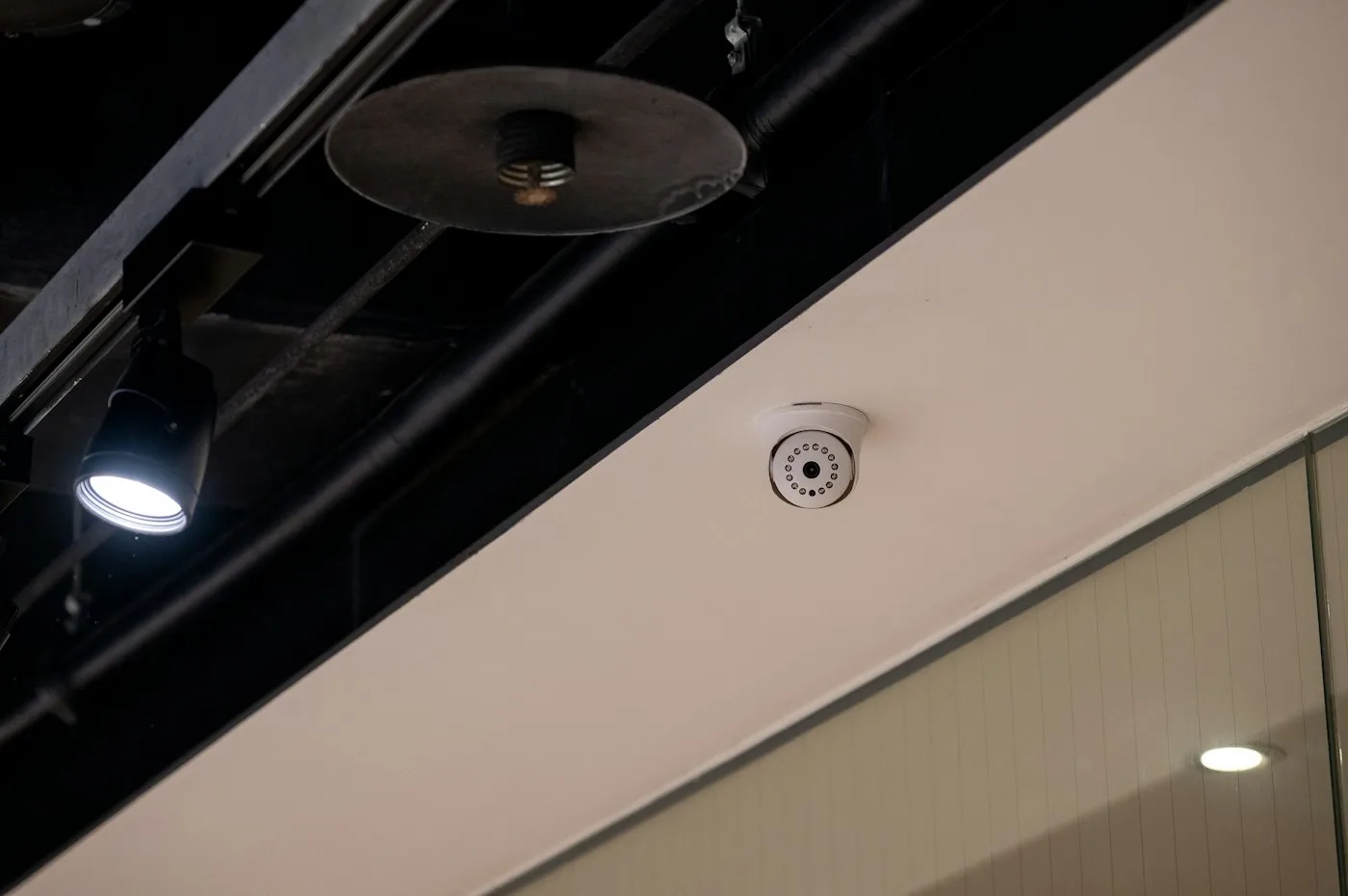
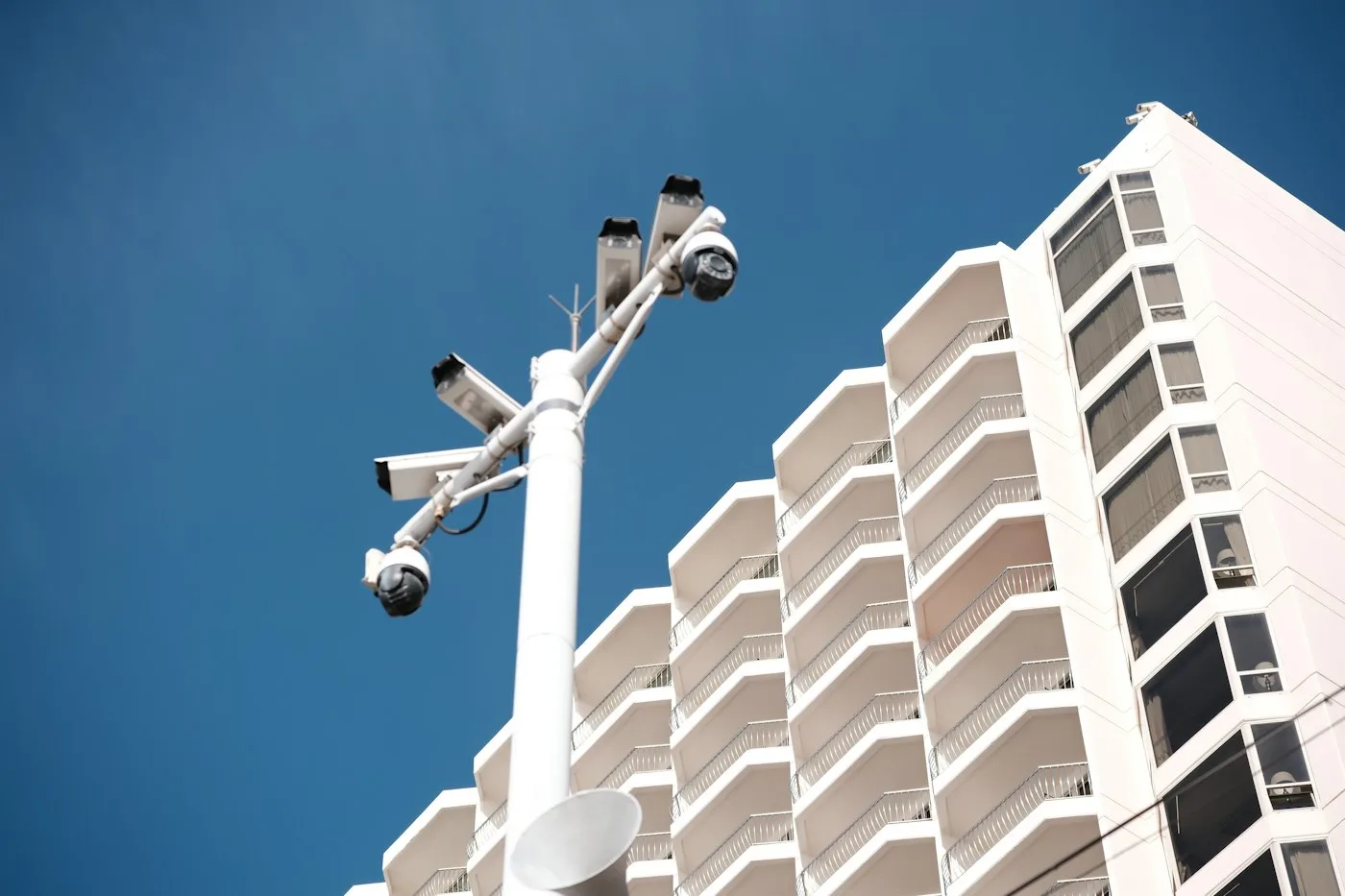
A row of security cameras can look reassuring during a property tour, but camera count tells you surprisingly little about security quality.
The more useful questions are whether cameras cover vulnerable areas, whether footage is clear enough to be useful, how quickly recordings can be retrieved, and whether important activity can be identified in real time.
There is evidence that residents notice the difference. A 2024 National Apartment Association article reported that only 13% of surveyed tenants lived in complexes with monitored cameras, but among those who did, 70% felt those measures helped prevent crime.
Modern multi-family residential real-time video monitoring can take surveillance beyond simply storing footage. AI capabilities now exist for identifying smoke and fire, slips and falls, violence, and loitering, along with remote live-video access and alerts for property managers.
For a buyer, the practical lesson is to look beyond the camera hardware. A camera that records an incident and a monitoring system that helps someone recognize an incident are not the same thing.
3. Inspect Parking Security, Not Just Your Parking Space
Buyers understandably focus on whether an apartment includes one parking space or two, whether spaces are covered, and how close they are to the elevator. Security should be part of that inspection.
Walk through the parking area rather than viewing it from the sales office. Look for adequate lighting, controlled vehicle entrances, pedestrian access points, blind corners, stairwell connections, and useful camera coverage.
The FBI's 2024 figures put the issue in perspective. Motor vehicle theft represented 14.7% of all reported property crimes, despite an 18.6% year-over-year decline in motor vehicle theft.
For a family arriving home at 10 p.m., the quality of the route from the parking space to the elevator can matter more than an impressive clubhouse. A good system should treat the garage, basement, visitor parking, and pedestrian routes as part of the residential security perimeter rather than secondary spaces.
4. Ask How Visitors and Deliveries Are Managed
Apartment communities have a difficult security challenge: they must remain accessible without becoming open to everyone.
A typical building may receive relatives, friends, food deliveries, e-commerce packages, maintenance contractors, cleaners, movers, and service technicians on the same day. A guard writing names in a register provides some documentation, but buyers should ask what happens after a visitor passes the gate.
Look for a visitor process that establishes who is visiting, where appropriate, while avoiding unnecessary friction for residents. For larger communities, consider how visitor access interacts with lobby security and restricted residential areas.
Package handling deserves separate attention. In 2025, 95% of residents surveyed for a multifamily resident-preference report said knowing a package would remain secure until they could retrieve it was important. Another 2025 survey estimated that package theft had affected one in four Americans at some point.
During a property tour, ask where unattended deliveries go. A secure package room, lockers, controlled access, useful camera coverage, and resident notifications can be far more valuable in daily life than an amenity you use twice a year.
5. Look at Playgrounds and Shared Amenities Through a Family Lens
Pools, gyms, clubhouses, children's play areas, terraces, and landscaped spaces often dominate apartment marketing. Buyers should evaluate how those amenities are secured after the sales tour ends.
For example, can anyone walk directly from visitor parking into the children's play area? Is the pool accessible after closing? Are stairways between parking and amenity floors controlled? Are secluded common areas adequately lit?
Security should be proportional to the space. Families should not feel watched during every ordinary activity, but management should have appropriate visibility over important communal areas.
It is also worth asking about emergency procedures. Cameras can provide information during an incident, but they do not replace appropriate fencing, lighting, fire-safety systems, access rules, trained staff, or responsible adult supervision. The strongest apartment security system is layered. No individual camera, guard, gate, or smart lock should be expected to protect an entire community by itself.
6. Find Out What Happens When Something Actually Goes Wrong
A security system should not be judged only by equipment. It should be judged by response.
Ask the property manager a simple question: "What happens if I report suspicious activity in the parking garage at midnight?"
The answer can reveal more than a technology brochure. Who receives the report? Can authorized staff remotely check relevant cameras? How quickly can footage be located? Who contacts emergency services when appropriate? Is there an escalation process?
This matters because surveillance is most useful when information leads to action. Real-time monitoring can potentially shorten the period between an event occurring and management becoming aware of it, while recorded footage remains important for later investigation.
Buyers should also ask whether cameras, gates, intercoms, and access systems are regularly tested. Even an expensive security installation provides little value when cameras are offline, gates remain permanently open, or nobody knows how to retrieve footage.
7. Do Not Ignore Privacy, Maintenance, and Long-Term Costs
Security technology becomes part of the property infrastructure you are paying to maintain. Treat it the same way you would evaluate elevators, generators, water systems, or other shared assets.
Ask about camera maintenance, storage, system upgrades, recurring service costs, and responsibility for failures. In a homeowners association or condominium structure, those expenses may eventually affect maintenance fees.
Privacy deserves equal attention. Buyers should understand where cameras are installed, which common areas are monitored, who can access recordings, how long footage is retained, and what safeguards protect it. The objective should be security without unnecessary intrusion.
Apartment Security Checklist for Buyers
| Buyer Check | What to Look For |
|---|---|
| Access | Controlled resident and visitor entry |
| Parking | Lighting, cameras, controlled vehicle and pedestrian access |
| Video | Useful coverage, clear footage, monitoring and retrieval |
| Deliveries | Secure package handling and controlled package-room access |
| Amenities | Appropriate security around shared family spaces |
| Response | Clear procedures when incidents occur |
| Privacy | Defined camera placement, access and retention policies |
| Maintenance | Regular testing and sustainable operating costs |
This turns security from a vague promise into something you can actually compare between properties.
Key Takeaways
Treat security as a homebuying priority, alongside parking, water, power backup, maintenance, and amenities. Do not judge a property by the number of cameras - ask where they are positioned, whether they are monitored, and how footage is used during an incident. Inspect parking and secondary entrances carefully, because security should extend beyond the main gate and lobby. Evaluate visitor and package management, particularly because apartment residents can face greater exposure to package theft. Ask about incident response, including who receives alerts and what happens outside normal office hours. Check privacy and long-term maintenance, since security technology becomes part of the shared infrastructure owners ultimately support.
Frequently Asked Questions
How many security cameras should a modern apartment complex have?
There is no universal number. Camera requirements depend on property size, layout, entrances, parking configuration, amenities, and identified risks. Useful placement and monitoring matter more than simply maximizing camera count.
Should apartment security cameras be monitored in real time?
Real-time monitoring can provide an advantage when rapid awareness matters. Recorded video remains useful for investigations, so many properties benefit from combining recording with real-time alerts or monitoring for higher-priority areas.
What areas should buyers check for camera coverage?
Start with entrances, lobbies, parking facilities, elevators, package areas, and appropriate shared amenities. Buyers should also check whether less-visible side and rear entrances receive adequate attention.
Is a gated apartment automatically more secure?
No. A gate is only one security layer. Its effectiveness depends on access management, visitor procedures, pedestrian entrances, maintenance, monitoring, and how easily unauthorized people can bypass it.
Why should buyers consider security before purchasing?
Security affects daily comfort, family life, property management, and potentially long-term desirability. Since security infrastructure may be difficult or expensive for owners to upgrade later, evaluating it before purchasing can prevent unpleasant surprises.
Conclusion
A modern apartment purchase involves much more than choosing the right floor plan. Buyers already compare parking, maintenance charges, water, power backup, amenities, and location. Security deserves a permanent place on that checklist because it affects how comfortably residents use the entire property, not just their individual apartment.
Walk through the parking garage. Look at secondary entrances. Ask how visitors and packages are handled. Find out whether cameras are actively useful or simply present. Most importantly, ask what happens when an incident occurs.
The best security system may not be the one with the most visible technology. It is the one that quietly combines sensible access, useful monitoring, responsive management, resident privacy, and well-maintained infrastructure into everyday apartment living.
Featured Projects in This Area
Need expert property advice?
OneCity Property offers independent advisory across Bangalore, Mangalore and Mysore. Zero commission for buyers on projects under ₹1 Cr.
💬 WhatsApp Us📞 Call 076768 70876


News insight
 25/07/2026
Water Damage and Its Long-Term Impact on Property Value
Water damage can quietly slash a home's resale value. A look at why it happens, the real cost of ign...
 13/07/2026
Bangalore Property Dictionary: Every Term, Process, Measurement, Khata and Registration Rule Explained
The reference for Bangalore real estate in 2026: 60+ terms, Khata system, Bhu Guarantee deadline, me...
 10/07/2026
Does This Bangalore Property Flood? How to Check Before Buying
An honest, independent look at which Bangalore areas actually flood and how to verify a specific plo...