

Ready to Move Flats in Electronic City Under 60 Lakhs: 2026 Guide

Quick answer: Ready-to-move flats under 60 lakh in Electronic City are concentrated in the established mid-segment developments from Phase 1 and Phase 2, rather than newer premium towers. Confirm the occupancy certificate exists and check the association's no-dues position before finalising any unit at this budget.
Published: 21 April 2026 · Updated: 20 June 2026 · By L K Monu Borkala
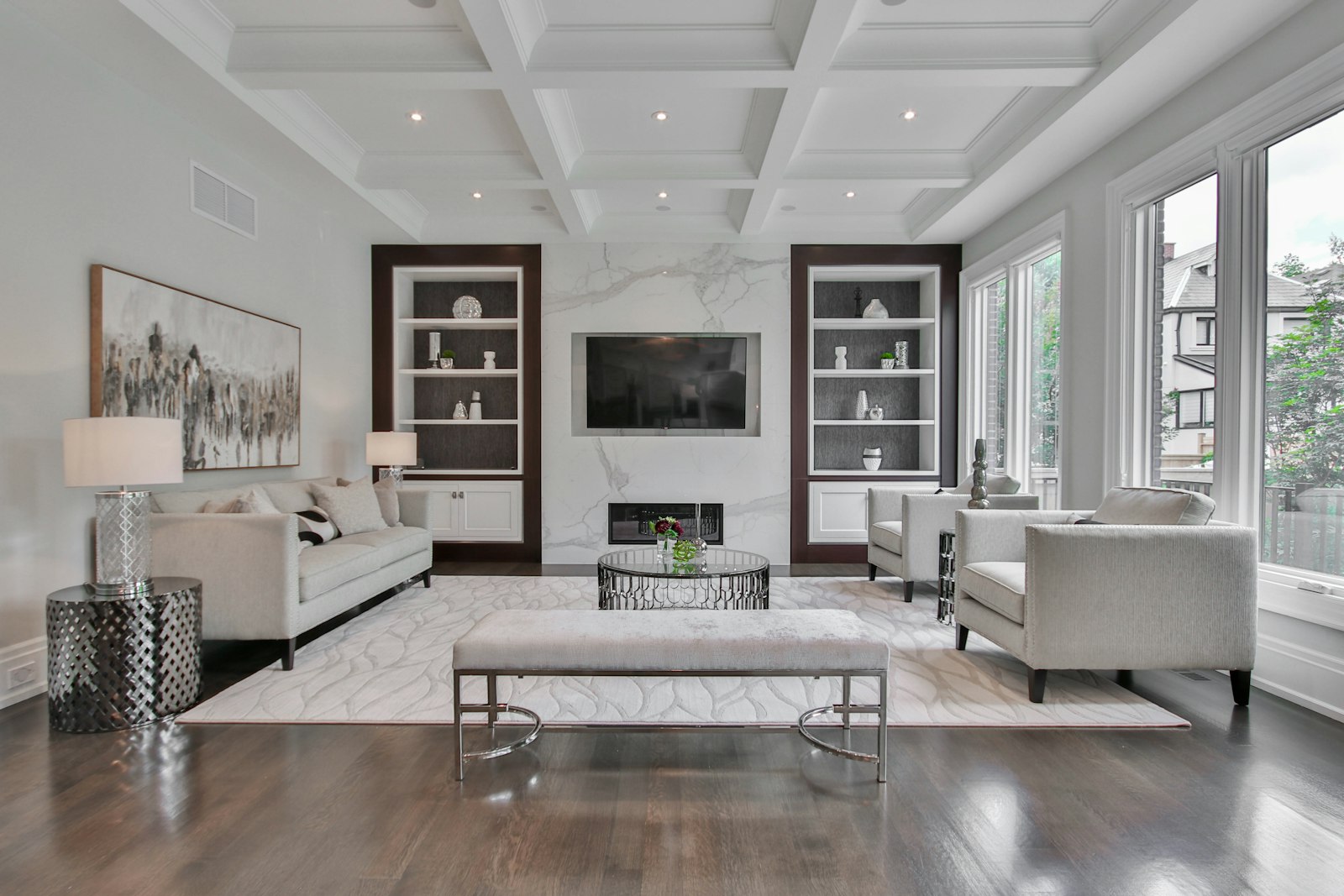
Most buyers searching for flats in Electronic Cityunder ₹60 lakhs instinctively look at new launches. In 2026, that is the wrong starting point. Average Electronic City apartment rates have moved to ₹7,200 - ₹7,400 per sq ft, which means most new launches in this corridor are now priced above ₹65 - ₹75 lakh for a 2BHK. The sub-₹60 lakh 2BHK in Electronic City exists, but it exists almost entirely in the resale market.
This is not a compromise. It is an advantage. Ready-to-move resale flats in Electronic City from developers like Prestige, Mantri, Purva, and Sobha, built 8 - 15 years ago, have Occupancy Certificates, established society infrastructure, known maintenance histories, and immediate possession. You can start generating rental income from day one. The under-construction buyer in the same budget is paying EMI plus rent for 3 - 4 years before that becomes possible.
This guide covers which projects have verified sub-₹60 lakh inventory, what Phase 1 and Phase 2 offer differently, how the Yellow Line metro changes the equation, the exact financial math on a ₹55 lakh purchase, and the document checklist that separates a clean resale transaction from a problem-in-waiting.
Why Ready-to-Move Beats Under-Construction in This Budget in 2026?
The case for ready possession has strengthened significantly in the last three years. Three specific reasons apply to the sub-₹60 lakh Electronic City buyer:
Construction delay reality:Bangalore's average under-construction possession timeline stretched from 36 months to 52 months across 2023 - 2026, per documented project tracking. A buyer who booked an under-construction 2BHK in Electronic City in 2022 at ₹48 lakh is still waiting for possession in several projects. That same buyer paid rent for 4+ years while also servicing EMI on disbursed loan amounts. The double-payment trap is not a worst case, it is the median outcome for under-construction in Bangalore right now.
OC availability:Resale flats in established projects like Prestige Sunrise Park, Mantri Webcity, and Sobha Silicon Oasis have Occupancy Certificates in hand. Without OC, a bank will not disburse a home loan at competitive rates, many buyers in under-construction projects discover this only at registration. Ready-to-move resale with OC means clean loan processing, full disbursement at standard rates, and no legal ambiguity at possession.
Immediate rental offset:A ready-to-move 2BHK in Electronic City Phase 1 at ₹55 lakh generates ₹18,000 - ₹22,000 in monthly rent from day one. On a ₹44 lakh loan (80% LTV) at 8.75%, the EMI is approximately ₹39,000/month. Net outgo after rental income: ₹17,000 - ₹21,000/month, less than renting a comparable flat in HSR Layout. You are building equity at the cost of a rent equivalent.
What Are the Current Prices in Electronic City Phase 1 vs Phase 2?
Phase 1 and Phase 2 are distinct micro-markets with different price points, infrastructure maturity, and commute profiles. Buying blind to this distinction is a common first-buyer mistake in this corridor.
Electronic City Phase 1
Phase 1 is the original IT hub, Infosys' global headquarters, Wipro, TCS, and Tech Mahindra are all here. The social infrastructure is the most mature in the corridor: established restaurants, pharmacies, ATMs, and BMTC connectivity have been in place for 15+ years. Walking-to-work for employees in Phase 1 IT parks is possible from several projects.
Price reality for ready-to-move 2BHK in Phase 1: ₹52 - ₹65 lakh for OC-certified resale units in established projects. Sub-₹60 lakh inventory exists but requires prompt action when it appears, Phase 1 resales at this price point are absorbed quickly by investor buyers looking for rental yield.
Specific projects with Phase 1 proximity: Prestige Sunrise Park (resale at ₹52 - ₹62 lakh, above-average build quality for the price), Puravankara Purva Panorama (resale ₹50 - ₹58 lakh for 2BHK).
Electronic City Phase 2
Phase 2 has seen more residential development than Phase 1, with a larger selection of gated communitiesand a slightly lower price point. The trade-off: the walk-to-work option is less common (most Phase 2 IT employees commute 2 - 5 km internally), and Hosur Road traffic affects ingress and egress more than Phase 1.
Price reality for ready-to-move 2BHK in Phase 2: ₹44 - ₹58 lakh for OC-certified resale units. Sub-₹60 lakh inventory is more widely available here than in Phase 1, this is where most of the realistic sub-₹60L buying happens.
Specific projects: Mantri Webcity on Hosa Road (resale 2BHK at ₹44 - ₹54 lakh, walkable to Electronic City bus terminal), Sobha Silicon Oasis on the Phase 2 fringe (resale 2BHK at ₹50 - ₹60 lakh, Sobha construction quality, plumbing and electrical longevity is noticeably better than smaller developers in this range).
Hosa Road and Hebbagodi (Yellow Line Belt)
The Yellow Line metro from RV Road to Bommasandra became operational in August 2025. Hosa Road and Hebbagodi now have direct metro connectivity, this sub-micro-market was previously undervalued precisely because the metro was pending. Ready-to-move inventory here at ₹48 - ₹60 lakh for 2BHK units in projects built 2010 - 2018 now carries a metro premium that was not priced in when those buildings were completed. For buyers looking at this corridor specifically for the Yellow Line access, Hosa Road is the sweet spot.
What Has the Yellow Line Metro Done to This Market?
The Yellow Line (Namma Metro RV Road to Bommasandra) opened in August 2025. It covers 19.1 km with 16 stations including Infosys Konappana Agrahara, Electronic City, and Hebbagodi. Here is the measurable impact on the sub-₹60 lakh resale segment:
Rental demand increase:Renters who previously avoided Electronic City due to road-only commute dependence are now willing to rent here, particularly IT professionals based at other metro-connected tech parks who rent near family or for lifestyle reasons. 2BHK rental rates in the Yellow Line station catchment area (within 1.5 km of Electronic City and Hebbagodi stations) have moved from ₹17,000 - ₹20,000 to ₹20,000 - ₹25,000 per month since the line opened.
Yield improvement:On a ₹55 lakh ready-to-move flat near an operational Yellow Line station, rental yield has improved from approximately 3.8 - 4.2% pre-metro to 4.5 - 5.5% post-metro. This is a significant shift for an investor-buyer evaluating return on capital.
Price appreciation on station-adjacent units:Ready-to-move 2BHK units within 1 km of Electronic City and Infosys Konappana Agrahara stations have appreciated 15 - 20% in the 12 months following the Yellow Line opening. Units farther than 1.5 km from the nearest station have appreciated more moderately at 8 - 10%.
For plots near the Yellow Line belt: Affordable Plots in Electronic City, Buyer's Guide
What Are the Specific Projects With Sub-₹60 Lakh Ready-to-Move Inventory?
Projects that have consistently produced sub-₹60 lakh resale transactions in 2026 - 2026, with OC and active secondary market:
| Project | Location | 2BHK Resale Range | Build Quality | Key Note |
|---|---|---|---|---|
| Mantri Webcity | Hosa Road | ₹44 - ₹54 lakh | Good | Walking distance to Electronic City bus terminal |
| Sobha Silicon Oasis | Phase 2 fringe | ₹50 - ₹60 lakh | Excellent | Sobha plumbing and electrical longevity above average |
| Prestige Sunrise Park | Phase 1 adjacent | ₹52 - ₹62 lakh | Very good | Premium lobby and finishes for the price range |
| Puravankara Purva Panorama | Phase 1 | ₹50 - ₹58 lakh | Good | Established society, low maintenance arrears |
| KB Eco City | Phase 2 | ₹42 - ₹52 lakh | Standard | Affordable entry, verify society maintenance health |
| Ittina Neela | Electronic City | ₹46 - ₹56 lakh | Good | Active resale market, good school proximity |
Note: Resale prices are indicative based on 2026 - 26 transaction data. Verify current asking price, OC status, and society dues at time of inquiry, resale markets move with broader sentiment.
What Is the Financial Math on a ₹55 Lakh Ready-to-Move Purchase?
Running the numbers removes the ambiguity. Here is a realistic financial model for a ₹55 lakh OC-certified 2BHK in Electronic City Phase 2:
Loan structure (80% LTV):
- Purchase price: ₹55,00,000
- Down payment (20%): ₹11,00,000
- Loan amount: ₹44,00,000
- Interest rate: 8.75% (current SBI/HDFC home loan rate range)
- Tenure: 20 years
- Monthly EMI: approximately ₹38,900
Registration and stamp duty (Karnataka 2026):
- Stamp duty (5.6% for woman buyer / 5.65% for male): ₹3,08,000 - ₹3,11,000
- Registration fee (2%): ₹55,000
- Total registration cost: ₹3.63 - ₹3.66 lakh
- Total upfront cash required: ₹11L (down payment) + ₹3.65L (registration) + ₹50,000 (misc) = ₹15.15 lakh
If rented immediately:
- Monthly rent (semi-furnished 2BHK Phase 2): ₹20,000 - ₹22,000
- Net monthly outgo (EMI minus rent): ₹16,900 - ₹18,900
- Annual gross rental yield: (₹21,000 × 12) / ₹55,00,000 = 4.58%
At ₹16,900 - ₹18,900 net outgo after rental income, you are building equity in a Bangalore asset at the cost of renting a 1BHK in HSR Layout. This is the strongest financial argument for ready-to-move resale in this bracket.
For stamp duty calculations: Stamp Duty and Registration Charges in Karnataka
What Documents Must You Check Before Buying a Resale Flat in Electronic City?
Resale transactions in 10 - 15 year old buildings carry specific document risks that new-launch buyers do not face. Here is the non-negotiable checklist:
1. Occupancy Certificate (OC)
The single most important document. Without OC, no bank will disburse a home loan at standard rates, and future resale will face the same obstacle. Some Electronic City buildings from the 2008 - 2012 era were built and occupied without completing OC, their residents live there but cannot sell to anyone requiring a bank loan. Always verify the OC is in hand and matches the building you are buying in (some projects have multiple phases with separate OCs).
2. E-Khata or A-Khata in the Seller's Name
Electronic City falls under BBMP jurisdiction. Confirm the flat's Khata is A-Khata or E-Khata, not B-Khata. The Khata must be in the current seller's name. A Khata still in the developer's name after 8 - 10 years of completed construction is a red flag indicating Khata transfer was never completed, which you would need to resolve before reselling.
3. Encumbrance Certificate, 13 Years Minimum
Pull the EC from the Sub-Registrar's office for the flat's survey number for the last 13 years (full ownership history since most Electronic City projects were registered). Verify no outstanding loans, mortgage entries, or court attachments on the specific flat number. Both the flat's individual EC and the underlying land EC should be clean.
4. Society NOC and Maintenance Status
Request from the current seller: a No Objection Certificate from the Resident Welfare Association (RWA) confirming no pending maintenance dues on the flat. Also request the society's maintenance account statement for the last two years. A society with large maintenance arrears will raise levies on all flat owners, including you, shortly after possession. Societies with over 25% unit-level arrears are a flag.
5. RERA Registration Verification
Even for older projects (pre-RERA 2017), verify the developer's RERA compliance status on rera.karnataka.gov.in. Post-RERA projects should have a registration number. Pre-RERA projects are exempt, but developer compliance status matters for any disputes.
6. Building Plan Approval and Floor-wise Comparison
Verify the building plan approval from BBMP and confirm that the flat's configuration (size, floor, position) matches the approved plan. In older Electronic City buildings, some unit modifications, extended balconies, knocked walls, were done without approval. Any unapproved structural modification becomes your liability at possession.
7. Lift Maintenance Contract
In buildings older than 10 years, ask for the current lift maintenance contract. Lift replacement in an older building costs ₹8 - ₹12 lakh per lift, split across flat owners as a special levy. A building with an ageing lift and no active maintenance contract is a known future cost that is not reflected in the asking price.
Full legal documentation guide: Legal Checklist Before Buying Plots in Bangalore 2026
How Does Electronic City Compare to Other Sub-₹60 Lakh Corridors in Bangalore?
| Corridor | Sub-₹60L 2BHK Availability | Yellow Line Metro | Rental Yield | Best For |
|---|---|---|---|---|
| Electronic City Ph1/Ph2 | Good (resale market) | Operational (Aug 2025) | 4.5 - 5.5% | IT employees + investors |
| Hosur Road (Bommasandra) | Good | Operational | 4.0 - 4.8% | Budget buyers + yield |
| Sarjapur Road (Dommasandra) | Limited | No (2030+ est.) | 3.5 - 4.5% | Long-term hold |
| Yelahanka | Moderate | Blue Line (Jun 2026) | 3.5 - 4.5% | North Bangalore employees |
| Kanakapura Road | Moderate | Yellow Line (partial) | 3.5 - 4.0% | End-use families |
Electronic City's combination of operational Yellow Line metro, strong IT employment base, and 4.5 - 5.5% rental yield makes it the strongest performing sub-₹60 lakh corridor in Bangalore right now. The only corridor with comparable yield is Bommasandra, but Electronic City has deeper social infrastructure and a larger captive employment catchment.
How to Find and Verify Resale Listings in Electronic City
The Electronic City resale market is broker-heavy. Most sub-₹60 lakh transactions in this corridor go through local brokers who specialise in specific projects rather than through national portals. The best-priced, OC-verified listings typically appear on WhatsApp broker networks 2 - 4 weeks before they surface on 99acres or MagicBricks at a higher ask. Knowing where to look shortens the search and lowers the price you pay.
Step 1, Identify your three to four target projects.Based on the price table above, shortlist Mantri Webcity, Sobha Silicon Oasis, Prestige Sunrise Park, or KB Eco City depending on Phase preference and budget ceiling. Limiting search to a handful of projects lets you track secondary market movement in real time rather than chasing every listing across the corridor.
Step 2, Contact the Resident Welfare Association directly.Every established gated community has an active RWA. Call the project's security gate, get the RWA committee contact, and ask whether any flats are listed for sale. RWA-sourced leads often come with inside knowledge on which units carry maintenance arrears or disputes, information a broker will not volunteer at first meeting.
Step 3, Verify OC status online before any site visit.The Karnataka RERA portal at rera.karnataka.gov.inlists all registered projects with compliance status. For pre-RERA buildings registered before May 2017, the OC must be verified through the BBMP Ward Office where the building's approvals were originally filed. Ask the seller for the OC copy before the site visit, any hesitation on this point is a clear red flag.
Step 4, Check the Encumbrance Certificate on Kaveri Online.Karnataka's property registration portal at kaverionline.karnataka.gov.inlets you pull the EC for any registered flat using the property's survey number or registration details. A clean EC showing no mortgages, court attachments, or outstanding loans from registration date to present is non-negotiable before making any payment beyond a refundable token.
Step 5, Engage a local verification advocate.For sub-₹60 lakh resale in a building that is 10 - 15 years old, legal verification fees of ₹10,000 - ₹15,000 paid to a local property advocate who knows BBMP jurisdiction is money well spent. A competent advocate will catch OC gaps, Khata transfer failures, and encumbrance entries that standard broker due diligence does not cover. This cost is not optional in the Electronic City resale segment.
Tax Benefits on a ₹55 Lakh Home Loan for Ready-to-Move Property
Ready-to-move purchases carry a specific tax advantage over under-construction flats: Section 24(b) interest deductions are available from the year of possession, not deferred to project completion. An under-construction buyer who waited four years for possession lost four years of annual deductions during that wait. For a ₹44 lakh loan on a ₹55 lakh Electronic City flat, the tax position looks as follows:
Section 80C, Principal and Stamp Duty:Principal repayment on the home loan is deductible under Section 80C up to ₹1.5 lakh per year. In Year 1 of a ₹44 lakh loan at 8.75% over 20 years, the principal component is approximately ₹57,000, increasing each subsequent year. Stamp duty paid at registration, ₹3.08 to ₹3.11 lakh, is also deductible under Section 80C in the year of registration, which can use the full ₹1.5 lakh limit in Year 1 alone when combined with principal.
Section 24(b), Interest Deduction:Interest paid on a home loan for a self-occupied property is deductible up to ₹2 lakh per year. On a ₹44 lakh loan at 8.75%, Year 1 interest is approximately ₹3.83 lakh, meaning the ₹2 lakh deduction ceiling is reached in full from the first year. For a buyer in the 30% tax bracket, this translates to ₹60,000 in annual tax savings on interest alone, reducing the effective net monthly outgo further.
Let-out property:If the flat is rented rather than self-occupied, the full interest amount without the ₹2 lakh cap is deductible against rental income. On a ₹44 lakh loan generating ₹3.83 lakh in annual interest against ₹2.52 lakh in annual rental income, the resulting property income loss can be set off against other income heads up to ₹2 lakh per year under the Income Tax Act, with the balance carried forward. The exact structure changes based on individual income composition, consult a practising CA before finalising the ownership structure.
Three Mistakes First-Time Buyers Make in the Electronic City Resale Market
Three patterns appear consistently in Electronic City resale transactions that go wrong, and all three are avoidable with preparation.
Mistake 1, Comparing prices on super built-up area instead of carpet area.Electronic City apartments from 2008 - 2015 were sold with super built-up loading factors of 30 - 40% in several projects. A 1,200 sq ft super built-up 2BHK may have only 820 - 860 sq ft of usable carpet area. When comparing a ₹50 lakh flat at 1,100 sq ft super built-up against a ₹52 lakh flat at 950 sq ft super built-up, calculate price per sq ft on carpet area for a genuine comparison. The cheaper-looking flat on paper may be the worse value on actual liveable space.
Mistake 2, Ignoring society financial health.A sub-₹60 lakh resale price in a gated community with 30 - 40% maintenance arrears among flat owners is not a deal, it is a deferred levy. Society special assessments for lift replacement, water pump overhaul, or façade waterproofing in a 12 - 15 year old building run ₹60,000 - ₹1.5 lakh per flat. Request the last two years of society AGM minutes and the maintenance collection status before making any payment. A society where collections are below 70% is a direct future cost that the asking price does not reflect.
Mistake 3, Skipping shared infrastructure inspection.A site visit that checks only the flat interior misses the building's common systems. Check the water storage tank capacity and pump age, pump replacement costs ₹2 - ₹4 lakh, levied per flat. Inspect corridor lighting and wiring condition. Verify the generator or DG set capacity and how fuel costs are shared across units. In a 10 - 15 year old Electronic City building, the condition of these shared systems tells you more about total cost of ownership than the flat's painted walls do.
Frequently Asked Questions: Ready-to-Move Flats in Electronic City Under ₹60 Lakhs
Are there good ready-to-move 2BHK flats under ₹60 lakhs in Electronic City in 2026?
Yes, primarily in the resale segment. Projects like Mantri Webcity (₹44 - ₹54 lakh), Sobha Silicon Oasis (₹50 - ₹60 lakh), and KB Eco City (₹42 - ₹52 lakh) have active secondary markets with OC-certified units. New-launch inventory in this price bracket has largely disappeared as average Electronic City rates have moved to ₹7,200 - ₹7,400 per sq ft. The sub-₹60 lakh 2BHK today is a resale story.
What is the rental yield on a ₹55 lakh flat in Electronic City in 2026?
Approximately 4.5 - 5.5% gross annually for a semi-furnished 2BHK near an operational Yellow Line station. Monthly rent in the Electronic City Phase 1 and 2 catchment ranges from ₹18,000 - ₹25,000 depending on furnishing, building age, and station proximity. Net monthly outgo after rental income on a ₹44 lakh loan is approximately ₹16,900 - ₹18,900.
Is the Yellow Line metro a reason to buy in Electronic City in 2026?
Yes, and specifically in the Hosa Road, Hebbagodi, and Electronic City station catchment zones. The metro is operational since August 2025. Units within 1 km of Yellow Line stations have appreciated 15 - 20% in the past 12 months. For investor buyers, the rental yield improvement from metro-adjacent units (4.5 - 5.5% vs 3.8 - 4.2% pre-metro) makes the station-proximity premium worthwhile.
What is the most important document to check in an Electronic City resale purchase?
The Occupancy Certificate (OC). Without OC, no bank will lend at standard rates, and future resale is severely constrained. Some Electronic City buildings from the 2008 - 2012 era were occupied without completing OC. Verify the OC is specific to your building (not just the overall project) before any payment beyond a refundable token.
Should I buy in Electronic City Phase 1 or Phase 2 for a sub-₹60 lakh budget?
Phase 2 for most buyers in this budget. Phase 1 sub-₹60 lakh inventory is limited and absorbed quickly. Phase 2 has wider resale availability at ₹44 - ₹58 lakh with comparable Yellow Line metro access through Hosa Road and Hebbagodi stations. If walk-to-work at a Phase 1 IT park is a specific requirement, Phase 1 inventory is worth the faster search process and narrower window.
Disclaimer:All project names, logos, images, floor plans, and trademarks on this page are the exclusive intellectual property of their respective developers and owners, reproduced here for informational purposes only. Prices, specifications, and possession timelines are subject to change, verify all details directly with the developer before any purchase decision. OneCity Property is an independent information portal and is not liable for any loss arising from reliance on this information. Read our full Disclaimer →
Featured Projects in This Area
Need expert property advice?
OneCity Property offers independent advisory across Bangalore, Mangalore and Mysore — zero commission for buyers on projects under ₹1 Cr.
💬 WhatsApp Us📞 Call 7676870876


News insight
 26/07/2026
Luxury Apartments in Mangalore: Real Projects Compared
Five real tracked luxury Mangalore projects compared - whole-floor towers, sea view units, and genui...
 26/07/2026
Affordable Housing in Mangalore: The Real Rules
Mangalore is not classified as metro for affordable housing rules, giving buyers a bigger carpet are...
