
Namma Metro Station Guide: Every Line, Every Stop, and What's Actually Around It

Published: 22 August 2026 | By L K Monu Borkala, CEO & Founder, OneCity Property — 15 years of property consultancy experience and over 20 years in marketing and management at OneCity Technologies Pvt. Ltd.
Namma Metro Station-by-Station Guide: Every Line, Every Stop, and What's Actually Around It
Quick answer: Namma Metro runs 86 operational stations across three lines - Purple, Green, and Yellow - covering roughly 96 km of track through nearly every corner of Bangalore that matters for property buyers. This guide walks every single station, tells you in practice what's actually nearby, what property is selling for in three price tiers around each stretch, and what's coming next on the Pink, Blue, Orange, Grey, and Red Lines. If you've ever stood at a station wondering what the neighbourhood two exits down is actually like to live in, this is written for you.
Twenty years of walking Bangalore's property market teaches you one thing about metro stations: two stations on the same line, three stops apart, can feel like entirely different cities. Indiranagar and Baiyappanahalli sit four minutes apart on the Purple Line. One is Bangalore's most expensive pub-and-boutique neighbourhood. The other is a working-class transit hub next to a railway colony. The metro connects them equally. The property market treats them nothing alike.
That's the thing generic "metro impact" articles miss. This guide doesn't. We're going station cluster by station cluster, line by line, with what's truly around each stretch - schools, hospitals, malls, IT parks - and where pricing actually sits today across mid-range, premium, luxury, and super-luxury segments.
The Full Network at a Glance
| Line | Route | Length | Stations | Status | Colour on Map |
|---|---|---|---|---|---|
| Purple Line | Whitefield (Kadugodi) → Challaghatta | ~43 km | 37 | Operational | ■ Purple |
| Green Line | Madavara → Silk Institute | ~33.5 km | 32 | Operational | ■ Green |
| Yellow Line | RV Road → Bommasandra (Electronic City) | ~19 km | 16 | Operational (Aug 2025) | ■ Yellow |
| Pink Line | Kalena Agrahara → Nagawara | ~21.3 km | 18 | Phase 1 ~Sept 2026, Phase 2 ~Dec 2026 | ■ Pink |
| Blue Line | Central Silk Board → KR Puram → Airport | ~58.2 km | 30 | Target late 2026 - early 2027 | ■ Blue |
| Orange Line (Phase 3) | JP Nagar 4th Phase → Kempapura | ~32.2 km | 22 (planned) | Tendering 2026, construction into early 2030s | ■ Orange |
| Grey Line (Phase 3) | Hosahalli → Kadabagere | ~12.5 km | ~10 (planned) | Tendering 2026 | ■ Grey |
| Red Line (Phase 3A) | Sarjapur → Hebbal | ~37 km | ~24 (proposed) | DPR under assessment; surveys underway since Jan 2026 | ■ Red |
The Network Map
Here's the full system laid out schematically - where every line runs relative to the others, and how they interlock at Majestic, MG Road, and RV Road.
Schematic representation, not to scale - for actual station-level navigation always use the official BMRCL app or Namma Metro signage.
Full Station Map - Purple, Green, and Yellow Lines
Here's every operational station, named, in sequence, colour-coded by line. This is a schematic diagram - spacing represents station order, not exact geographic distance, the same convention every major transit map in the world uses for readability. Scroll sideways on mobile to see the full network.
Total verified line lengths: Purple 43.49 km across 37 stations, Green 33.46 km across 32 stations, Yellow 19.15 km across 16 stations, per BMRCL and cross-checked public records as of August 2026. Individual station-to-station distances aren't reliably published at that granularity, so this map shows sequence and connectivity rather than to-scale spacing - treat it the way you'd treat the London Underground map, not a road atlas.
The Purple Line: Whitefield to Challaghatta, Station by Station
The Purple Line is Bangalore's oldest, longest, and most economically consequential metro corridor - 43 km connecting the IT wealth of Whitefield to the old western residential belt of Challaghatta, with the city's commercial and administrative heart sitting almost exactly in the middle. It opened its first stretch in 2011 and reached its current full length only in 2023, when the Whitefield and Challaghatta extensions both went live in the same year. That's recent enough that the eastern and western ends are still catching up to what the central stretch has enjoyed for over a decade.
We'll walk it the way most buyers actually think about it: east to west, in five natural clusters.
Cluster 1 - The Whitefield-ITPL Belt (11 stations)
This is the newest, wealthiest, and fastest-changing stretch of the entire network. Every station here opened within the last three years, and the corridor is still absorbing what that connectivity means for pricing.

| Station | What's truly Nearby | Character |
|---|---|---|
| Whitefield (Kadugodi) | Eastern terminus. Kadugodi Bus Terminus, Sri Sathya Sai Baba Ashram, Whitefield Railway Station (separate from the metro station), Kadugodi Police Station | The end of the line - truly functions as Whitefield's eastern gateway, older resale stock dominates immediately around it |
| Kadugodi Tree Park | Kadugodi Forest / Tree Park itself - one of the few genuine green lung spaces directly on the Purple Line | Quiet, residential, appeals to families wanting green space over retail density |
| Hopefarm Channasandra | Hope Farm Junction, several mid-segment apartment complexes, connects toward Varthur Road | Transitional zone between core Whitefield and the Varthur-Gunjur belt |
| Pattandur Agrahara (ITPL) | International Tech Park Bangalore (ITPL) itself, EPIP Zone - this is the single biggest employment anchor on the entire eastern stretch | Pure IT-commute station; weekday footfall dominated by tech workers |
| Sri Sathya Sai Hospital | Sri Sathya Sai Institute of Higher Medical Sciences - a truly major multi-specialty hospital, not a marketing name | Healthcare-anchored micro-market; strong for buyers prioritising medical access |
| Nallurhalli | Serves Kundalahalli's eastern reach, close to SAP Labs campus | See our full Kundalahalli locality guide - Nallurhalli is this locality's primary station |
| Kundalahalli | Kundalahalli Lake, SAP Labs, Kundalahalli Colony's established social infrastructure | One of East Bangalore's most mature, amenity-rich micro-markets |
| Seetharampalya | Residential pocket between Kundalahalli and Hoodi, serves Doddanekkundi's northern reach | truly quiet, mostly mid-rise apartment stock |
| Hoodi | Sits at the junction where established Whitefield meets KR Puram and Mahadevapura | Resale-heavy - see our Hoodi locality guide for the full breakdown |
| Garudacharpalya | Bagmane Tech Park's outer edge, industrial-to-residential transition zone | Value-oriented, still finding its identity post-metro |
| KR Puram (Krishnarajapuram) | KR Puram Railway Station (major suburban rail junction), Old Madras Road, direct link toward Marathahalli and Whitefield-Hoskote corridor | The single busiest interchange point on the eastern half - rail plus metro plus arterial road |
Pricing across this belt (per sq ft, apartments): Mid-range resale stock in Whitefield core, Hoodi, and Garudacharpalya runs roughly ₹8,900 to ₹12,000. Premium new-launch inventory around Kundalahalli and the ITPL-adjacent stretch pushes ₹12,000 to ₹16,000. Genuine luxury - branded developer towers with full amenity decks near Kundalahalli Lake or Sri Sathya Sai Hospital - trades ₹16,000 to ₹18,500. Super-luxury product is rare on this specific stretch; most of Bangalore's true super-luxury inventory sits further west toward Indiranagar and the central CBD, which this eastern belt does not yet match on brand prestige despite strong absolute pricing.
Cluster 2 - Central-East: Baiyappanahalli to Halasuru (4 stations)
| Station | What's truly Nearby | Character |
|---|---|---|
| Baiyappanahalli | Interchange with the Green Line, Baiyappanahalli Railway Station, one of Namma Metro's earliest depots | Transit-dense, mixed commercial-residential, historically an industrial railway colony now gentrifying at the edges |
| Swami Vivekananda Road | Serves the eastern edge of Indiranagar, HAL Old Airport Road corridor | Quieter than Indiranagar proper but riding its coattails on pricing |
| Indiranagar | 100 Feet Road, CMH Road, ESI Hospital, one of Bangalore's most concentrated pub, café, and boutique-retail districts anywhere in the city | Arguably Bangalore's single most desirable residential-lifestyle address; young professionals, expats, and old-money families all compete for the same stock |
| Halasuru (Ulsoor) | Ulsoor Lake, Trinity Circle's northern approach, several legacy Anglo-Indian and Tamil residential pockets | Genuine old-Bangalore character alongside newer premium developments |
Pricing across this stretch: This is where the Purple Line's numbers get truly dramatic. Ulsoor runs roughly ₹9,000 to ₹13,500 per sq ft for standard apartment stock - already premium by citywide standards. Indiranagar itself is where "premium" stops applying and "luxury" and "super-luxury" take over: reported figures for prime Indiranagar stock run well past ₹18,000 and into the ₹22,000+ range for the most sought-after buildings on 100 Feet Road and the inner residential lanes off CMH Road. Very little truly "mid-range" inventory exists left in Indiranagar proper - most of what remains at lower price points is older, smaller-format stock that rarely comes to market.
Cluster 3 - The CBD Stretch: Trinity to Majestic (6 stations)
This is the commercial and administrative core of the city - the stretch where Bangalore stops being residential neighbourhoods and becomes offices, government buildings, and retail. Property here skews heavily toward commercial and mixed-use rather than pure residential, but it's worth understanding because it anchors pricing expectations for everything around it.
| Station | What's truly Nearby | Character |
|---|---|---|
| Trinity | Trinity Circle, 1 MG Mall, close to Ulsoor Lake's southern edge, quieter alternative to MG Road station for the same neighbourhood | Secondary CBD station, less crowded, still fully central |
| MG Road | Brigade Road, Church Street, Commercial Street shopping belt - this becomes Bangalore's second interchange station when the Pink Line opens (underground platforms already built) | The city's most iconic commercial address; retail and office-driven, limited standalone residential stock |
| Cubbon Park | Cubbon Park itself, High Court complex, several state government offices | Institutional and green-space anchored rather than residential |
| Vidhana Soudha (Dr BR Ambedkar Station) | Vidhana Soudha (Karnataka's legislative assembly building), Vikasa Soudha, Cubbon Park's western edge | The seat of state government - almost entirely institutional, essentially no residential character |
| Sir M Visvesvaraya Station (Central College) | Bangalore University's Central College campus, several heritage government buildings | Academic and administrative |
| Majestic (Nadaprabhu Kempegowda Station) | KSR Bengaluru City Railway Station, Kempegowda Bus Station, the interchange with the entire Green Line | The single busiest, most functionally important station in the network - everyone passes through Majestic eventually |
Pricing note: This stretch is dominated by commercial real estate and government institutions, not residential apartment stock. Where residential product does exist - mostly in the older lanes around Shivajinagar, Gandhinagar, and Chamarajpet just off the corridor - it tends to be legacy stock rather than new-launch inventory, and pricing reflects proximity-to-CBD value rather than the amenity-driven premiums you see in Indiranagar or Whitefield.
Cluster 4 - West: Magadi Road to Nayandahalli (7 stations)
| Station | What's truly Nearby | Character |
|---|---|---|
| City Railway Station | Effectively continuous with Majestic - serves the same railway station complex from the western approach | Functional transit node, not a residential destination |
| Magadi Road | One of Bangalore's oldest arterial roads, dense old-city commercial activity, wholesale trading pockets | Working-class commercial heart, affordable residential stock in surrounding lanes |
| Vijayanagar | Established West Bangalore residential neighbourhood, BDA-developed layouts, several long-standing schools | Middle-class family stronghold, strong community character, moderate pricing |
| Attiguppe | Residential pocket between Vijayanagar and Deepanjali Nagar | Quiet, affordable, mostly older independent housing stock |
| Deepanjali Nagar | Serves the broader West Bangalore residential belt around Rajajinagar's southern reach | Solid mid-segment family housing |
| Mysore Road | Mysore Road Railway Station (major junction), gateway toward NICE Road and the Mysuru-Bangalore highway corridor | Transit and logistics anchored, growing residential interest given road connectivity |
| Nayandahalli | Transitional zone heading into RR Nagar, close to Global Village Tech Park | Value-oriented entry point for West Bangalore buyers |
Cluster 5 - Far West: Rajarajeshwari Nagar to Challaghatta (6 stations)
This is the Purple Line's newest extension - opened alongside the Whitefield extension in 2023 - and truly the corridor's biggest current opportunity. It was long dismissed as peripheral. That's changing fast, and the numbers back it up.
| Station | What's truly Nearby | Character |
|---|---|---|
| Rajarajeshwari Nagar (RR Nagar) | Established West Bangalore suburb, several BDA layouts, Global Village Tech Park within reach | Family-oriented, price-sensitive, strong long-term resident base |
| Jnanabharathi | Bangalore University's Jnanabharathi campus | Academic-adjacent, quieter residential character |
| Pattanagere | Residential pocket serving the Kengeri approach | Developing, entry-level pricing |
| Kengeri | Historic satellite town predating most of Bangalore's IT-era growth, close to NICE Road and the Mysuru highway | truly affordable, strong long-term appreciation potential given corridor completion |
| Kengeri Bus Terminal | Major BMTC terminal, gateway toward Ramanagara and Mysuru-bound traffic | Transit-anchored, industrial-residential mix |
| Challaghatta | Current western terminus; depot construction underway for future capacity | The line's edge - truly peripheral today, but terminus stations have historically seen outsized appreciation once a line stabilises |
Pricing across the far west: This is unambiguously the Purple Line's value corridor. Multiple market reports point to this stretch showing 15 to 21 percent price appreciation over the past year alone - the sharpest movement anywhere on the line - precisely because base prices started so low relative to the rest of the corridor. Mid-range apartment stock here can still be found in the ₹6,000 to ₹9,000 per sq ft range, a genuine rarity for a fully metro-connected Bangalore corridor in 2026. Premium product tops out around ₹11,000 to ₹13,000. True luxury and super-luxury inventory is essentially absent here - this is a value-and-growth story, not a prestige-address story, and buyers should approach it that way.
Purple Line Summary - What the Data Actually Shows
Step back from individual stations and the Purple Line tells a consistent three-act story. The eastern stretch (Whitefield to KR Puram) is IT-employment driven, mid-to-premium priced, and mature enough that most of the easy appreciation has already happened. The central stretch (Indiranagar through Majestic) is Bangalore's prestige core - expensive, largely built out, appreciating steadily but slowly because there's little room left to run. The western stretch (Magadi Road to Challaghatta) is where genuine value still exists, still appreciating in double digits annually, still catching up to what the rest of the line already enjoys.
If you're weighing Whitefield against Sarjapur Road specifically - a comparison we get constantly - our dedicated Whitefield vs Sarjapur Road guide goes deeper into that specific decision than we can here.
The Green Line: Madavara to Silk Institute, Station by Station
Where the Purple Line runs east-west through IT wealth and old-city commerce, the Green Line runs north-south through an entirely different Bangalore - industrial Peenya in the north, the administrative core at Majestic, and the deeply established, temple-and-family residential belt of South Bangalore stretching down through Jayanagar and Banashankari toward Kanakapura Road. It's 32 stations across roughly 33.5 km, and if the Purple Line is Bangalore's income story, the Green Line is Bangalore's generational-wealth story - much of the southern stretch has been continuously residential for 40, 50, 60 years.
Cluster 1 - The Northern Industrial Belt (10 stations)
| Station | What's truly Nearby | Character |
|---|---|---|
| Madavara | Bangalore International Exhibition Centre (BIEC), current northern terminus | Exhibition and logistics anchored, minimal residential presence today |
| Chikkabidarakallu | Residential pocket serving the Tumkur Road corridor's inner stretch | Developing, affordable |
| Manjunathnagar | Mixed residential-industrial transition zone | Value-oriented, blue-collar and lower-middle-income resident base |
| Nagasandra | Original Green Line northern terminus before the Madavara extension, close to Peenya's industrial sprawl | Industrial-adjacent, functional rather than aspirational |
| Dasarahalli | Residential belt bordering Peenya's manufacturing zone | Affordable, strong rental demand from factory and warehouse workers |
| Jalahalli | Serves both civilian residential areas and proximity to defence establishment zones nearby | Quiet, family-oriented despite industrial neighbours |
| Peenya Industry | The heart of Peenya Industrial Area - one of Asia's largest industrial estates | Almost entirely commercial-industrial, negligible residential stock immediately around it |
| Peenya | Continuation of the industrial belt, connects toward the future Orange Line interchange | Same industrial character as Peenya Industry |
| Goraguntepalya | Transitional station between industrial Peenya and commercial Yeshwanthpur | Mixed-use, moderate residential presence |
| Yeshwanthpur | Yeshwanthpur Junction Railway Station, Orion Mall - one of Bangalore's largest shopping destinations, Sandal Soap Factory heritage site nearby | Genuine commercial and transit hub, strong retail anchor, solid mid-segment residential surrounding it |
Pricing across the north: This is Bangalore's most affordable metro-connected corridor by a meaningful margin. Most of the residential stock immediately around Peenya, Dasarahalli, and Jalahalli sits in truly budget territory - well under ₹6,000 per sq ft for standard apartment stock in many pockets. Yeshwanthpur, thanks to Orion Mall and the railway junction, commands a real premium over its industrial neighbours, with decent mid-range stock in the ₹7,000 to ₹9,500 range and select premium developments pushing toward ₹11,000.
Cluster 2 - Central: Sandal Soap Factory to Majestic (7 stations)
| Station | What's truly Nearby | Character |
|---|---|---|
| Sandal Soap Factory | Named for the historic Mysore Sandal Soap Factory heritage site; near ISKCON Temple and World Trade Centre Bangalore | Mixed heritage-industrial-commercial, unusual but genuine landmark cluster |
| Mahalakshmi | Serves Mahalakshmipuram and Rajajinagar's northern edge | Established residential, moderate pricing |
| Rajajinagar | One of West Bangalore's most established, planned residential neighbourhoods - wide roads, mature trees, several legacy educational institutions | Old-money West Bangalore prestige address; truly comparable to Jayanagar in social standing |
| Kuvempu Road | Local markets, schools, dense apartment stock | Practical, family-friendly, unglamorous but truly livable |
| Srirampura | Old Bangalore locality near Sampige Road | Legacy residential character, limited new-launch inventory |
| Mantri Square Sampige Road | Direct access to Mantri Square Mall - one of Bangalore's most prominent malls | Retail-anchored, strong footfall, moderate residential presence directly around it |
| Majestic (Nadaprabhu Kempegowda Station) | Interchange with Purple Line, KSR Railway Station, Kempegowda Bus Station | Covered in the Purple Line section - the network's central nervous system |
Pricing note on Rajajinagar specifically: This deserves its own callout because it consistently surprises people who assume "West Bangalore" means budget. Rajajinagar's established plotted-development stock and premium apartment inventory can run comparably to mid-tier East Bangalore pricing - generally ₹9,000 to ₹14,000 per sq ft for quality stock, with select premium developments pushing higher. It's one of Bangalore's genuine old-money addresses, and pricing reflects decades of continuous demand rather than recent metro-driven speculation.
Cluster 3 - Old City Core: Chickpet to Lalbagh (3 stations)
| Station | What's truly Nearby | Character |
|---|---|---|
| Chickpet | Bangalore's historic wholesale cloth, silver, and general trading market - truly one of the oldest continuously-operating commercial districts in the city | Dense old-city commerce, minimal standalone residential stock |
| Krishna Rajendra Market (KR Market) | The city's largest flower, fruit, and vegetable wholesale market | Working commercial hub, high daytime density, limited residential appeal |
| National College | National College grounds, gateway to Basavanagudi | Academic and cultural anchor, transitions into truly desirable South Bangalore residential territory just beyond it |
Cluster 4 - South Bangalore's Established Residential Core (12 stations)
This is, station for station, the most consistently desirable residential stretch anywhere in the Namma Metro network outside of Indiranagar. It's also the hardest to buy into, because so little of the housing stock turns over - multi-generational families simply don't sell.
| Station | What's truly Nearby | Character |
|---|---|---|
| Lalbagh | Lalbagh Botanical Garden - one of Bangalore's two great historic gardens | Green-space anchored, adjacent to premium Basavanagudi and Jayanagar stock |
| South End Circle | Serves Basavanagudi proper - temples, traditional Karnataka food culture, old-Bangalore architecture | Deeply established, culturally rich, strong multi-generational resident base |
| Jayanagar | Jayanagar Shopping Complex, one of India's earliest and most successful planned residential layouts | The gold standard for planned South Bangalore living - wide roads, mature infrastructure, consistently high demand |
| Rashtreeya Vidyalaya Road (RV Road) | Interchange with the Yellow Line, RV educational institutions | Major functional interchange, moderate residential density directly around it |
| Banashankari | Established residential suburb, several BDA layouts, Banashankari Temple | Family-oriented, temple-culture anchored, strong long-term stability |
| Jaya Prakash Nagar (JP Nagar) | Well-planned layout system across multiple phases, close to Sarakki Lake | Comparable prestige to Jayanagar, slightly more modern housing stock on average |
| Yelachenahalli | Transition zone heading toward Kanakapura Road, connects toward Konanakunte | Developing, more affordable than the JP Nagar core it borders |
| Konanakunte Cross | Serves the Kanakapura Road corridor's inner stretch | Value-oriented South Bangalore entry point |
| Doddakallasandra | Further along Kanakapura Road, increasingly residential as the corridor develops | Affordable, growing |
| Vajarahalli | Continuation of the Kanakapura Road residential expansion | Entry-level pricing, longer-horizon growth story |
| Thalaghattapura | Approaching the current southern terminus | Peripheral but truly metro-connected |
| Silk Institute (Anjanapura) | Current southern terminus, named for the Central Silk Board's technological institute in the area | The line's southern edge - similar value proposition to Challaghatta on the Purple Line's western edge |
Pricing across South Bangalore's core: Jayanagar and JP Nagar command genuine premium pricing - ₹14,000 to ₹25,000 per sq ft is realistic for well-located, well-maintained stock in the established blocks, reflecting decades of continuous, non-speculative demand rather than metro-driven hype. Banashankari and South End Circle run a notch below at roughly ₹11,000 to ₹16,000. Once you move past Yelachenahalli into the Kanakapura Road extension - Konanakunte Cross through Thalaghattapura - pricing drops substantially, into the ₹6,500 to ₹9,500 range, making this South Bangalore's genuine value corridor in the same way Challaghatta's stretch is for the Purple Line.
The Yellow Line: RV Road to Electronic City, Station by Station
The Yellow Line is Namma Metro's newest fully operational corridor, inaugurated in August 2025 after years of delay. It runs 19 km from RV Road down through BTM Layout, Central Silk Board, and along Hosur Road to Electronic City - arguably the single most consequential IT-commute fix the city has delivered this decade, given how notoriously congested the Hosur Road corridor has been for over fifteen years.
| Station | What's truly Nearby | Character |
|---|---|---|
| Rashtreeya Vidyalaya Road (RV Road) | Interchange with the Green Line | Shared with the Green Line - see above |
| Ragigudda | Ragigudda Anjaneya Temple, residential pocket bridging Jayanagar and BTM Layout | Quiet, temple-anchored, solidly mid-segment |
| Jayadeva Hospital | Sri Jayadeva Institute of Cardiovascular Sciences - a truly major cardiac care hospital, not a marketing name; will become a Pink Line interchange in late 2026 | Healthcare-anchored, about to become significantly more strategically important once Pink Line Phase 1 opens |
| BTM Layout | One of Bangalore's most densely packed young-professional and startup-adjacent residential zones, close to Koramangala and Jayanagar | High rental demand, strong tenant liquidity, popular with IT and startup employees who can't quite afford Koramangala rents |
| Central Silk Board | The infamous Silk Board junction - historically Bangalore's worst traffic bottleneck; also close to Sarjapur Road, ORR, and HSR Layout access points | The station's real value is escape from the junction itself, not the immediate surroundings |
| Bommanahalli | Residential-commercial mix along Hosur Road | Practical, moderate pricing, strong for daily-commute-focused buyers |
| Hongasandra | Continuation of the Hosur Road residential belt | Affordable, developing |
| Kudlu Gate | Serves the broader HSR-adjacent southeastern stretch | Value-oriented, growing tenant demand from nearby IT parks |
| Singasandra | Residential pocket further down Hosur Road | Budget-to-mid segment |
| Hosa Road | Gateway toward the broader Sarjapur-Electronic City connector zone | Developing, IT-commute driven |
| Beratena Agrahara | Approaching the Electronic City belt proper | Industrial-residential transition |
| Electronic City | India's original and still one of its largest dedicated IT parks - Infosys, Wipro, TCS campuses among dozens of others | Pure IT-employment anchor; the reason this entire line exists |
| Konappana Agrahara | Serves Electronic City Phase 2's residential surroundings | Mid-segment, strong rental demand from IT employees |
| Huskur Road | Continuation of the Electronic City residential belt | Affordable, developing |
| Hebbagodi | Yellow Line's depot location, southern Electronic City reach | Peripheral but truly metro-connected |
| Delta Electronics Bommasandra | Southern terminus, Bommasandra Industrial Area | Industrial-anchored, the line's furthest and most affordable point |
Pricing across the Yellow Line corridor: Electronic City has historically been Bangalore's most affordable major IT corridor, and that largely still holds - mid-range apartment stock runs roughly ₹5,500 to ₹7,500 per sq ft through most of the Bommanahalli-to-Bommasandra stretch. BTM Layout, thanks to its Koramangala-adjacent lifestyle appeal, commands meaningfully more - ₹9,000 to ₹13,000 for good stock, occasionally higher for premium new-launch inventory. Central Silk Board and Jayadeva Hospital sit in between, benefiting from both IT proximity and the coming Pink Line interchange, with premium stock reaching ₹11,000 to ₹14,000. This is a line still working through its first full year of operation - expect meaningful price discovery to continue through 2027 as the traffic-relief effect fully registers with buyers.
Coming Soon: Pink, Blue, Orange, Grey, and Red Lines
We've covered the timelines and construction status for these lines in detail in our companion piece - full phase-by-phase dates, funding status, and honest delay history are worth reading if you're weighing a purchase against a line that doesn't exist yet. Here's the property-relevant summary for each, station-level detail included where alignments are confirmed.
Pink Line - 18 Stations, Kalena Agrahara to Nagawara
Confirmed stations run through Gottigere, Hulimavu, Jaya Prakash Nagar (a second, different JP Nagar-area station from the Green Line's), Tavarekere, Dairy Circle, Langford Town, MG Road (interchange), Shivajinagar, Cantonment, Pottery Town, Venkateshpura, Kadugondanahalli, and Nagawara. Phase 1's six improve stations from Kalena Agrahara to Tavarekere are the nearest-term opportunity, expected around September 2026. The underground Phase 2 stretch through the city centre follows around December 2026, though underground construction in Bangalore has a track record of running later than announced.
Blue Line - 30 Stations, Silk Board to the Airport via Hebbal
This is the line every North Bangalore buyer is watching. It combines Phase 2A (Silk Board to KR Puram) with Phase 2B (KR Puram to the airport via Hebbal) into a single 58.19 km corridor, passing through Marathahalli, the ORR tech belt, Nagawara, and Hebbal before terminating at Kempegowda International Airport. Progress sits above 50 percent as of mid-2026, with a realistic operational window of late 2026 into early 2027.
Orange and Grey Lines (Phase 3) - West Bangalore's Long Game
The Orange Line's 32.15 km runs the western edge of the Outer Ring Road from JP Nagar 4th Phase up to Kempapura, while the 12.5 km Grey Line connects Hosahalli to Kadabagere along Magadi Road. Tenders were issued in 2026 covering the first packages, but each contract carries a 1,460-day execution window from contractor selection - realistic completion sits in the early 2030s. Treat any "Phase 3 is coming" pricing premium with real scepticism at this stage.
Red Line (Phase 3A) - Sarjapur to Hebbal
The most speculative line on this list, and also the one generating the most buyer interest, because it would directly serve the Sarjapur Road corridor. Geotechnical surveys have been underway since January 2026 - a genuine, on-the-ground signal - but the detailed project report is still under state assessment, and no station list has been formally confirmed. Our STRR and PRR verification guide covers the same discipline worth applying here: survey activity is real progress, but it is not the same as a confirmed alignment or a funded construction timeline.
Deep-Dive Amenity Guide: The Ten Stations That Matter Most
The station-by-station tables earlier in this guide give you the honest overview. For the ten stations that generate the most buyer interest across the network, here's the fuller picture - schools, healthcare, retail, and green space specifically, organised the way you'd actually plan a life around.
Whitefield (Kadugodi) & the ITPL Belt
| Category | What's truly There |
|---|---|
| Employment | International Tech Park Bangalore (ITPL), EPIP Zone, Bagmane Tech Park, Prestige Tech Park - collectively hundreds of thousands of daily working professionals |
| Healthcare | Sri Sathya Sai Institute of Higher Medical Sciences (its own dedicated metro station), Columbia Asia and other multi-specialty options in the wider Whitefield belt |
| Retail | Phoenix Marketcity, Forum Value Mall, VR Bengaluru - some of the city's largest retail destinations |
| Green Space | Kadugodi Tree Park and Forest - a genuine, sizeable green lung directly on the metro line |
| Transit Beyond Metro | Whitefield Railway Station for suburban rail; strong BMTC bus network |
Indiranagar
| Category | What's truly There |
|---|---|
| Lifestyle & Retail | 100 Feet Road and CMH Road's dense cluster of boutique stores, pubs, and restaurants - one of the most concentrated lifestyle-retail zones in South India |
| Healthcare | ESI Hospital directly at the station, plus easy reach of the broader MG Road-CBD medical cluster |
| Green Space | Adjacent to Ulsoor Lake via Halasuru; several smaller neighbourhood parks |
| Education | Multiple established schools in the surrounding residential lanes; no single mega-campus, but consistent quality options |
| Character Note | The single densest concentration of cafés and pubs reachable by a five-minute walk anywhere in the metro network |
Majestic (Nadaprabhu Kempegowda Station)
| Category | What's truly There |
|---|---|
| Transit | KSR Bengaluru City Railway Station and Kempegowda Bus Station - this is the single largest multi-modal transit hub in the state |
| Interchange | Purple Line ↔ Green Line, 18 emergency exits (more than any other station), the busiest single node in the network |
| Residential Character | Minimal standalone residential stock at the station itself; legacy housing in surrounding Chamarajpet, Seshadripuram, and Gandhinagar lanes |
| Nearby Attractions | Cubbon Park, Freedom Park, and the historic Bangalore Fort area all within reach |
Jayanagar
| Category | What's truly There |
|---|---|
| Retail | Jayanagar Shopping Complex - one of India's earliest planned shopping centres, still a genuine daily-life anchor |
| Green Space | Adjacent to Lalbagh Botanical Garden via the neighbouring station; several well-maintained neighbourhood parks within the layout system itself |
| Education | Multiple long-established schools spanning Kannada-medium and English-medium options, reflecting the area's decades of continuous family residency |
| Healthcare | Multiple established multi-specialty and neighbourhood clinics within the layout |
| Planning Character | truly one of India's earliest and most successful planned residential layouts - the wide roads and mature tree cover reflect deliberate 20th-century urban design, not organic sprawl |
Rajajinagar
| Category | What's truly There |
|---|---|
| Retail | Orion Mall reachable via the adjacent Yeshwanthpur stretch; strong independent local retail along the main commercial roads |
| Education | Several long-established schools and colleges, reflecting West Bangalore's own deep planning history |
| Entertainment | Navrang Theatre and other legacy cultural venues near the station |
| Character Note | Consistently underrated by East Bangalore-focused buyers who overlook how truly established this address is |
Electronic City
| Category | What's truly There |
|---|---|
| Employment | India's original major dedicated IT park - Infosys, Wipro, TCS, and dozens of other campuses across Phase 1 and Phase 2 |
| Retail | Growing but still developing compared to the more established East and South Bangalore corridors - a genuine gap that's slowly closing |
| Transit | Direct Hosur Road access, now paired with the Yellow Line for the first genuine rail alternative to a historically congested commute |
| Value Proposition | The most affordable entry point among Bangalore's major IT-employment corridors - the honest reason this remains popular despite retail and social infrastructure still catching up |
BTM Layout
| Category | What's truly There |
|---|---|
| Location Advantage | truly central position between Koramangala, Jayanagar, and the broader Silk Board employment cluster |
| Retail & Food | Dense, largely independent restaurant and café scene - less selected than Indiranagar, arguably more authentic to daily student and young-professional life |
| Tenant Profile | Heavy concentration of young IT and startup employees, students, and shared-flat arrangements |
| Green Space | Adjacent to Ragigudda's temple grounds and neighbourhood parks; not a lush corridor by Bangalore standards but functional |
Yeshwanthpur
| Category | What's truly There |
|---|---|
| Retail | Orion Mall - one of Bangalore's largest and most established shopping and entertainment destinations |
| Transit | Yeshwanthpur Junction - a major railway hub with long-distance and suburban connections |
| Heritage | Proximity to the historic Sandal Soap Factory site and ISKCON Temple, both genuine city landmarks |
| Character | A functional, commerce-driven hub more than a pure residential lifestyle address, but with solid mid-segment apartment stock around it |
Banashankari
| Category | What's truly There |
|---|---|
| Culture & Faith | Banashankari Temple, a genuine and continuously significant place of worship anchoring the neighbourhood's identity |
| Residential Character | Multiple established BDA layouts, deeply family-oriented, strong multi-generational resident base |
| Education | Several established schools serving South Bangalore families across decades |
| Growth Trajectory | truly stable rather than speculative - this is not a corridor experiencing sudden change, and that stability is precisely its appeal for many buyers |
Jayadeva Hospital
| Category | What's truly There |
|---|---|
| Healthcare | Sri Jayadeva Institute of Cardiovascular Sciences and Research - a truly major, nationally recognised cardiac care institution, not a marketing name attached to a generic clinic |
| Strategic Future | Confirmed to become a Pink Line interchange in late 2026, meaningfully raising its long-term connectivity profile |
| Residential Character | Bridges Jayanagar's established calm with BTM Layout's younger energy - truly one of the more interesting "in-between" positions in the network |
Practical Notes for Daily Commuters
A few things worth knowing regardless of which station you're evaluating, because they affect quality of daily life as much as any amenity list.
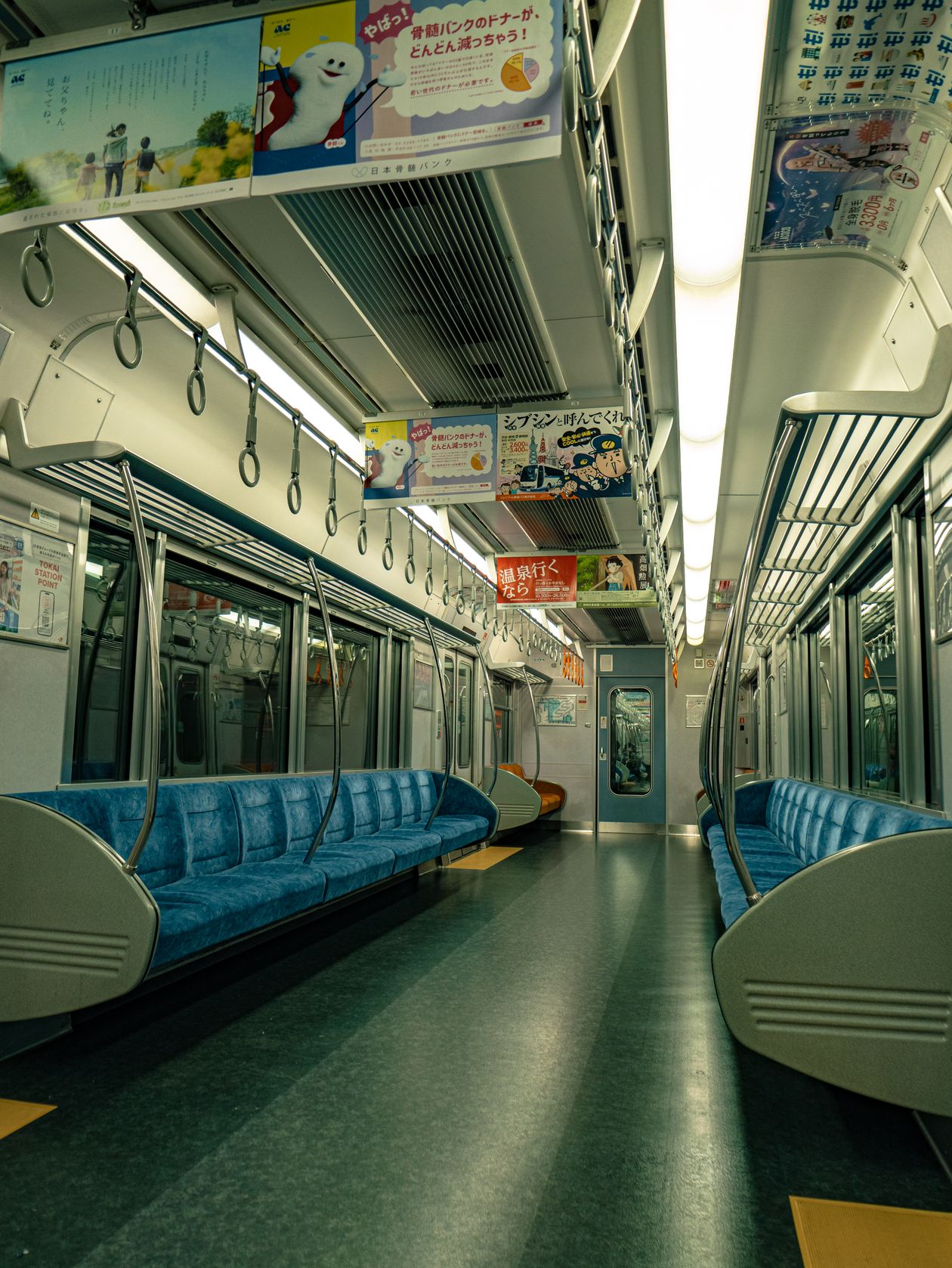
Fares are distance-based, currently ranging from roughly ₹10 for the shortest hops to ₹90 for the longest cross-network journeys, following a fare revision in early 2025. Smart card holders receive a modest discount over token or QR-code fares - worth setting up if you're planning a genuine daily commute rather than occasional use.
No line runs 24 hours. Each line maintains its own weekday, Saturday, and Sunday schedule, generally operating from around 5:00 AM to between 11:00 PM and just past midnight, with Sunday services typically starting later, around 7:00 AM. Schedules have shifted more than once in the past year, so always confirm current timings directly through the BMRCL app rather than relying on any published table, including this one, for exact departure times.
Majestic remains the network's genuine bottleneck during peak hours precisely because it's the only interchange between the two long-operational lines. If your daily route requires switching from Purple to Green Line or vice versa, budget a few extra minutes during the 8 to 10 AM and 6 to 8 PM windows.
Parking availability varies significantly by station - larger hub stations like Yeshwanthpur, Banashankari, and Silk Institute function as genuine park-and-ride points with dedicated facilities, while many of the smaller improve stations along both lines have minimal or no formal parking, expecting most riders to arrive on foot, by two-wheeler, or via feeder bus.
Which Station Actually Matches Your Life
Most metro guides stop at "here's what's nearby." That's only half the question. The real question is: given who you actually are and how you actually live, which of these 86 stations should you be looking at first? Here's an honest matching guide built from two decades of watching which buyers end up happy with their choice and which don't.
The Young IT Professional, First Home or First Serious Rental
If you're 26 to 34, working in tech, single or newly married, and prioritising social life alongside commute, your shortlist should start at BTM Layout, Indiranagar, and Kundalahalli. BTM gives you Koramangala-adjacent nightlife without Koramangala's price tag. Indiranagar gives you the actual nightlife, at a genuine premium, if your budget stretches. Kundalahalli gives you the SAP Labs and broader Whitefield IT-park proximity with a maturity and social infrastructure that newer East Bangalore pockets haven't built yet. Avoid the temptation to buy purely on "walking distance to office" - five years into a career, most people change employers at least once, and a station with broader city access ages better than one built entirely around a single campus.
The Family With School-Age Children
This is where Jayanagar, JP Nagar, and Banashankari truly earn their reputation. Decades of continuous residential demand means these areas have the deepest bench of established schools, pediatric healthcare, and safe, walkable neighbourhood character anywhere in the metro network. Rajajinagar deserves equal consideration and is consistently underrated by families who default to East Bangalore without checking West Bangalore's truly comparable infrastructure. If your budget doesn't stretch to these established cores, Kundalahalli and Brookefield on the Purple Line's eastern belt offer a younger but increasingly credible version of the same proposition - see our full Brookefield locality guide for the specific school and hospital list there.
The NRI Buyer Managing a Property Remotely
Remote property management lives or dies on how easy it is to find reliable tenants, property managers, and maintenance support without being physically present. Whitefield, Electronic City, and the broader Sarjapur Road-adjacent corridor have the deepest, most professionalised rental and property-management ecosystems in the city, precisely because so much of the tenant base is corporate IT employees whose companies already have relocation and housing-support infrastructure built around these zones. Avoid buying purely on emotional pull toward a specific neighbourhood you remember from years ago - the property management infrastructure truly matters more for NRI owners than it does for resident buyers.
The Investor Chasing Rental Yield Over Prestige
If your primary goal is gross rental yield rather than capital prestige, the data consistently points toward Electronic City, the outer Kanakapura Road stretch, and pockets of the Peenya-Dasarahalli belt. Lower entry prices combined with steady, IT-employment-driven or industrial-employment-driven tenant demand produce meaningfully better yield ratios than the prestige addresses, where high capital values compress yield even when absolute rents are higher. This is a genuine trade-off, not a secret - Indiranagar and Jayanagar deliver capital stability and prestige; Electronic City and outer Kanakapura Road deliver cash flow.
The Buyer Betting on the Next Five Years, Not Today
If you have real risk appetite and a genuine 5-to-8-year horizon, the Purple Line's far western stretch (RR Nagar through Challaghatta) and the Blue Line's confirmed North Bangalore corridor around Hebbal and toward the airport represent the two strongest infrastructure-driven appreciation stories currently available with genuine, verifiable construction progress behind them - not just an announcement. Our NRI investment guide covers the North Bangalore airport-corridor thesis in more depth if that's your specific interest.
The Retiree or Semi-Retired Buyer Prioritising Healthcare and Quiet
Sri Sathya Sai Hospital station on the Purple Line and Jayadeva Hospital station on the Yellow Line both sit directly adjacent to truly major, well-regarded medical institutions - not marketing proximity, actual walking-distance hospital access. Pair either with the calmer residential character of nearby Kundalahalli or BTM Layout's quieter interior lanes, and you get a combination of healthcare access and reasonable quiet that's harder to find than it sounds in a city this size.
A Brief, Honest History of How This Network Actually Got Built
It's worth understanding the story here, because it explains a lot about why some corridors feel mature and others feel perpetually "almost there." Namma Metro's first section - Baiyappanahalli to MG Road - opened on 20 October 2011, nearly two decades after Bangalore first seriously discussed a metro system. The Green Line's Nagasandra-to-Silk Institute stretch developed in phases through the 2010s, with the crucial Majestic interchange section requiring some of the earliest tunnel-boring work in South India, using machines nicknamed Kaveri, Krishna, and Godavari for the underground stretch through the city's dense core.
The two extensions that truly transformed the network's usefulness - Whitefield in the east and Challaghatta in the west - both opened in 2023, over a decade after the first section. That gap matters. It means Indiranagar and MG Road have had fifteen years to fully absorb their metro premium into pricing, while Whitefield and Challaghatta are still only three years into that same process. If you're comparing pricing across the network and wondering why some stretches seem "cheap" despite metro access, the honest answer is often simply: they haven't had time yet.
The Yellow Line to Electronic City took even longer relative to its announcement - first proposed years earlier, delayed repeatedly, before finally opening in August 2025. Its full price effect is, as of this guide's publication, still working through the market. Anyone telling you with confidence exactly what Electronic City property "should" cost post-metro is guessing; the real data is barely a year old.
Three Corridors the Metro truly Changed
Numbers and tables only tell part of the story. Some corridors in this network didn't just get cheaper to reach - they changed what kind of place they actually are. Three are worth telling properly.
Whitefield: From Distant Suburb to Self-Contained City
Twenty years ago, Whitefield was where you moved if you wanted space and didn't mind being truly far from everything else in Bangalore. The commute into the city core was long enough that plenty of residents simply stopped making the trip unless they had to. The Purple Line's 2023 extension to Kadugodi didn't just shorten that commute - it connected Whitefield's already-massive IT employment base directly to the rest of the city's social and commercial life for the first time in the area's modern history. The effect has been less "Whitefield got more convenient" and more "Whitefield stopped being a separate place." Malls like Phoenix Marketcity and Forum Value Mall, which already anchored the area's retail identity, suddenly sit within a single connected transit system reaching MG Road, Majestic, and eventually the western extensions too. Locality guides across this corridor - Kundalahalli, Hoodi, Kadugodi - all now discuss metro access as a baseline expectation rather than a future hope, a genuine shift from how these same areas were described even five years ago.
Electronic City: The Traffic Story Everyone in Bangalore Knows
If you've lived in Bangalore any length of time, you have a Hosur Road traffic story. The Silk Board junction alone has been a citywide punchline for well over a decade - a stretch of road so consistently gridlocked that commute times for the same physical distance could vary by an hour or more depending purely on the time you left. The Yellow Line's opening in August 2025 didn't fix Hosur Road itself, but it gave, for the first time, a genuine alternative that bypasses the junction entirely. This matters more than a simple travel-time comparison suggests, because the psychological weight of Bangalore's worst traffic bottleneck had truly suppressed housing demand along parts of this corridor for years - people who could work in Electronic City chose to live elsewhere and endure a punishing reverse commute rather than live adjacent to the very traffic they were trying to avoid. That calculation is now shifting, and the corridor's full price response is, as this guide notes elsewhere, still working itself out.
The Far West: Rediscovering Kengeri and Challaghatta
Kengeri existed as a functioning satellite town long before Bangalore's IT boom - it has its own history, its own commercial character, entirely separate from the tech-corridor identity that defines so much of the rest of the city's growth story. For years, that made it feel disconnected from "modern Bangalore" in a way that had nothing to do with actual distance and everything to do with which direction the city's attention was pointed. The Purple Line's 2023 extension through RR Nagar to Challaghatta has started to reverse that. It's early - the appreciation numbers this guide cites for this stretch, 15 to 21 percent over the past year, reflect a corridor still in the early stages of rediscovery rather than one that has fully arrived. But the direction is clear, and for buyers with genuine patience, this is arguably the most interesting value story anywhere on the operational network today.
Metro Terms Worth Knowing Before You Shop
A short glossary, because brokers and brochures throw these around assuming you already know them.
Interchange station - a station where two or more lines meet, allowing you to switch trains without leaving the paid area. Majestic (Purple ↔ Green), RV Road (Green ↔ Yellow), and eventually MG Road (Purple ↔ Pink) are the network's key interchanges.
improve versus underground - improve stations sit on raised viaducts above street level; underground stations are excavated below it. Underground construction is slower, costlier, and has historically run later than announced across this entire network's history - worth factoring in if you're timing a purchase around an underground station's opening.
DPR (Detailed Project Report) - the formal planning document a metro line must complete and have approved before construction funding is committed. A line "in DPR stage" - like the current Red Line - is truly earlier and less certain than one where tenders have already been issued.
BMRCL - Bangalore Metro Rail Corporation Limited, the state body that owns, builds, and operates Namma Metro. Their official channels are the only fully authoritative source for construction status and opening dates.
Namma Metro Smart Card - the reusable stored-value card that gives frequent riders a modest fare discount over single-journey tokens or QR tickets; worth acquiring if you're evaluating a property specifically for daily-commute convenience.
Value capture / FAR premium - a funding mechanism under consideration by Karnataka's government, where properties along upcoming metro lines could pay a fee to construct additional floors, with proceeds helping fund the line itself. Worth watching if you own or are considering land directly along a confirmed future alignment like Phase 3's corridors.
Due Diligence Checklist Before You Buy Near Any Station
Metro access is one factor in a purchase decision. None of it matters if the underlying property has a documentation problem. Before you commit to any station's corridor, confirm the fundamentals independently of the connectivity story.
Verify the RERA registration directly on the Karnataka RERA portal rather than trusting a developer's claim - check the promoter name, the survey number, and the registered possession date against what you've been told.
Confirm the actual guidance value for the specific street or survey number through our guidance value guide - this tells you the floor your stamp duty will be calculated against, regardless of the negotiated sale price.
Run your total acquisition cost - not just the headline price - through the stamp duty and registration calculator before you finalise a budget against any station's pricing tier in this guide.
Check Khata status - A Khata versus B Khata materially affects both loan eligibility and future resale, and this matters just as much for a property two minutes from a metro entrance as it does anywhere else in the city.
Walk the actual route to the station yourself at the time of day you'd realistically be commuting, rather than trusting a brochure's stated distance or a broker's verbal claim.
Cross-check the specific line's construction status against BMRCL's official channels if you're buying near a station that isn't operational yet - this guide reflects status as of August 2026, and infrastructure timelines in this city have a well-documented history of shifting.
For personalised guidance on any specific station or corridor covered in this guide, OneCity Property offers independent advisory unconnected to any single developer - reach out via WhatsApp or call 7676870876, or email reach@onecityproperty.com.
A Closing Thought
86 stations is a lot of Bangalore to hold in your head at once, and if you've read this far, you now know more about how this network actually maps onto the city's property market than most people who've lived here for years. That's the point of a guide like this - not to tell you where to buy, but to give you enough genuine, specific detail about every stretch of track that when a broker or a brochure makes a claim about a station, you'll know whether it holds up. Bookmark this page. The network keeps growing, and we'll keep it updated as Pink, Blue, and eventually Phase 3 move from lines on a map to places you can actually stand.
Rental Yields Across the Network: Where Cash Flow Actually Works
Capital appreciation gets all the attention in Bangalore property conversations. Rental yield deserves equal airtime, especially for investors who want the property to pay for itself rather than sitting as a pure appreciation bet. Here's how yield truly differs by corridor, based on typical rent-to-price ratios reported across these zones.
| Corridor | Typical Gross Rental Yield | Tenant Profile | Why |
|---|---|---|---|
| Electronic City / Yellow Line south | 4% - 6% | IT employees, frequently company-relocated | Low capital entry price relative to steady employment-driven rent demand |
| Whitefield / Purple Line east | 3% - 4.5% | Senior IT professionals, expats | Higher capital values compress yield even though absolute rents are strong |
| BTM Layout / Yellow Line north | 3.5% - 5% | Young professionals, startup employees | High rental demand but rising capital values from Koramangala-adjacency |
| Outer Kanakapura Road / Green Line south | 4% - 5.5% | Mixed - families, some IT commuters | Low entry price, developing but genuine tenant base |
| Peenya-Dasarahalli belt / Green Line north | 4.5% - 6% | Industrial and warehouse workforce | Very low capital entry against steady, if lower absolute rupee, rent demand |
| Jayanagar / JP Nagar core | 2.5% - 3.5% | Established families, some senior professionals | High capital values from decades of demand compress yield significantly - a pure prestige and stability play |
| Indiranagar | 2% - 3% | High-income young professionals, expats | The city's highest capital values produce its lowest yields - capital appreciation and prestige are the actual return here, not cash flow |
The pattern is consistent across almost every major city in the world, not just Bangalore: the most prestigious addresses deliver the weakest cash-on-cash yield, because everyone already knows they're desirable and has bid the price up accordingly. If someone tells you Indiranagar is a good rental-yield play, they're either misinformed or selling you something.
Common Mistakes Buyers Make on Metro-Adjacent Property
Twenty years of watching people buy near this network teaches you the same handful of mistakes repeat constantly. Worth naming them plainly.
Trusting the brochure's walking distance without verifying it. "5 minutes to the metro" in marketing material can mean 5 minutes if you sprint and cross no traffic lights. Walk the actual route yourself, at a normal pace, during the time of day you'd truly be commuting, before you believe any distance claim.
Assuming every station on a line delivers the same value. As this guide has hopefully made clear, Indiranagar and Baiyappanahalli sit on the same Purple Line, four minutes apart, and could not be more different as addresses. Never evaluate "Purple Line access" as a single, uniform benefit - evaluate the specific station.
Paying a premium for a line that's still in the detailed project report stage. The Red Line is a genuine example right now - geotechnical surveys are real progress, but a DPR still under state assessment means the alignment, the stations, and even the funding structure aren't locked. Paying "Red Line premium" pricing today is paying for a possibility.
Ignoring the difference between improve and underground stations for construction timeline risk. Underground sections consistently run later than improve ones across this entire network's history - the Green Line's original tunnel-boring work, the Pink Line's Phase 2 underground stretch, and historically most of Bangalore's underground metro construction. If a station near your target property is underground and "not yet operational," budget extra patience.
Buying purely on proximity to a single employer's campus. Career changes happen. A property that only makes sense if you keep working at one specific IT park for the next decade is a riskier bet than one with broader city access that would still make sense if your job changes.
Not checking whether the "nearby mall" or "nearby hospital" is actually operational yet. Several developments in Bangalore have historically marketed proximity to retail or healthcare facilities that were themselves still under construction at the time of sale. Verify independently, don't take a sales brochure's word for a neighbouring project's completion status.
Buying by Budget: Mid-Range, Premium, Luxury, and Super-Luxury Across the Network
Pulling every corridor together, here's how the whole network actually sorts by budget tier - useful if you're starting from "how much can I spend" rather than "which station do I like."
| Segment | Typical ₹/sq ft | Where to Look | What You're Actually Buying |
|---|---|---|---|
| Mid-Range | ₹5,500 - ₹9,500 | Electronic City, Bommasandra, Peenya-Dasarahalli belt, Kengeri-Challaghatta stretch, outer Kanakapura Road | Genuine metro connectivity without prestige pricing; the strongest rental-yield-to-price ratios in the network |
| Premium | ₹9,500 - ₹14,000 | BTM Layout, Rajajinagar, Banashankari, Whitefield core, Yeshwanthpur, RR Nagar's better pockets | Established social infrastructure, mature resale markets, solid appreciation history without speculative pricing |
| Luxury | ₹14,000 - ₹18,500 | Jayanagar, JP Nagar core, Kundalahalli, Ulsoor, select Whitefield new launches | Brand-name developer product, full amenity decks, addresses with genuine long-term social cachet |
| Super-Luxury | ₹18,500 - ₹25,000+ | Indiranagar, prime Jayanagar 4th and 7th Block, select central pockets near MG Road | The very top of Bangalore's residential market - scarce inventory, minimal new supply, prices driven by decades of accumulated prestige rather than metro access alone |
Apartments vs Sites and Plots: Where Metro Access Actually Matters More
An honest observation from two decades of doing this: metro proximity affects apartment pricing meaningfully more than it affects plot and site pricing in the outer corridors. Apartment buyers are almost always weighing daily commute time heavily in their decision. Plot buyers - particularly in the far western and southern stretches of this network - are frequently buying for a 5 to 10 year horizon, sometimes to build later, and land appreciation in those corridors is driven as much by overall urban expansion and road infrastructure as by any single metro line.
If plots and sites are your focus rather than apartments, our dedicated plot investment guide and sites-for-sale market overview apply a broader framework that weighs metro access alongside road infrastructure, BDA/BMRDA approval status, and industrial employment growth - all factors that matter more for land than for finished apartments.
The Honest Trade-Off Nobody Puts in Writing
Every station cluster in this guide sits somewhere on a spectrum between "connectivity you're paying full price for today" and "connectivity you're betting will exist tomorrow." The eastern Whitefield belt and the established South Bangalore core are the former - you know exactly what you're getting, and you're paying accordingly. The far western Purple Line extension and the outer Kanakapura Road stretch of the Green Line are closer to the latter - genuine value exists precisely because the market hasn't fully priced in what full corridor maturity will eventually mean.
Neither approach is wrong. It depends entirely on whether you're buying to live in a place that already works for your life today, or buying to capture appreciation on a corridor that's still becoming what it will eventually be. Be honest with yourself about which one you're actually doing - most buyer disappointment in this city comes from thinking you're doing one when you're actually doing the other.
What a 2 BHK and 3 BHK Actually Cost at Key Stations
Averages per square foot are useful for comparison but don't tell you what you'll actually write a cheque for. Here's a rough sense of total pricing for standard configurations at a sample of stations across the tiers, based on typical unit sizes in each corridor.
| Station / Corridor | Typical 2 BHK (~1,100 - 1,200 sq ft) | Typical 3 BHK (~1,500 - 1,700 sq ft) |
|---|---|---|
| Electronic City corridor | ₹65 lakh - ₹90 lakh | ₹90 lakh - ₹1.3 crore |
| BTM Layout | ₹1 crore - ₹1.4 crore | ₹1.4 crore - ₹2 crore |
| Whitefield core | ₹1 crore - ₹1.5 crore | ₹1.5 crore - ₹2.2 crore |
| Rajajinagar / Banashankari | ₹1.1 crore - ₹1.6 crore | ₹1.6 crore - ₹2.3 crore |
| Jayanagar / JP Nagar core | ₹1.6 crore - ₹2.5 crore | ₹2.3 crore - ₹3.5 crore |
| Indiranagar | ₹2.2 crore - ₹3.2 crore | ₹3.2 crore - ₹4.5 crore+ |
Treat every figure in this table as a planning range, not a quote - actual pricing depends heavily on the specific building's age, floor, amenities, and RERA status. Always verify against a live listing and, ideally, a recent comparable transaction before budgeting.
Frequently Asked Questions
How many total stations does Namma Metro have as of 2026?
86 operational stations across three lines - Purple (37), Green (32), and Yellow (16) - with the Pink Line's 18 stations opening in phases through late 2026, and the Blue, Orange, Grey, and Red Lines still under construction or planning.
Which metro station has the most expensive property around it?
Indiranagar on the Purple Line consistently shows the highest pricing in the network, with prime stock reaching ₹22,000 or more per sq ft. Prime Jayanagar on the Green Line runs a close second.
Where is the most affordable metro-connected property in Bangalore right now?
The Purple Line's far western extension (Kengeri through Challaghatta) and the Green Line's northern industrial belt (Peenya through Dasarahalli) both offer truly metro-connected apartment stock under ₹9,000 per sq ft - rare for a fully connected corridor.
Is Electronic City still worth buying into now that the Yellow Line is operational?
Yes, though be realistic about timing - the line opened in August 2025, and much of the price discovery from that connectivity is likely still working through the market rather than fully complete. Electronic City remains Bangalore's most affordable major IT corridor relative to its employment base.
Which upcoming line should I actually pay a premium for today?
Of the four upcoming lines, the Blue Line to the airport has the most concrete progress - over 50 percent physical completion as of mid-2026 with a committed budget and no alignment uncertainty. The Red Line along Sarjapur Road remains truly speculative until its detailed project report clears state assessment.
Do interchange stations like Majestic and MG Road command a price premium?
Majestic itself is almost entirely commercial and institutional, so the interchange effect shows up more in retail and office rents than residential pricing. MG Road will become a genuine second interchange once the Pink Line opens, and the surrounding CBD area already reflects that anticipated connectivity in commercial valuations more than residential ones.
How accurate are the per-station distances developers advertise?
Treat every "walking distance to metro" claim in a brochure with scepticism until you've personally measured it. Station entrances on improve lines can sit several hundred metres from where a project's marketing material implies, and "distance to the metro" sometimes means distance to the line itself rather than to a functioning station entrance.
Should I buy near a station that opened years ago or one still under construction?
Historically, most metro-driven appreciation in Bangalore happens during the construction phase, once an alignment is confirmed - properties near a station that already opened years ago have typically already captured that gain. If you're specifically chasing appreciation rather than buying to live, confirmed-but-not-yet-open corridors like the Blue Line generally offer more room to run than long-operational stretches like central Indiranagar.
Can I use the metro to reach Kempegowda International Airport today?
Not yet. The Blue Line, which will provide the first metro connection to the airport, remains under construction with a target of late 2026 to early 2027. Until it opens, airport travel means BMTC's dedicated Vayu Vajra bus routes or a standard cab.
Which stations are truly walkable versus requiring a two-wheeler or cab?
Stations in the dense central stretch - MG Road, Trinity, Indiranagar, Majestic, Jayanagar - sit within neighbourhoods built for foot traffic, with most daily needs reachable on foot from a well-located property. Stations in the industrial north (Peenya, Dasarahalli) and the far southern and western extensions (Silk Institute, Challaghatta, Bommasandra) more often require a two-wheeler or auto for the final stretch to a specific residential pocket.
Do all metro stations have parking?
No. Larger hub stations like Yeshwanthpur, Banashankari, and Silk Institute have genuine park-and-ride facilities. Many smaller improve stations along both the Purple and Green Lines have minimal or no formal parking, so factor this in if you plan to drive to the station rather than walk or use a feeder service.
Is it worth paying a premium for a station that will become an interchange in the future, like MG Road or Jayadeva Hospital?
truly, yes, more than for most other "coming soon" premiums on this list, because both interchanges are tied to lines with confirmed construction - MG Road to the Pink Line, Jayadeva Hospital to the same. The risk here is meaningfully lower than paying a premium for proximity to the still-unconfirmed Red Line.
How does metro proximity affect resale time, not just price?
Anecdotally and consistently across two decades of brokering these transactions, metro-adjacent properties in established corridors like Indiranagar, Jayanagar, and Whitefield sell measurably faster than comparable properties further from a station, because the pool of interested buyers is simply larger when daily commute friction is lower.
Are there truly affordable options left near any operational station?
Yes - the Purple Line's far western extension (Kengeri through Challaghatta) and the Green Line's northern industrial belt (Peenya through Dasarahalli) both still offer standard apartment stock under ₹9,000 per sq ft with full, current metro access, which is truly rare for a Bangalore corridor with an operational line already running through it.
What's the single biggest thing this guide wants you to remember?
That "near the metro" is not one category of property - it's dozens of truly different micro-markets with different prices, different tenant profiles, different long-term trajectories, and different risk levels depending on whether the line serving them is operational today or still a set of plans on paper. Match the specific station to your specific life, not the network's overall reputation to your general assumptions.
Before You Commit to Any Station's Corridor
Metro proximity is one input into a property decision, not the whole decision. Whatever premium you're weighing for connectivity, run it alongside your actual stamp duty and registration costs, confirm the property's current guidance value, and cross-check the neighbourhood's actual pricing history against our area-wise price guide before assuming a quoted rate truly reflects the metro effect rather than simply tracking a rising government valuation or a broker's optimism.
Expert take - OneCity Property: In twenty years of doing this, the buyers who regret their purchase least are the ones who bought for how they'd actually live, with metro access as a genuine bonus rather than the entire thesis. The buyers who regret it most bought purely on a "the metro is coming" story for a line that was still years from a confirmed alignment. Read every station in this guide with that distinction in mind, and you'll make a better decision than most of the city currently is.
This guide reflects Namma Metro's confirmed network status as of August 2026, based on publicly available BMRCL updates and documented infrastructure reporting. Pricing figures are indicative ranges drawn from market observation across multiple sources and can vary meaningfully by specific project, floor, and configuration - always verify current pricing directly with a project's RERA filing and recent comparable transactions before treating any figure in this guide as a quote.
Featured Projects in This Area
Need expert property advice?
OneCity Property offers independent advisory across Bangalore, Mangalore and Mysore. Zero commission for buyers on projects under ₹1 Cr.
💬 WhatsApp Us📞 Call 7676870876


News insight
 21/09/2026
Begur Bangalore: Locality Guide for Property Buyers and Investors
Explore property prices, residential projects, Electronic City connectivity, schools, hospitals, her...
21/09/2026Hoskote Bangalore: Locality Guide for Property Buyers and Investors
Explore property prices, residential projects, expressway connectivity, Volvo and Narsapura industri...
21/09/2026Anekal Bangalore: Locality Guide for Property Buyers and Investors
Explore property prices, residential projects, cricket stadium impact, metro extension plans, school...